Iran Launches Coordinated Attacks on US Military Bases Across Gulf Region
Published: January 15, 2024
The Islamic Revolutionary Guard Corps (IRGC) has executed a series of retaliatory strikes against multiple US military targets in the Middle East, escalating tensions significantly between the two nations. This development not only carries profound geopolitical and military implications but also highlights the sophisticated technologies employed in modern conflicts.
Escalating Tensions in the Region
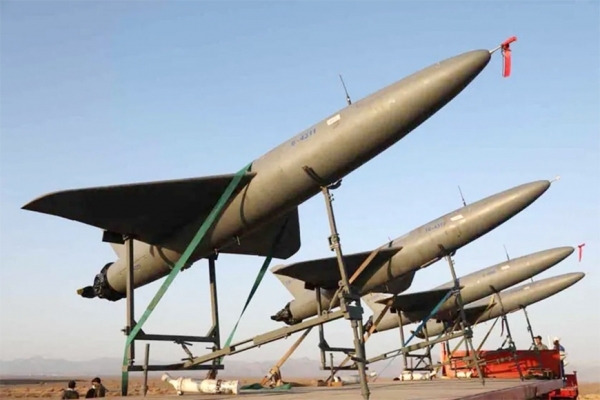
Following the assassination of a high-ranking Iranian official in Damascus, Syria, Tehran authorities declared their intention to carry out retaliatory attacks. According to military sources, Iran utilized both ballistic missiles and unmanned aerial vehicles (UAVs) to strike US military bases in Iraq, Kuwait, and other Gulf nations.
Iran's missile technology has seen remarkable advancements in recent years. Systems such as the Shahed-136 and Fateh-313 are believed to have been deployed in these attacks, capable of evading modern missile defense systems.
Military Technology in the Attacks
Iranian Missile and Drone Technology
Iran has developed a robust domestic defense industry, independently producing various weapon systems. Experts report that Iranian ballistic missiles have a range of up to 2,000 km and can carry diverse warheads. Iranian drones are also highly regarded, featuring extended flight capabilities and high-resolution surveillance cameras.
These technologies enable Iran to conduct precise attacks from safe distances, minimizing the risk of interception by US defensive forces.
US and Allied Defense Systems
In response to the attacks, the US and regional allies have deployed missile defense systems including Patriot, THAAD, and low-tier air defense. These systems utilize advanced radar technology to detect and track targets, coupled with interceptor missiles capable of eliminating airborne threats.
The latest generation of US defense systems integrates artificial intelligence (AI) to analyze data and make faster decisions, enhancing response capabilities to surprise attacks.
| Iran-US Military Technology Comparison | |
|---|---|
| Iran | United States |
| Medium-range ballistic missiles | Multi-layered missile defense systems |
| Medium-range unmanned aerial vehicles | F-35, F-22 stealth fighter jets |
| High-tech self-sufficiency | Global advanced military technology |
| Focus on missiles and drones | Diversified military technology portfolio |
Cybersecurity and Electronic Warfare
Beyond physical attacks, Iran is also believed to have conducted cyber operations against US military infrastructure. cybersecurity experts suggest that Iran possesses capabilities for Distributed Denial of Service (DDoS) attacks, ransomware deployment, and even penetration of critical network systems.
Concurrently, the US has enhanced its electronic warfare capabilities, able to disrupt enemy communications and disable command and control systems. This technology plays a crucial role in modernizing military forces worldwide.
Impact on Energy Technology
Regional tensions in the Gulf significantly impact the energy sector. Energy technology companies are researching renewable energy solutions to reduce dependence on oil from the region.
Energy storage, solar, and wind technologies are rapidly developing, particularly in European nations seeking to diversify energy sources. Major technology companies like Tesla, Siemens, and Vestas are benefiting from this trend.
| Impact on Energy Technology Sector | |
|---|---|
| Short-term Impact | Long-term Impact |
| Significant oil price volatility | Increased investment in renewables |
| Energy security threats | Development of advanced energy storage |
| Rising LNG demand | Enhanced international energy technology collaboration |
Future Outlook
These events demonstrate the growing trend of autonomous military technology development, particularly by Iran. In the future, we can expect advancements in:
- Hypersonic missile technology capable of evading defense systems
- Fully autonomous drones with decision-making capabilities
- AI-powered defense systems for rapid analysis and response
- Advanced cybersecurity technologies to protect critical infrastructure
- Renewable energy to reduce dependence on Gulf region
Nations in the region are also increasing technological defense cooperation to address common security threats. The development of military and cybersecurity technologies will continue to be a focus in national defense policies worldwide.
In an escalating tension environment, the application of advanced military technologies not only transforms the nature of conflict but also creates new challenges for global security and regional stability.
Conclusion
Iran's attacks on US military bases in the Gulf region represent not just a geopolitical and military event but also demonstrate remarkable advancements in military technology. From missiles and drones to cybersecurity, cutting-edge technologies are reshaping conflict in the 21st century.
This situation also underscores the need for enhanced international cooperation on cybersecurity and arms control, particularly as technology evolves rapidly. Global security will increasingly depend on the ability to manage and control advanced military technologies.
#Iran #USA #GulfRegion #MilitaryTechnology #Cybersecurity #Missiles #Drones #RenewableEnergy