Herder 4.0: The Convergence of Tradition and Technology in Modern Agriculture
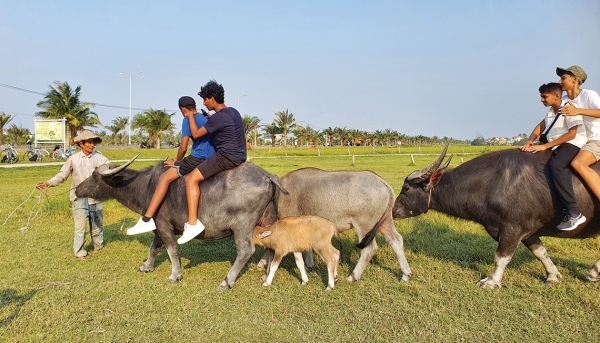
In the context of global digital transformation, Vietnam's agricultural sector is embracing the fourth industrial revolution. The image of the herder walking cattle with a staff across vast green fields has long been an iconic symbol of rural Vietnam. Today, this traditional image is being "technologized," giving rise to the concept of "Herder 4.0" – a harmonious fusion of traditional herding with modern technology.
The Evolution from Traditional Herding to Smart Agriculture
The modern herder is no longer merely someone who tends cattle through experience and understanding of nature. They have transformed into tech-savvy agricultural professionals, utilizing smart devices to manage livestock, monitor animal health, and optimize herding efficiency.
Technology has brought fundamental changes to herding practices:
- Application of IoT (Internet of Things) for tracking animal locations and activities
- Use of drones to monitor pastures and manage grazing areas
- Integration of AI in analyzing health and reproductive data of livestock
- Implementation of blockchain for product traceability
Technological Tools for the Modern Herder
The contemporary Herder 4.0 is equipped with advanced technological tools that enhance productivity and reduce physical labor:
| Technological Tool | Function | Benefits |
|---|---|---|
| GPS Tracking Devices | Real-time positioning, movement tracking | Theft prevention, efficient herd management |
| Smart Surveillance Cameras | 24/7 monitoring, abnormal behavior detection | |
| Farm Management Mobile Apps | ||
| Herding Robots |
Challenges and Opportunities in Technology Implementation
Despite the numerous benefits, integrating technology into traditional herding practices presents several challenges:
- High initial investment costs
- Need for farmer training in technology usage
- Data security and cybersecurity concerns
- Pressure from large-scale industrial farming models
However, these challenges also create significant opportunities:
- Increased productivity and economic efficiency
- Improved product quality and added value
- Reduced environmental impact through efficient resource management
- Development of sustainable, climate-resilient agriculture
The Future of Herder 4.0
The trend toward smart agriculture in Vietnam is becoming increasingly evident. According to forecasts from the Ministry of Agriculture and Rural Development, by 2025, 30% of the total livestock population will be managed using digital technology. This promises a bright future for the Herder 4.0.
The continued development of 5G, AI, and IoT technologies will unlock new possibilities:
- Fully automated herding systems
- Genetic analysis for optimal livestock breeding
- Blockchain technology for product traceability
- Integration of urban agriculture with advanced technology
Conclusion
Herder 4.0 represents not just a blend of tradition and modernity, but a symbol of Vietnam's agricultural innovation in the digital age. By applying technology to traditional herding practices, farmers enhance economic efficiency while preserving rural cultural identity.
The image of the herder walking cattle across green fields while monitoring the herd via smartphone will become a new symbol of Vietnamese agriculture – a place where tradition and modernity harmonize, creating new vitality for rural communities in the digital era.