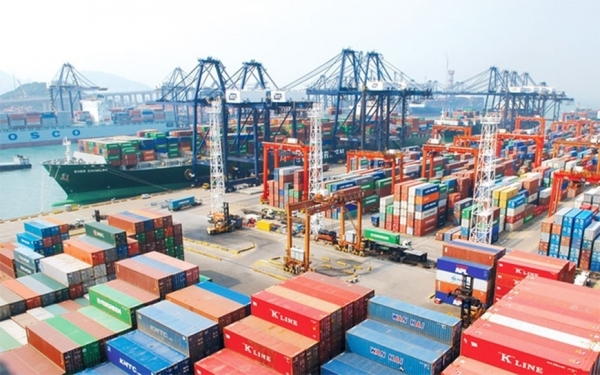
Economic News Update: Seven Key Strategic Solutions to Drive Export Growth
In an era of increasing global economic volatility, Vietnam continues to implement strategic policies aimed at fostering economic growth and enhancing national competitiveness. The following represents significant economic developments and policy announcements from June 25th, highlighting Vietnam's proactive approach to navigating current challenges and positioning itself for sustainable development.
The Rise of Smart Energy Markets: An Inevitable Transformation
Vietnam is currently undergoing a profound energy transformation, actively developing a comprehensive smart energy market infrastructure. This strategic shift not only addresses the growing demand for clean energy but also aligns with the nation's broader sustainability objectives and climate commitments.
Industry experts emphasize that smart energy markets will optimize energy utilization, minimize waste, and enhance transmission efficiency. Furthermore, the digital transformation of energy management systems is creating new opportunities for businesses and consumers alike. The integration of Internet of Things (IoT), artificial intelligence, and big data analytics into energy infrastructure enables real-time monitoring, predictive maintenance, and demand-side management, positioning Vietnam as a regional leader in energy innovation.
Seven Strategic Solutions to Accelerate Export Performance
Vietnam's Ministry of Industry and Trade has recently unveiled seven strategic initiatives designed to boost export performance and strengthen the international competitiveness of Vietnamese products. These comprehensive measures are expected to address current challenges while capitalizing on emerging opportunities in global markets.
| No. | Strategic Solution | Primary Objectives |
|---|---|---|
| 1 | Institutional and Policy Framework Enhancement | Create a favorable business environment and streamline administrative procedures |
| 2 | Logistics Infrastructure Development | Reduce transportation costs and increase delivery speed through modern infrastructure |
| 3 | High-Quality Workforce Development | Enhance enterprise competitiveness through skilled human capital |
| 4 | Technology Application Promotion | Improve productivity and product quality through digital transformation |
| 5 | Market Expansion and Diversification | Reduce dependency on traditional markets and explore new export destinations |
| 6 | Supporting Industry Development | Increase localization rates and reduce import dependency |
| 7 | Market Information System Improvement | Provide timely data and market intelligence for business decision-making |
Mr. Nguyen Van Loc, a renowned economic expert, commented on these initiatives: "These seven strategic solutions will provide the necessary momentum for Vietnam's export activities in the context of increasingly fierce global competition. However, for these measures to achieve maximum effectiveness, we need synchronized implementation across all ministries and sectors, coupled with decisive participation from the business community."
Comprehensive Implementation Framework
The export strategy includes detailed action plans with specific timelines and performance indicators. Each solution has been assigned lead agencies with clear responsibilities and coordination mechanisms to ensure effective implementation. The government has also established a monitoring and evaluation system to track progress and make necessary adjustments.
Workforce Development in Railway Sector: Training 35,000 Professionals by 2030
The Ministry of Transport has recently approved a comprehensive workforce development plan for the railway sector, targeting the training of at least 35,000 technical professionals by 2030. This initiative aims to address the human resource gap in Vietnam's rapidly modernizing railway infrastructure.
The plan focuses on critical occupational areas including: locomotive operation, railway engineering, rolling stock technology, signal and communication systems, railway electrification, railway transportation management, and railway safety. This comprehensive approach ensures that all aspects of railway operations will be supported by qualified personnel capable of meeting international standards.
Mr. Tran Minh Hung, Director of the Vocational Training Department (Ministry of Labor, Invalids and Social Affairs), stated: "To achieve this ambitious target, we will collaborate with vocational training institutions and railway enterprises to develop updated curricula that incorporate the latest technological advancements. We will also strengthen practical training components through partnerships with industry leaders to ensure graduates possess job-ready skills."
Public-Private Partnership Model
The implementation will leverage a public-private partnership model, with railway companies providing hands-on training facilities and experienced instructors while educational institutions contribute academic expertise and research capabilities. This approach ensures that training programs remain relevant to industry needs while maintaining academic rigor.
New Fertilizer Management Regulations Effective July 1st
Effective July 1, 2023, new regulations governing fertilizer management will come into force, aimed at enhancing product quality, environmental protection, and consumer health. These comprehensive regulations represent a significant step toward modernizing Vietnam's agricultural input sector and aligning with international best practices.
| Regulation Focus | Effective Date | Significance |
|---|---|---|
| Fertilizer Labeling Requirements | July 1, 2023 | Enhance product transparency, enabling informed purchasing decisions |
| New Fertilizer Registration Process | July 1, 2023 | Ensure quality standards for both imported and domestically produced fertilizers |
| Quality Control and Inspection Protocols | July 1, 2023 | Prevent substandard and counterfeit fertilizers from entering the market |
According to the Ministry of Agriculture and Rural Development, these new regulations will contribute to the sustainable development of the fertilizer sector, improve fertilizer use efficiency, and minimize environmental impact. The regulations also include provisions for digital traceability systems, allowing consumers and authorities to verify product authenticity and quality throughout the supply chain.
Environmental and Economic Benefits
The environmental benefits of these regulations include reduced water pollution from nutrient runoff, decreased greenhouse gas emissions from over-application of fertilizers, and improved soil health. Economically, the measures are expected to increase farmer productivity through more efficient fertilizer use, reduce input costs in the long term, and enhance the competitiveness of Vietnamese agricultural products in international markets.
Broader Economic Context and Policy Coordination
The recent policy announcements reflect Vietnam's comprehensive approach to economic development, addressing both immediate challenges and long-term structural needs. The government's coordinated strategy spans multiple sectors, from energy and exports to transportation and agriculture, creating a synergistic effect that amplifies the impact of individual initiatives.
Economic analysts note that these policies align with Vietnam's broader development goals, including its commitments under the Paris Agreement, its ambitions to become a high-income country by 2045, and its efforts to integrate deeper into global value chains. The emphasis on digital transformation across all sectors—from smart energy to export promotion—demonstrates a forward-looking approach to economic development.
Challenges and Implementation Considerations
Despite the comprehensive nature of these policies, several challenges remain. Implementation capacity across different regions varies significantly, with northern provinces generally demonstrating stronger institutional capacity than southern regions. Additionally, the business community—particularly small and medium enterprises—may face challenges in adapting to new requirements, especially in areas requiring technological upgrades.
To address these challenges, the government has established implementation support mechanisms, including financial incentives for technology adoption, capacity building programs for local officials, and business advisory services. These support measures are designed to ensure that the benefits of new policies are widely distributed across regions and enterprise sizes.
Conclusion: Toward a Competitive and Sustainable Future
The recent policy initiatives demonstrate Vietnam's commitment to economic resilience, competitiveness, and sustainable development. The development of smart energy markets, export promotion strategies, railway workforce development, and enhanced fertilizer management collectively form a comprehensive framework for economic advancement.
These policies not only address immediate economic challenges but also position Vietnam for long-term success in an increasingly competitive global environment. The emphasis on technology adoption, human capital development, and sustainable practices reflects a holistic approach to economic development that balances growth with environmental and social considerations.
However, the successful implementation of these policies will require decisive action from all stakeholders—government agencies at central and local levels, the business community, educational institutions, and civil society. The effectiveness of these measures will ultimately depend on the quality of coordination, the flexibility of implementation, and the commitment to continuous improvement based on monitoring and evaluation results.
As Vietnam continues to navigate global economic uncertainties, these strategic initiatives represent a proactive approach to building a more resilient, competitive, and sustainable economy capable of seizing emerging opportunities while mitigating potential risks.
#economic_news #smart_energy_market #export_growth #railway_workforce #fertilizer_management