Vietnam Expresses Readiness to Support Venezuela in Post-Disaster Recovery
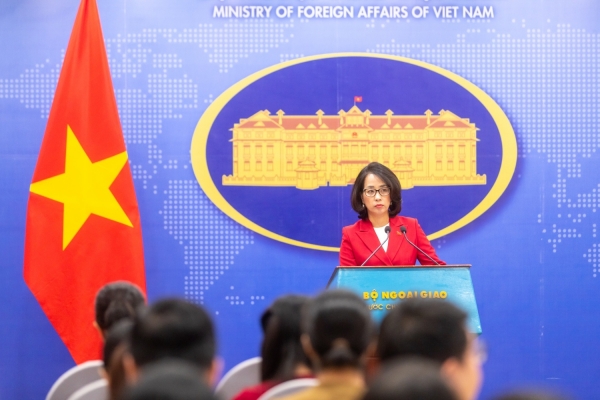
In a significant display of international solidarity, Vietnam has formally extended its support to Venezuela following the devastating earthquake that struck the South American nation on June 25, 2023. The announcement came during a regular press briefing at the Ministry of Foreign Affairs, where spokesperson Pham Thu Hang conveyed the deep concern and willingness to assist from the leadership of the Communist Party of Vietnam, the State, and the Ministry of Foreign Affairs.
The expression of support reflects Vietnam's commitment to humanitarian principles and international cooperation in times of crisis. The Vietnamese government has emphasized its readiness to provide both humanitarian assistance and material support to help the Venezuelan people recover from the aftermath of the natural disaster.
Devastating Earthquake Strikes Venezuela
A powerful earthquake measuring 6.5 on the Richter scale struck Venezuela on June 25, 2023, causing significant damage to infrastructure and disrupting the lives of countless citizens. The tremor, which occurred in the afternoon local time, resulted in numerous buildings being damaged or destroyed, leaving many families homeless and vulnerable.
Initial reports from the region indicate widespread structural damage to residential buildings, public infrastructure, and critical facilities. The earthquake's impact has been particularly severe in densely populated areas, where building codes may not fully account for seismic risks. Emergency response teams have been deployed to assess the full extent of the damage and coordinate rescue and relief operations.
| Aspect | Details |
|---|---|
| Date of Occurrence | June 25, 2023 |
| Magnitude | 6.5 on the Richter scale |
| Impact | Significant structural damage, displacement of residents, disruption of services |
| Affected Regions | Primarily urban centers in northern Venezuela |
| Current Status | Emergency response ongoing, damage assessment in progress |
Vietnam's Official Commitment to Humanitarian Assistance
During the press briefing, spokesperson Pham Thu Hang articulated Vietnam's official position on the disaster and the country's willingness to assist. "The Party, State, and people of Vietnam express our deep sympathy for the losses and difficulties faced by the Venezuelan people following the earthquake," stated Hang. "Vietnam stands ready to provide appropriate humanitarian assistance and material support to help Venezuela overcome the consequences of this natural disaster."
This commitment reflects Vietnam's established approach to international disaster relief, which prioritizes timely and effective assistance to affected nations. The Vietnamese government has indicated that it is prepared to deploy emergency response teams, provide medical supplies, and offer technical expertise in disaster recovery and reconstruction.
Historical Context of Vietnam's International Disaster Relief
Vietnam has a long-standing tradition of participating in international humanitarian efforts. The country has previously extended assistance to numerous nations affected by natural disasters, including earthquakes, typhoons, and floods. This commitment aligns with Vietnam's foreign policy principles of cooperation, mutual assistance, and solidarity with the international community.
In recent years, Vietnam has actively participated in regional and global disaster response mechanisms, contributing both financial resources and personnel to relief operations. The country's experience in disaster management, developed through its own frequent exposure to natural hazards, has positioned it as a valuable partner in international relief efforts.
Vietnam-Venezuela Relations and Current Cooperation
The offer of assistance to Venezuela occurs within the context of existing bilateral relations between the two countries. Vietnam and Venezuela established diplomatic relations in 1974, and over the past decades, cooperation has expanded across various sectors, including trade, energy, agriculture, and education.
Bilateral relations have been characterized by mutual respect and shared interests in multilateral forums. Both countries are members of various international organizations and have collaborated on issues of common concern, including sustainable development and climate change adaptation.
| Area of Cooperation | Current Status |
|---|---|
| Diplomatic Relations | Established in 1974, maintained through regular high-level exchanges |
| Trade | Modest but growing, with potential for expansion in various sectors |
| Energy | Technical cooperation in oil and renewable energy sectors |
| Agriculture | Knowledge sharing and technical assistance programs |
| Education | Scholarship programs and academic exchanges |
Significance of the Humanitarian Gesture
Vietnam's offer of assistance to Venezuela carries significant humanitarian, diplomatic, and symbolic importance. On a humanitarian level, it demonstrates a commitment to alleviating human suffering regardless of geographical or political considerations. The assistance will provide immediate relief to affected communities and contribute to long-term recovery efforts.
Diplomatically, the gesture reinforces Vietnam's image as a responsible and compassionate member of the international community. It aligns with the country's foreign policy objectives of promoting peace, stability, and cooperation among nations.
Symbolically, the offer of assistance reflects the universal human principle of solidarity in times of crisis. It underscores the interconnectedness of global communities and the shared responsibility to support one another when facing natural disasters and other challenges.
Implementation of Support and Expected Outcomes
While specific details of the assistance package are still being finalized, Vietnam has indicated that it will prioritize the most urgent needs identified by Venezuelan authorities. The support is expected to include emergency medical supplies, temporary shelter materials, food and water purification systems, and technical expertise in damage assessment and reconstruction planning.
The implementation of support will be coordinated through diplomatic channels and in consultation with relevant international organizations, including the United Nations Office for the Coordination of Humanitarian Affairs (OCHA) and the Pan American Health Organization (PAHO). This approach ensures that assistance is delivered effectively and in alignment with broader international relief efforts.
Broader Implications for International Cooperation
Vietnam's response to the Venezuelan earthquake highlights the importance of international cooperation in addressing global challenges. Natural disasters transcend national boundaries, requiring coordinated and collaborative responses that leverage the resources and expertise of multiple nations.
In an era of increasing climate variability and extreme weather events, the frequency and intensity of natural disasters are expected to rise. This underscores the need for robust international frameworks for disaster response and recovery, as well as the importance of building resilient communities that can withstand and quickly recover from such events.
Conclusion: A Testament to International Solidarity
Vietnam's expression of readiness to support Venezuela in the aftermath of the earthquake serves as a powerful testament to the enduring principles of international solidarity and humanitarian assistance. The gesture reflects Vietnam's commitment to global cooperation and its recognition that in an interconnected world, the well-being of one nation is inextricably linked to the well-being of others.
As the Venezuelan people begin the long process of recovery and reconstruction, the support offered by Vietnam and other international partners will play a crucial role in alleviating suffering and rebuilding communities. This assistance not only addresses immediate needs but also contributes to the long-term resilience and development of affected regions.
The situation in Venezuela also serves as a reminder of the importance of disaster preparedness and risk reduction measures. As countries worldwide confront increasing natural hazards, investing in early warning systems, resilient infrastructure, and comprehensive disaster management strategies becomes ever more critical.
In conclusion, Vietnam's response to the Venezuelan earthquake exemplifies the best of international cooperation—prompt, compassionate, and committed to addressing both immediate needs and long-term recovery. As the global community continues to face complex challenges, such solidarity and cooperation will remain essential to building a safer, more resilient world for all.