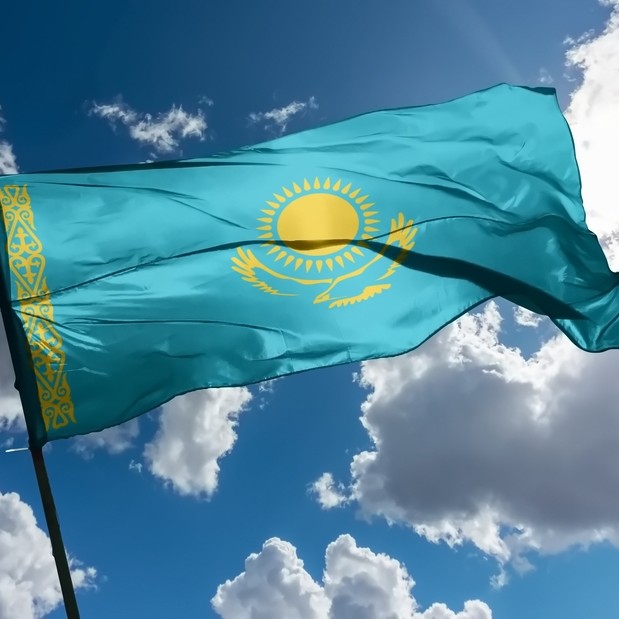
Kazakhstan's Historic $12 Billion Partnership with EU: Expanding Energy and Trade Relations
In a landmark diplomatic and economic engagement, President Kassym-Jomart Tokayev of Kazakhstan concluded a highly successful visit to the European Union headquarters in Brussels, securing agreements and memorandums of understanding (MoUs) valued at over $12 billion. Among these, the most significant was a landmark agreement to purchase 50 Airbus passenger aircraft valued at €7.1 billion, marking a new era in Kazakhstan's aviation capabilities and its strategic economic alignment with European partners.
Diplomatic Engagements and Strategic Discussions
President Tokayev's visit, which concluded on June 23, focused on developing trade links for the Central Asia Corridor within the framework of the EU's Global Gateway initiative. The Kazakh delegation engaged in pivotal discussions with several high-ranking EU officials, including:
- EU Commissioner for Trade and Economic Security Maro efovi
- EU Special Representative for Central Asia Eduards Stiprais
- Vice President of the European Investment Bank Marek Mora
These discussions spanned multiple dimensions of cooperation, from energy security to strategic infrastructure development, positioning Kazakhstan as a critical partner in Europe's economic diversification efforts.
The Caspian Transit Corridor: A Strategic Imperative
The joint communiqué issued following the visit emphasized "the strategic importance of the International Caspian Transit Corridor." This acknowledgment signals a significant shift in European thinking regarding alternative trade routes that bypass traditional pathways, potentially reducing dependency on established transit routes through neighboring regions.
The communiqué further highlighted that both Kazakhstan and the EU "affirmed the importance of cooperation in critical raw materials and expressed their commitment to implement the Roadmap for the implementation of the strategic partnership between Kazakhstan and the European Union on sustainable raw materials, batteries and the creation of green hydrogen value chains."
Energy Cooperation: Diversification and New Discoveries
A central theme of the discussions was the expansion of energy cooperation between Kazakhstan and the EU, aimed at reducing European dependence on Russian energy supplies. This initiative has gained renewed urgency following recent geopolitical developments that have disrupted traditional energy supply routes.
European officials reportedly explored the possibility of Kazakhstan's participation in the long-planned Caspian Pipeline project. This initiative has gained potential viability following Kazakhstan's recent announcement of significant oil and natural gas discoveries in the Ustyurt Plateau. Should these reserves be confirmed and developed, they could make the Caspian transit route economically feasible—a prospect that would revolutionize energy export dynamics for the region.
Currently, the majority of Kazakhstan's oil exports are transported through Russian territory, creating both economic and strategic dependencies that both Astana and Brussels seek to diversify.
Kazakhstan's Energy Role in the European Market
The EU formally acknowledged "Kazakhstan's role as an important supplier of oil and uranium to Europe and the potential for closer cooperation in the field of renewable energy and peaceful use of nuclear energy," as stated in the joint communiqué. This recognition positions Kazakhstan not just as a current supplier but as a potential long-term partner in Europe's energy transition strategy.
Kazakhstan possesses approximately 15% of the world's uranium reserves and has been supplying nuclear fuel to European countries for decades. The country has also been developing its renewable energy potential, particularly in solar and wind power, which could further enhance its energy partnership with the EU.
The Orion Initiative: Critical Minerals and Geopolitical Strategy
Parallel to the EU-Kazakhstan discussions, significant developments were occurring in the critical minerals sector. According to Reuters, a U.S.-backed investment consortium known as the Orion Critical Mineral Consortium is seeking to raise $20 billion to develop a "chain of opportunity" across Asia for critical mineral exports.
This strategic initiative aims to diminish China's dominance in the supply of numerous critical minerals and ensure reliable access for the U.S. and EU to essential materials that underpin modern economies, including copper, lithium, and rare earth elements. Kazakhstan and Uzbekistan were specifically highlighted as regions of particular interest for this alliance.
The implementation of Orion's vision would require approximately $2.4 trillion in investment over the next 25 years, according to company officials. The consortium's activities are supported by the U.S. International Development Finance Corporation and Abu Dhabi's sovereign wealth fund, indicating substantial international backing for this ambitious undertaking.
| Agreement Category | Value (USD) |
|---|---|
| Airbus Passenger Aircraft Purchase | €7.1 billion (approximately $7.7 billion) |
| Total Potential Value of EU-Kazakhstan Agreements | $12 billion |
| Orion Critical Mineral Consortium Target Investment | $2.4 trillion (25-year projection) |
| Orion Initial Funding Target | $20 billion |
Strategic Implications and Future Trajectories
President Tokayev's visit to Brussels represents more than a series of bilateral agreements; it signifies a strategic realignment in Central Asia's international relationships. Kazakhstan's positioning as a bridge between Europe and Asia, coupled with its vast natural resources and strategic location, places it in an increasingly influential position in global economic and energy diplomacy.
The agreements reached during this visit have multifaceted implications:
- Economic Diversification: The substantial investments in aviation and infrastructure will contribute to Kazakhstan's economic diversification away from its traditional reliance on hydrocarbon exports.
- Energy Security: The development of alternative transit routes and energy partnerships enhances both European energy security and Kazakhstan's market access.
- Technological Transfer: Partnerships with European aerospace and technology companies facilitate knowledge transfer and capacity building in Kazakhstan.
- Geopolitical Balance: Kazakhstan's engagement with both European and American initiatives represents a careful balancing act in its foreign policy, maintaining relationships with multiple global powers.
Conclusion: A New Chapter in Eurasian Relations
The successful conclusion of President Tokayev's visit to Brussels and the substantial agreements reached mark the beginning of a new chapter in Eurasian relations. The $12 billion in potential partnerships, combined with the strategic initiatives in energy and critical minerals, position Kazakhstan as an increasingly important player in the global economic landscape.
As the world navigates complex geopolitical shifts and transitions toward sustainable energy systems, Kazakhstan's unique combination of resources, strategic positioning, and diplomatic engagement offers significant opportunities for international cooperation. The agreements reached during this visit not only benefit the immediate economic interests of Kazakhstan and the EU but also contribute to broader global efforts toward energy security, economic diversification, and sustainable development.
The coming years will be crucial in implementing these agreements and realizing their full potential. However, the foundation laid during President Tokayev's historic visit to Brussels provides a strong basis for a deeper, more comprehensive partnership between Kazakhstan and the European Union in the decades ahead.