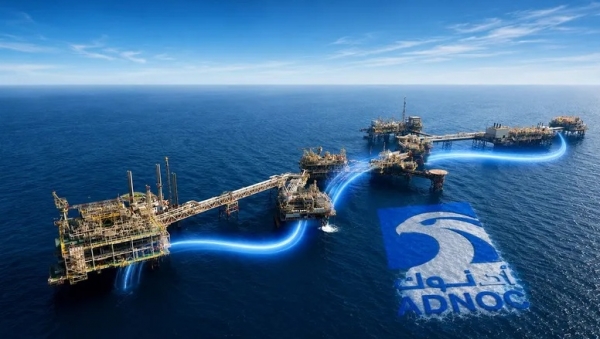
UAE's Energy Model Transformation: From Oil to a Sustainable Future
In recent decades, the economic growth of Gulf nations, particularly the United Arab Emirates (UAE), has primarily relied on the extraction and export of crude oil. However, in the context of climate change and shifting global energy demands, this model is undergoing a historic transformation. The UAE's strategic pivot toward renewable energy sources represents one of the most significant energy transitions in the modern era, positioning the nation as a forward-thinking leader in sustainable development.
Background: The Era of Oil Dependence
The UAE, with its abundant oil and natural gas reserves, built its economy around these natural resources for decades. Oil has accounted for the majority of the country's export revenue and GDP, fueling rapid development and modernization. This wealth from oil has enabled the UAE to develop world-class infrastructure, from the skyscrapers of Dubai to the meticulously planned cities of Abu Dhabi.
However, this dependence on non-renewable energy resources has presented numerous challenges:
- Economic instability due to oil price volatility
- Environmental impacts from fossil fuel combustion
- Finite resource availability in the long term
- International pressure to reduce greenhouse gas emissions
Drivers of the Energy Transition
The shift in the UAE's energy model is driven by multiple interconnected factors:
1. Economic Diversification Strategy
The UAE government recognizes the necessity of reducing dependence on oil and building a more diverse, sustainable economy. This aligns with the "UAE Vision 2071" - a long-term strategy aimed at establishing the UAE among the world's best nations across all sectors. The energy transition is a cornerstone of this vision, creating new economic opportunities beyond the hydrocarbon sector.
2. Climate Change and International Commitments
The UAE has demonstrated strong commitment to global climate agreements, including the Paris Agreement on Climate Change. The nation has set ambitious targets to reduce emissions and increase renewable energy usage, contributing to global efforts against climate change. This commitment is further evidenced by its selection to host COP28 in 2023.
3. Global Energy Trends
Worldwide, there is a growing shift toward clean and renewable energy sources. The UAE aims to be at the forefront of this energy transformation rather than remaining merely a traditional energy supplier. This strategic positioning allows the country to leverage its financial resources and technical expertise to become a global hub for clean energy innovation and deployment.
UAE's Renewable Energy Strategy
The UAE has implemented numerous large-scale initiatives to promote renewable energy, particularly solar and wind power, positioning itself as a leader in clean energy adoption.
Noor Abu Dhabi Project - One of the World's Largest Solar Power Plants
Completed in 2019, the Noor Abu Dhabi project has a capacity of 1.17 GW and can power 90,000 homes. Using concentrated solar power (CSP) technology, this project can continue generating electricity even when the sun is not shining directly. The project represents a significant step in the UAE's renewable energy journey and demonstrates the country's capability to implement large-scale clean energy projects.
Masdar City - A Model for Sustainable Urban Development
Masdar City in Abu Dhabi was designed to become the world's first sustainable city, operating without fossil fuels and producing zero carbon emissions. The city utilizes solar energy, wind power, and other high-efficiency technologies to create a model for future urban development. It also serves as a hub for clean technology companies and research institutions.
UAE Clean Energy Strategy 2050
This comprehensive strategy aims to increase the clean energy contribution to the UAE's total power output to 50% by 2050, while simultaneously reducing carbon emissions. The strategy also targets a 40% reduction in energy consumption compared to projected business-as-usual levels. These ambitious goals reflect the UAE's commitment to leading the region in clean energy adoption.
Investment in Green Hydrogen Technology
The UAE is making substantial investments in green hydrogen technology, a clean energy source with the potential to replace fossil fuels across various sectors. The country has established ADNOC Hydrogen to promote the development of green hydrogen, positioning itself as a potential leader in this emerging energy sector. The UAE's strategic location and abundant solar resources make it an ideal location for green hydrogen production.
Economic and Environmental Impacts
The transition to renewable energy is yielding significant benefits for the UAE across multiple dimensions:
| Economic Impacts | Environmental Impacts |
|---|---|
| Creation of new jobs in the clean technology sector | Reduction in greenhouse gas emissions |
| Attraction of foreign investment in clean energy | Improved air quality and reduced pollution |
| Development of high-technology industries | Conservation of natural resources |
| Enhanced global standing in the clean energy sector | Contribution to sustainable development goals |
Future Vision
The UAE aims to become a global leader in clean energy, leveraging its financial resources, strategic location, and political will to drive innovation and deployment of renewable technologies. The country has established several research centers and innovation hubs dedicated to advancing clean energy technologies, ensuring its position at the forefront of the energy transition.
Additionally, the UAE is developing educational initiatives and training programs to build a highly skilled workforce for the clean energy sector, ensuring sustainable development for generations to come. These efforts include partnerships with international universities and research institutions to foster knowledge transfer and innovation.
The Role of COP28
The UAE's hosting of the Conference of the Parties (COP28) in 2023 underscores its strong commitment to driving global climate action and the transition to clean energy. This international platform provides an opportunity for the UAE to showcase its renewable energy achievements and facilitate global cooperation on climate change mitigation and adaptation strategies.
Conclusion
The UAE's transition from an oil-based energy model to renewable energy represents a strategic move that demonstrates long-term vision and commitment to sustainable development. By investing in clean technologies, developing human capital, and fostering international cooperation, the UAE is positioning itself not only as an energy provider but as a global leader in the energy revolution.
This transformation not only helps the UAE reduce its dependence on oil but also opens new economic opportunities, contributes to global efforts against climate change, and creates a sustainable future for future generations. The UAE's journey serves as an inspiring example for other resource-rich nations seeking to navigate the challenges of the 21st century energy landscape.