Black Sea Oil Export Disruption: Russia Loses Key Export Terminal
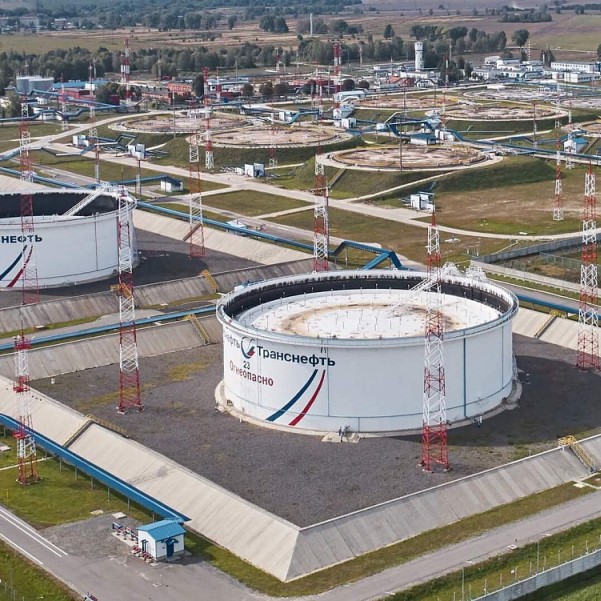
The largest Russian oil export terminal on the Black Sea has ceased operations just days after drone attacks forced the closure of the Caspian Pipeline Consortium (CPC) terminal, further tightening a crucial artery for crude oil transportation to global markets.
Sheskharis Terminal Goes Silent
The Sheskharis terminal in Novorossiysk has not loaded any tankers since July 21, according to data from Bloomberg. In the first half of this year, Sheskharis was exporting an average of approximately 650,000 barrels of oil per day.
The loss of these barrels, even temporarily, comes against the backdrop of disruptions at the CPC - a pipeline that typically handles over 80% of Kazakhstan's oil exports and about 2% of global oil supply.
Strategic Location
These two terminals are located just miles apart and together form one of the most important oil export hubs on the Black Sea. The disruption at these two strategic infrastructure sites is causing significant repercussions even upstream.
| Terminal | Location | Export Volume | Significance |
|---|---|---|---|
| Sheskharis | Novorossiysk, Russia | 650,000 barrels/day | Primary Russian oil export route via Black Sea |
| CPC | Near Novorossiysk | 1.5 million barrels/day | Handles >80% of Kazakhstan's oil exports, ~2% of global supply |
Impact on Oil Production
Kazakhstan has reduced oil production this week following the CPC's suspension of tanker loading. Production at Chevron's massive Tengiz field has reportedly been cut by more than half due to storage tanks being full and producers being forced to reduce pipeline flows.
If Sheskharis remains offline, another major export route will vanish from an already tight market.
Expanding the Attack Front
Ukraine has expanded its drone attacks beyond refineries and storage facilities to commercial shipping and export infrastructure in the Black Sea and Sea of Azov. In response, Russia has warned vessels operating in its Black Sea economic zone that maritime navigation is no longer considered safe due to threats from aerial and maritime drones.
Oil Market Response
The market is running out of places to absorb supply disruptions. Brent crude has climbed above $100 this week as tensions around the Strait of Hormuz and Houthi attacks in the Red Sea threaten exports from the Gulf.
Now, the Black Sea is becoming a source of lost barrels rather than an alternative supply source.
| Factor | Current Situation | Market Impact |
|---|---|---|
| Strategic reserves | Drawn down for months | Reduced safety buffer |
| Commercial inventories | Sharp decline | Reduced ability to absorb supply |
| Refining margins | Still elevated | Tightening diesel supply |
Future Outlook
This summer's oil market began with concerns about supply surpluses, but ends July with another export terminal going silent. The dual disruption in the Black Sea is exacerbating global supply shortages, while alternatives remain limited.
The maintenance of oil export infrastructure will be a critical factor in stabilizing the energy market in the coming months, particularly as geopolitical tensions continue to unfold in major global oil-producing regions.
Hashtag: #CrudeOil #OilMarket #Russia #Kazakhstan #Ukraine #BlackSea #OilExports