Middle East Tensions Escalate: President Trump Warns of Severe Military Consequences for Iran
In an escalating climate of Middle Eastern tensions, on July 24th, President Donald Trump issued a stern warning to Iran, threatening to impose "severe military punishment" if Tehran continues its destabilizing activities in the region. This statement has heightened concerns about a potential military conflict between these two powerful nations.
Escalating Tensions in the Middle East
Relations between the United States and Iran have been strained since President Trump unilaterally withdrew the U.S. from the Iran Nuclear Deal (JCPOA) in 2018 and reimposed economic sanctions. However, the situation has become particularly sensitive in recent weeks following a series of events:
- Iran accused the U.S. of violating the nuclear non-proliferation agreement
- The deployment of additional U.S. troops and military equipment to the Middle East
- Tehran's announcement to exceed uranium enrichment limits
- The Iranian military shooting down an American drone aircraft
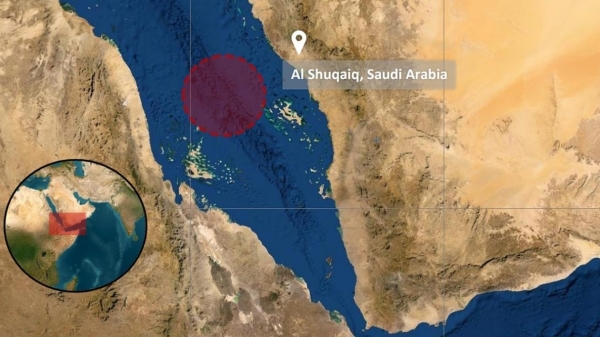
- Drone attacks on Saudi Arabian oil facilities
President Trump's Warning
In a message posted on Twitter, President Trump wrote: "Iran has just announced that they have a nuclear weapon. They can never have a nuclear weapon, and if they attempt to develop one, they will face consequences the likes of which few throughout history have ever experienced."
The President also emphasized that the United States is not seeking conflict but will "protect our own interests and those of our allies." This threat comes just days after the U.S. deployed an additional 500 Marines and fighter jets to the Middle East.
Iran's Response
Iran responded immediately. Foreign Minister Mohammad Javad Zarif described President Trump's threat as "belligerent" and "reflecting desperation." He affirmed that Iran does not seek conflict but will not tolerate "provocation" from Washington.
Tehran also reiterated that its nuclear measures are entirely peaceful and emphasized that Iran has the right to develop its nuclear program according to regulations set by the International Atomic Energy Agency (IAEA).
International Community's Perspective
European nations, including the United Kingdom, France, and Germany, have called for restraint from both parties. In a joint statement, these nations expressed "deep concern" about the situation and called for dialogue.
Russia and China, both of which continue to support the nuclear deal, strongly condemned U.S. actions and called for maintaining the current agreement.
The United Nations has also expressed concern about the escalating situation and urged all parties to exercise restraint and avoid actions that could further exacerbate tensions.
Economic and Energy Impacts
The escalating tensions in the Middle East have significantly impacted the global energy market. Oil prices have risen considerably in the past week due to concerns about regional supply disruptions.
| Oil Type | Price (USD/barrel) | Change (%) | Reference Date |
|---|---|---|---|
| Brent Crude | 64.25 | +2.4% | July 23 |
| WTI Crude | 58.12 | +2.1% | July 23 |
Economic experts predict that oil prices could continue to rise if tensions persist, affecting the global economy and major oil-importing nations such as China, Japan, and India.
Future Prospects
The situation in the Middle East remains highly unpredictable. Political analysts suggest that both the U.S. and Iran do not desire direct confrontation, but their actions are pushing the region toward the brink of conflict.
Experts believe the most likely scenario is continued escalation of tensions without leading to full-scale military conflict. However, localized confrontations and drone or missile attacks could still occur.
The greatest threat may come from third parties such as Iran-backed armed groups, which could carry out attacks on U.S. or Israeli targets, forcing Washington to retaliate.
Conclusion
President Trump's warning has brought the Middle East situation to an extremely dangerous phase. Both sides are engaged in a strategic chess game with carefully calculated moves. In this context, the international community is striving to promote dialogue, but diplomatic mechanisms seem increasingly inaccessible.
The future of the region depends heavily on the ability of the involved parties to exercise restraint and on international intervention. Each day that passes without a diplomatic solution increases the risk of a conflict that could fundamentally change the geopolitical landscape of the Middle East.
We will continue to closely monitor the situation and provide our readers with the latest updates.
#MiddleEast #USIran #GeopoliticalTensions #Energy #InternationalRelations