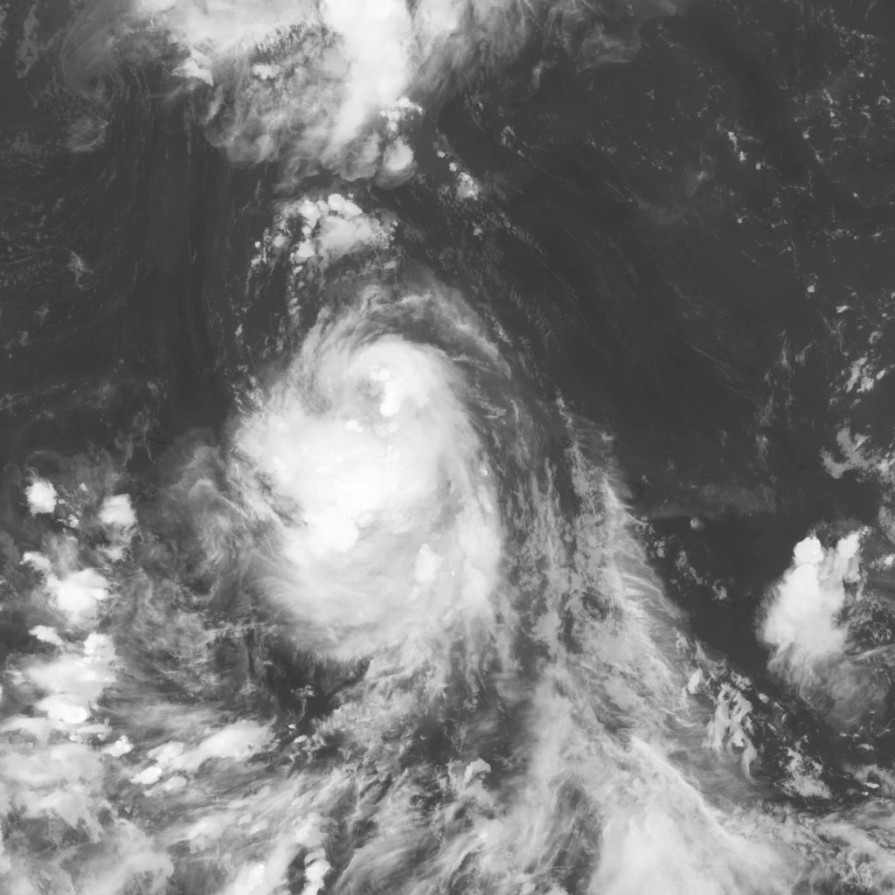
World Faces Combined Weather Crisis and Oil Price Shock
The global economy is confronting not just an ordinary weather phenomenon, but a perfect storm combining extreme weather conditions with oil price shocks driven by supply disruptions. JPMorgan warned on Friday that a "super" El Niño phenomenon, coupled with rising energy prices from Middle Eastern conflicts, could slow global price reductions next year, adding approximately 0.3 percentage points to global inflation.
El Niño Projections
JPMorgan estimates the probability of the current El Niño event becoming "very strong" or "super strong" at 81% by year-end, with a 97% probability that these conditions will persist through 2027. While each of these factors might not be alarming on their own, their combination creates a significantly negative impact on the global economy.
Agricultural Impact
A super strong El Niño typically disrupts agricultural production in Asia and South America through droughts, excessive rainfall, and changes in growing seasons. JPMorgan estimates this will increase global food inflation by approximately 0.7 percentage points at its peak. When combined with $100 oil prices, limited diesel supply, higher fertilizer costs, increased transportation expenses, and higher packaging costs, food inflation could reach an increase of 1.3% to 1.5%.
Oil Market Pressures
The oil market is currently providing one part of this equation. Brent crude prices have risen above $100 per barrel this week as fighting intensified around the Strait of Hormuz and Houthi attacks on oil tankers in the Red Sea threatened two export routes that Gulf producers have relied on for months. Meanwhile, Kazakhstan has begun cutting oil output after drone attacks halted oil loading at the Caspian Pipeline Consortium's terminal on the Black Sea, removing a source of internationally traded crude oil.
Rising Diesel Prices
Diesel prices are currently under greater pressure than crude oil oil. Refining capacity in the Middle East has not fully recovered from the war, fuel exports from Russia remain constrained after months of drone attacks on refineries in Ukraine, and global refining margins remain at record highs.
Economic Impacts
JPMorgan predicts that emerging markets will bear the brunt of this inflation shock because food constitutes a larger share of household spending. Economies such as India, Indonesia, Brazil, and Colombia are among the most vulnerable.
Developed economies will not be spared either. Europe and the United States may avoid the worst crop losses, but will still face higher costs for imported food through fuel, fertilizer, transportation, and global commodity markets.
Global Economic Summary
| Factor | Impact |
|---|---|
| "Super" El Niño | Increases global food inflation by 0.7% |
| Oil prices > $100/barrel | Increases transportation and production costs |
| Rising diesel prices | Creates pressure on agricultural and food costs |
| Vulnerable economies | India, Indonesia, Brazil, Colombia |
| Developed economies | Higher costs for imported food |
This information was provided by Julianne Geiger for Oilprice.com.