China Accelerates Global Oil and Gas Investments: A New Strategy for Energy Security
In an era of rapidly growing energy demands coupled with insufficient domestic production, China is significantly intensifying its investments in the oil and gas sector abroad. These strategic investments not only aim to secure stable energy supplies but also clearly reflect the government's long-term vision for national energy security and economic development.
The Context: China's Growing Energy Needs
As the world's second-largest economy, China's energy consumption has reached unprecedented levels. The country's industrialization, urbanization, and expanding middle class have created an insatiable demand for energy resources. However, domestic oil and gas production has failed to keep pace with this growing demand, creating a significant supply-demand gap that threatens economic stability.
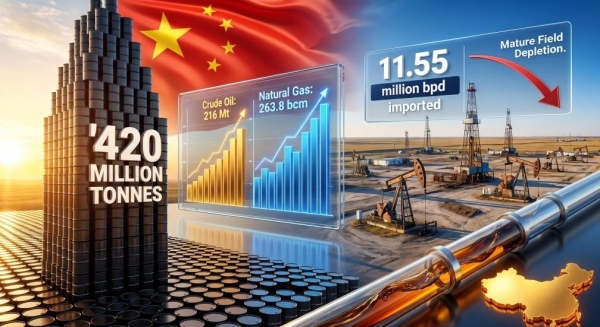
According to recent data, China's crude oil imports have consistently exceeded 60% of its total consumption, making it the world's largest importer of crude oil. This heavy dependence on foreign energy sources presents considerable geopolitical and economic risks, prompting Beijing to adopt a more proactive approach to securing energy resources globally.
China's Investment Strategy: A Global Approach
China's energy investments have witnessed substantial growth across multiple continents, with particular emphasis on regions rich in untapped resources. African nations, including Namibia in southwestern Africa, have emerged as key destinations for these strategic investments. The primary objectives of these overseas ventures include:
- Securing stable energy supplies: Establishing long-term partnerships with resource-rich countries to ensure consistent oil and gas deliveries.
- Diversifying supply sources: Reducing vulnerability to supply disruptions by developing multiple channels for energy imports.
- Acquiring advanced technology: Gaining access to cutting-edge extraction and processing technologies through joint ventures and partnerships.
- Strengthening geopolitical influence: Building economic and diplomatic ties with resource-rich nations to enhance China's global standing.
Key Drivers Behind Investment Acceleration
Several critical factors have contributed to China's accelerated pursuit of overseas oil and gas investments:
| Factor | Description | Impact on Strategy |
|---|---|---|
| Domestic Supply Shortages | China's oil production has plateaued while natural gas output struggles to meet rising demand. | Increased urgency to secure overseas sources to bridge the supply-demand gap. |
| Energy Security Concerns | Vulnerability to supply disruptions from strategic chokepoints and geopolitical tensions. | Diversification of supply routes and partnerships to mitigate risks. |
| Belt and Road Initiative | China's ambitious infrastructure development strategy spanning Asia, Africa, and Europe. | Integration of energy projects with broader economic connectivity goals. |
| Technological Advancement | Need for advanced extraction technologies, particularly in challenging environments. | Technology transfer agreements and joint ventures with international partners. |
The Namibian Opportunity: A Strategic Energy Partnership
Namibia has emerged as an increasingly attractive destination for Chinese energy investors. The country possesses significant untapped oil and gas reserves, particularly in its offshore regions along the Atlantic coast. Geological surveys indicate substantial potential in the Orange Basin, which has drawn considerable interest from major Chinese energy corporations.
The strategic advantages of investing in Namibia include:
- Political stability: Namibia enjoys a stable democratic environment, reducing investment risks.
- Favorable investment climate: The government actively seeks foreign investment in the energy sector.
Untapped resources: Large areas remain underexplored, offering substantial potential for new discoveries. Strategic location: Proximity to major shipping lanes facilitates transportation of resources to Asian markets.
Belt and Road Initiative: Energy Infrastructure Integration
Many of China's oil and gas investments in Namibia and other African nations are strategically aligned with the Belt and Road Initiative (BRI), Beijing's ambitious global infrastructure development strategy. The BRI aims to enhance connectivity and cooperation between China and numerous countries across Asia, Africa, and Europe through infrastructure development, trade facilitation, and financial integration.
Within this framework, energy projects serve multiple purposes:
- Energy corridor development: Establishing supply chains that integrate with BRI transportation networks.
Economic diplomacy: Strengthening bilateral relationships through mutually beneficial energy partnerships. Market access: Creating new markets for Chinese energy technology and equipment.
Economic and Geopolitical Implications
China's expanding oil and gas investments carry significant economic and geopolitical implications:
| Dimension | Implications for China | Implications for Host Countries |
|---|---|---|
| Economic | Enhanced energy security, potential cost savings through vertical integration, development of technical expertise. | Infrastructure development, technology transfer, employment opportunities, increased government revenue. |
| Geopolitical | Expanded global influence, reduced vulnerability to supply disruptions, strengthened diplomatic ties. | Increased strategic importance, potential debt concerns, enhanced regional connectivity. |
| Environmental | Access to resources supporting economic growth, potential environmental challenges in extraction. | Development opportunities, environmental concerns, potential regulatory challenges. |
Future Outlook: Expanding Horizons
Looking ahead, China's overseas oil and gas investments are expected to continue expanding in both scale and geographic scope. The integration of digital technologies such as artificial intelligence, big data analytics, and automation into exploration and production processes will likely become increasingly important in these ventures.
Additionally, as global energy transitions toward lower-carbon alternatives, China's energy investments may evolve to incorporate greater emphasis on natural gas as a transitional fuel, as well as increased investment in renewable energy technologies in partnership with host countries.
Conclusion: Building a Sustainable Energy Future
The acceleration of China's oil and gas investments abroad, particularly in regions like Namibia, represents more than merely addressing immediate supply concerns. These strategic initiatives reflect a comprehensive approach to building a sustainable energy foundation that supports long-term economic growth and geopolitical objectives.
For China, diversifying energy sources and strengthening international partnerships will remain critical components of its energy security strategy. Meanwhile, for host countries like Namibia, these investments offer opportunities for economic development and technological advancement, albeit with considerations regarding environmental impacts and long-term economic sustainability.
As the global energy landscape continues to evolve, China's overseas energy investments will undoubtedly play an increasingly significant role in shaping international energy markets and geopolitical dynamics in the decades to come.