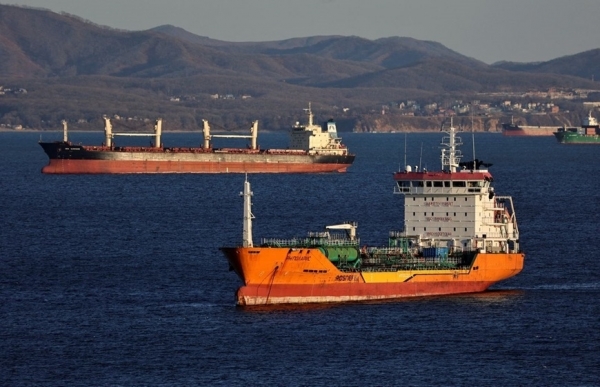
Key Developments in the Global Energy Market July 20-25
The global energy market witnessed significant developments throughout the past week, particularly OPEC's decision to continue increasing production quotas and the near-maximum refinery capacity in the United States. These factors have shaped the pricing landscape and trends of the global energy market.
OPEC's Decision: Continued Production Increases
At its regular meeting last week, the Organization of the Petroleum Exporting Countries (OPEC) decided to maintain its policy of increasing production, a move that many analysts believe aims to stabilize the market amid global demand recovery following the COVID-19 pandemic.
According to the official announcement from OPEC, oil production will be increased by approximately 400,000 barrels per day from August 2025, bringing the organization's total production to about 26.3 million barrels per day. This decision reflects OPEC's optimism about the recovery of global energy demand in the coming months.
However, this decision has also raised concerns about the potential market saturation if demand does not meet expectations, especially as major economies face high inflation and weakening growth prospects.
Market Reaction
Following the announcement, global crude oil prices showed mixed movements. In the first trading session after the announcement, Brent crude fell by approximately 1.2% to $78.50 per barrel, while US WTI crude decreased by 1.5% to $75.20 per barrel.
However, in subsequent trading sessions during the week, oil prices recovered slightly after US inventory reports showed smaller-than-expected declines, indicating continued strong domestic demand.
US Refinery Capacity: Near Maximum Levels
Another notable development of the past week was the report indicating that US refinery capacity has reached near-maximum levels. According to data from the US Energy Information Administration (EIA), refinery utilization rates in the country reached 95.2% for the week ending July 23, 2025, the highest level in five years.
The high refinery utilization reflects the strong recovery of the US petrochemical industry after disruptions caused by the COVID-19 pandemic and technical issues. The high utilization rate also indicates continued strong demand for gasoline, diesel, and other petroleum products in the US.
However, refinery capacity operating near maximum levels also presents challenges regarding maintenance and operations, especially during the hot summer months when electricity and air conditioning demand increases, placing pressure on the comprehensive energy system.
Impact on the Domestic Market
High refinery capacity has helped the US significantly reduce crude oil imports, thereby reducing dependence on supplies from the Middle East and other regions. According to statistics, US crude oil imports during the week amounted to only about 5.2 million barrels per day, a 12% decrease compared to the same period last year.
However, high refinery capacity has also raised concerns about future demand fulfillment capabilities, particularly as refineries require periodic maintenance downtime. Without appropriate maintenance plans, the risk of supply disruptions could occur, creating price pressures.
Overall Impact on the Energy Market
The combination of OPEC's production increase policy and high US refinery capacity has had multifaceted impacts on the global energy market over the past week.
In terms of supply, global crude oil supply remains high, with both the US and OPEC increasing production. In terms of demand, global energy demand continues to recover but at a slower pace than expected due to unfavorable macroeconomic factors.
This has created a balanced but highly sensitive market to political and economic fluctuations. Any incidents in major oil-producing regions like the Middle East, or sudden policy changes from major consuming countries, could cause significant price volatility.
Price Trends During the Week
During the week of July 20-25, 2025, global crude oil prices fluctuated within narrow ranges with a slight downward trend. Specifically:
| Oil Type | Start of Week Price (7/20) | End of Week Price (7/25) | Change (%) |
|---|---|---|---|
| Brent Crude | $79.80/barrel | $78.20/barrel | -2.0% |
| WTI Crude | $76.50/barrel | $74.80/barrel | -2.2% |
| Dubai Crude | $76.20/barrel | $74.90/barrel | -1.7% |
In addition to crude oil, prices of petroleum products showed similar fluctuations. Regular gasoline prices in the US decreased slightly from $3.25/gallon to $3.18/gallon, while diesel prices fell from $3.45/gallon to $3.38/gallon.
In-depth Analysis
According to energy market analysts, OPEC's decision to continue increasing production reflects the organization's balancing act between meeting market demand and maintaining reasonable price levels.
"OPEC is trying to avoid a scenario where oil prices are too low, which could damage the budgets of many member countries, but at the same time doesn't want prices too high to reduce consumption demand," said Mr. Nguyen Van An, energy market analyst at the Energy Research Institute.
On the US side, high refinery capacity not only reflects the recovery of the petrochemical industry but is also part of the strategy to reduce dependence on foreign supplies and enhance national energy security.
Future Outlook
In the coming weeks, the global energy market will likely continue to be influenced by many factors:
- Monetary Policy: Major central banks like the US Federal Reserve and the European Central Bank may continue interest rate hikes to control inflation, which could affect economic growth and energy demand.
- Middle East Political Situation: Any tensions in this major oil-producing region could disrupt supplies and push oil prices higher.
- Economic Data: Reports on global economic growth, especially from major economies like the US, China, and the European Union, will impact energy demand forecasts.
- Energy Transition: The ongoing trend toward clean and renewable energy continues to be a long-term factor that may affect future oil demand.
Conclusion
The global energy market during the week of July 20-25, 2025, witnessed significant developments with OPEC's decision to continue increasing production and the situation of near-maximum refinery capacity in the US. These factors have shaped the pricing landscape and market trends in the short term.
Despite the slight downward trend in oil prices during the week, the market remains highly sensitive to political and economic fluctuations. In this context, closely monitoring developments from OPEC, US production situations, and global macroeconomic factors will be key to accurately forecasting energy market trends in the coming period.
Investors and stakeholders should prepare for potential fluctuations, especially as the peak energy consumption season approaches, which could create new pressures on the market.