Developing the Electricity Market: A Lever for Vietnam's Energy Security
As Vietnam stands at the threshold of achieving double-digit economic growth, the nation simultaneously faces mounting pressure to ensure energy security. According to energy experts, the synchronized development of the electricity market—from power generation to transmission grids and enhanced operational capabilities—represents a critical factor in meeting the country's socio-economic development needs.
Growing Electricity Demand
Projections from industry experts indicate that Vietnam's electricity demand is expected to continue growing at approximately 10% annually during the 2024-2026 period, aligning with the nation's double-digit economic growth targets. This figure underscores the rapid pace of urbanization, the expansion of industrial zones, and the ongoing digital transformation—all driving unprecedented energy consumption.
However, meeting this growing demand is far from simple. Vietnam's power system confronts numerous challenges, including developing new power sources, upgrading transmission infrastructure, and ensuring the stability and safety of the entire system.
Energy Security: The Challenges Ahead
Energy security has become a matter of critical importance for Vietnam's socio-economic development. The pressure to ensure energy security is intensifying due to several factors:
- Rising electricity demand outpacing the development of new power sources
- Declining availability of fossil fuel resources (coal, gas) globally
- Climate change impacts affecting hydropower resources
- Requirements for clean energy transition and emission reduction
- Inadequate transmission infrastructure unable to meet energy distribution needs
"Ensuring energy security isn't merely about supplying sufficient electricity, but also guaranteeing stability, continuity, and reasonable costs," stated Mr. Nguyen Van Ly, an energy expert. "This is a complex problem requiring comprehensive and synchronized solutions."
Comprehensive Solutions for the Electricity Market
Diversified Power Source Development
To meet growing demand, Vietnam needs to develop various power sources with a rational structure:
| Power Source | Projected Share by 2030 | Advantages | Challenges |
|---|---|---|---|
| Hydropower | 25-30% | Low cost, renewable | Seasonal dependency, drought vulnerability |
| Coal Power | 35-40% | Stable, mature technology | Environmental pollution |
| Gas Power | 20-25% | Cleaner than coal | Import dependency |
| Solar Power | 10-15% | Utilizes solar energy | Hourly instability |
| Wind Power | 5-10% | Utilizes renewable energy | Weather dependency |
Smart Transmission Grid Development
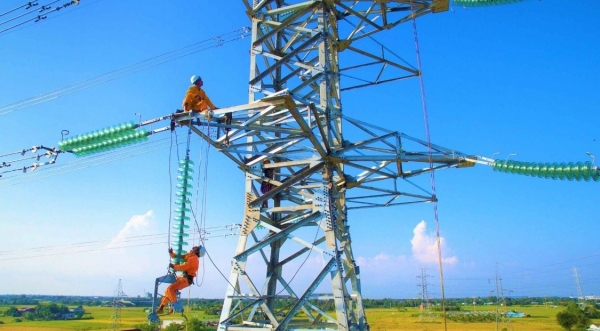
A modern transmission grid system serves as the backbone of the electricity market. Vietnam is making substantial investments in:
- Upgrading and modernizing the national transmission grid system
- Constructing high-voltage and extra-high-voltage transmission lines
- Implementing digital technologies in grid management and operations
- Developing smart grid infrastructure
- Enhancing connectivity between different regions
Enhancing System Operational Capabilities
Improving power system operational capabilities is a critical factor in ensuring energy security:
- Applying AI and Big Data technologies for demand forecasting and system operation
- Developing efficient energy management systems
- Training high-quality human resources for the electricity sector
- Establishing flexible and efficient electricity market mechanisms
- Strengthening international cooperation in the energy sector
Sustainable Energy Transition
According to Vietnam's national energy development roadmap, the country is committed to a strong transition toward clean energy with reduced emissions. This requires:
- Increasing the share of renewable energy in the power structure
- Developing energy storage technologies
- Promoting energy conservation and efficiency
- Investing in research and development of new energy technologies
Vision for 2030 and 2050
According to the national power development plan, Vietnam has set the following targets:
- By 2030: Ensure sufficient electricity for socio-economic development, with renewable energy accounting for 15-20% of the power mix
- By 2050: Establish a clean, low-carbon power system with renewable energy accounting for over 50% of electricity generation
"Developing the electricity market is not merely a technical issue but a national strategy," emphasized Mr. Tran Van Hoa, Director of the Energy Institute. "We need long-term vision, synchronized investment, and participation from the private sector to build a strong, flexible, and sustainable power system."
Conclusion
Developing the electricity market serves as a crucial lever for Vietnam's energy security. With projected strong growth in electricity demand, the synchronized development of power sources, transmission grids, and enhanced operational capabilities represents an urgent requirement. Only through a comprehensive, flexible, and sustainable approach can Vietnam ensure energy security, support double-digit economic growth, and fulfill its commitments to a clean energy transition.
Success in this endeavor depends not only on the efforts of the electricity sector but also requires the collective participation of society—from businesses to consumers—working together toward a sustainable energy future for Vietnam.
#ElectricityMarketDevelopment #EnergySecurity #VietnamPower #RenewableEnergy #EnergyTransition