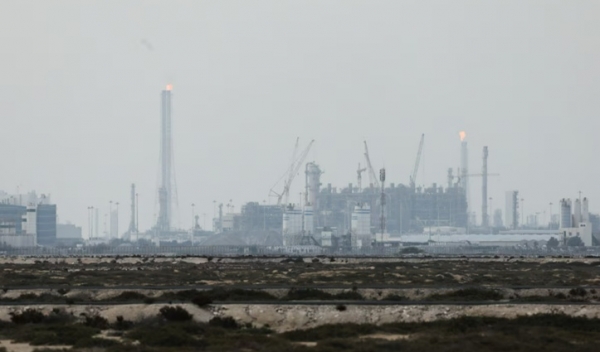
US-Iran Conflict Eroding Competitive Advantage of Persian Gulf LNG
The escalating tensions between the United States and Iran are creating significant challenges for the liquefied natural gas (LNG) industry in the Persian Gulf, particularly affecting major producers such as Qatar and the United Arab Emirates (UAE). According to sources from Reuters, customers in Asia and Europe are preparing to request price reductions and stronger supply guarantees as insurance costs for LNG shipments rise due to geopolitical risks.
The increasing regional instability has made shipping routes through the Strait of Hormuz—the world's most critical energy transportation corridor—more perilous. This has forced insurance companies to increase premiums for LNG shipments, thereby raising transportation costs and diminishing the competitive advantage of Persian Gulf LNG compared to alternative supply sources.
Impact on Asian and European Markets
In Asia, major LNG import markets including Japan, South Korea, and China are reconsidering long-term contracts with Persian Gulf suppliers. The surge in insurance costs has reduced the competitive edge of LNG from this region compared to supplies from the United States and Australia.
In Europe, countries are seeking to diversify their LNG supplies to reduce dependence on Russian gas, but the tensions in the Persian Gulf are complicating these efforts. European importers are weighing whether to accept higher costs from Persian Gulf LNG or seek alternative supplies from less geopolitically risky regions.
Reactions from Qatar and UAE
Qatar, the world's largest LNG producer, is facing pressure to adjust pricing and contract terms to maintain market share. The UAE, with its expanding LNG projects, is also attempting to balance maintaining trade relationships with managing geopolitical risks.
Both countries are investing in infrastructure to enhance security for LNG shipping routes, though these efforts come with significant costs. Persian Gulf LNG producers are also exploring alternative routes to diversify transportation and reduce dependence on the Strait of Hormuz.
Detailed Economic Impact
The increase in insurance costs has directly impacted the profitability of Persian Gulf LNG producers. Transportation and insurance costs for routes passing through the Strait of Hormuz have risen substantially, reducing the competitive advantage of LNG from this region.
| Market | Insurance Cost Increase | Impact on LNG Price | Expected Duration |
|---|---|---|---|
| Asia | 15-25% | 10-20% increase | 3-6 months |
| Europe | 20-30% | 15-25% increase | 6-12 months |
Future Prospects for the Regional LNG Industry
Despite current challenges, Persian Gulf LNG producers maintain a strategic advantage due to their geographical proximity to Asian markets. However, they will need to invest more in shipping security and market diversification to mitigate geopolitical risks.
Countries like Qatar and the UAE are also considering expanding trade relationships with new markets in Africa and South America to reduce dependence on Asia and Europe. This diversification could help them minimize the impact of regional geopolitical tensions.
Strategic Implications and Industry Response
The US-Iran conflict has prompted a reassessment of risk management strategies across the global LNG industry. Major energy companies are developing contingency plans that include alternative routing options and enhanced security measures for critical infrastructure.
In response to the heightened security concerns, several Persian Gulf producers are increasing their investment in floating storage and regasification units (FSRUs) that can operate in safer waters. Additionally, there is growing interest in developing pipeline connections to neighboring countries as a backup to maritime transport through the Strait of Hormuz.
Market Adaptation Strategies
Persian Gulf LNG producers are implementing several strategies to maintain their market position:
- Offering more flexible contract terms to accommodate changing market conditions
- Investing in advanced vessel tracking and monitoring systems
- Diversifying their customer base across multiple regions
- Developing strategic partnerships with shipping companies to ensure secure transportation
These measures, while costly, are essential for maintaining the region's competitive position in the global LNG market.
Long-Term Industry Outlook
The current geopolitical tensions may accelerate the ongoing transformation of the global LNG market. The Persian Gulf region faces both challenges and opportunities in this evolving landscape:
- Short-term market volatility due to insurance cost fluctuations
- Increased competition from alternative LNG suppliers in North America and Australia
- Potential for new market development in regions less exposed to geopolitical risks
- Opportunities for technological innovation in secure LNG transportation
Conclusion
The US-Iran conflict presents significant challenges for the Persian Gulf LNG industry, but also offers opportunities for market restructuring and diversification. Producers like Qatar and the UAE will need to demonstrate flexibility in adjusting pricing and contract terms to maintain their competitive edge. In the long term, regional stability will be the decisive factor for the sustainable development of the Persian Gulf LNG industry.
Industry experts predict that the situation will remain complex in the short term, but Persian Gulf LNG producers have sufficient resources and adaptability to overcome this challenging period and maintain their position in the global market.