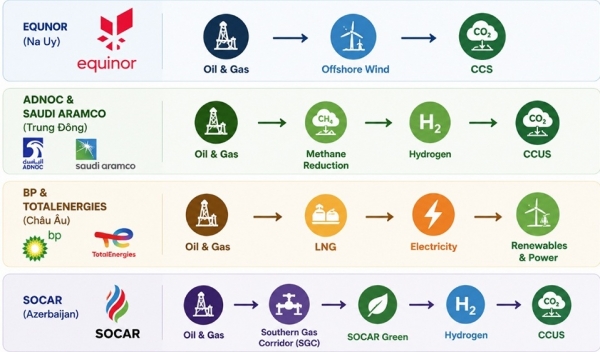
The Energy Transition: Not Abandoning Oil and Gas, but Adapting to a New Reality
In recent years, the concept of energy transition has emerged as a pivotal topic within the global energy industry. Traditionally, this process has been understood as a gradual replacement of oil and gas with lower-emission energy sources. However, reality has demonstrated that the energy transition is far more complex than this simplistic narrative suggests.
The Rapid Evolution of Renewable Energy
Renewable energy, encompassing solar, wind, and hydropower, has witnessed explosive growth in investment and development worldwide. Nations across the globe are intensifying their adoption of new technologies aimed at enhancing efficiency and reducing production costs of renewable energy. Several key developments highlight this trend:
- Solar and wind energy have emerged as the primary recipients of investment in the energy sector.
- Energy storage technologies are experiencing rapid advancement, addressing intermittency challenges.
- Governments in numerous countries have implemented supportive policies including tax incentives, subsidies, and renewable portfolio standards.
- The levelized cost of electricity (LCOE) from solar and wind has decreased dramatically, making them competitive with conventional sources in many markets.
- Corporate power purchase agreements (PPAs) for renewable energy have reached unprecedented volumes.
Sustained Investment in Oil and Gas
Despite the rapid advancement of renewable energy, investment in the oil and gas sector continues unabated. Many nations maintain and expand their oil and gas infrastructure, recognizing the ongoing role these resources play in the global energy mix:
- Development of new natural gas fields continues globally, particularly in regions with abundant resources.
- LNG (liquefied natural gas) infrastructure is expanding to facilitate global trade of natural gas.
- Investment in technologies for more efficient oil and gas production, including carbon capture and storage (CCS), remains significant.
- Digital transformation and automation are being applied to enhance operational efficiency in oil and gas operations.
- Many oil and gas companies are diversifying their portfolios to include renewable energy and low-carbon solutions.
The Net Zero Imperative and the Role of Natural Gas
Numerous countries have established ambitious targets for achieving net-zero emissions. However, this does not equate to an immediate abandonment of oil and gas. In practice, natural gas is increasingly recognized as a crucial transitional fuel in the energy transition. The synergy between renewable energy and natural gas can help ensure stable energy supply while minimizing emissions:
- Natural gas emits approximately 50% less CO2 than coal when burned for electricity generation.
- Gas-fired power plants can provide flexible generation to complement intermittent renewable sources.
- Methane emissions from oil and gas operations are being addressed through improved measurement and mitigation technologies.
- Blue hydrogen production from natural gas with carbon capture is being developed as a clean energy carrier.
- Many energy scenarios project natural gas demand remaining stable or increasing through mid-century before declining.
The Complex Reality of Energy Transition
The energy transition represents a fundamental transformation of the global energy system, characterized by several key dimensions:
- Technological Innovation: Breakthroughs in renewable energy, energy storage, digitalization, and carbon management are accelerating the transition.
- Policy and Regulation: Governments are implementing carbon pricing, emissions trading systems, and regulatory frameworks to guide the transition.
- Market Dynamics: Capital is flowing toward low-carbon technologies, though investment in conventional energy remains substantial.
- Social Acceptance: Public awareness and acceptance of energy transition measures vary significantly across regions and communities.
- Geopolitical Shifts: The energy transition is reshaping global energy relationships and dependencies.
Comparing Renewable Energy and Oil/Gas: A Multidimensional Analysis
| Factor | Renewable Energy | Oil and Gas |
|---|---|---|
| Greenhouse Gas Emissions | Minimal during operation (lifecycle emissions vary by technology) | High during combustion (25-30% of global CO2 emissions) |
| Technology Maturity | Rapidly evolving with continuous innovation | Mature with incremental improvements |
| Production Costs | Declining significantly (solar PV costs down ~90% in last decade) | Subject to price volatility with long-term upward trend |
| Investment Trends | Accelerating rapidly ($500+ billion annually in recent years) | |
| Energy Density | Lower (requires more space for equivalent energy output) | High (concentrated energy source) |
| Grid Integration | Challenging due to intermittency and variability | Well-established dispatchable generation |
| Future Outlook |
The Path Forward: A Balanced Energy Transition
The energy transition is not a binary choice between renewables and fossil fuels, but rather a complex transformation of the entire energy system. The most viable path forward involves a pragmatic approach that acknowledges the complementary roles of different energy sources:
- Phased Transition: Different sectors and regions will transition at different paces based on local circumstances and resources.
- Technology Neutrality: All low-carbon technologies, including renewables, nuclear, and carbon capture with fossil fuels, should be evaluated on their merits.
- System Integration: Developing smart grids and energy storage solutions to accommodate high shares of variable renewable energy.
- Just Transition: Ensuring that workers and communities dependent on fossil fuel economies are supported through the transition.
- Global Cooperation: International collaboration to accelerate innovation, share best practices, and ensure equitable access to clean energy technologies.
Conclusion: Toward a Sustainable Energy Future
The energy transition represents one of the most significant challenges and opportunities of our time. Rather than viewing it as an immediate abandonment of oil and gas, a more nuanced approach recognizes the need for a balanced energy mix during the transition period. The coexistence and integration of renewable energy with natural gas and other low-carbon technologies can create a more resilient, sustainable, and affordable energy future.
As the world navigates this complex transition, energy companies, governments, and consumers must collaborate to develop innovative solutions that address climate change while ensuring energy security and economic prosperity. The journey toward a sustainable energy future is not about choosing between competing technologies, but about creating an integrated system that maximizes the benefits of all available resources while minimizing environmental impacts.
#EnergyTransition #RenewableEnergy #OilAndGas #NetZero #NaturalGas #ClimateChange #SustainableEnergy