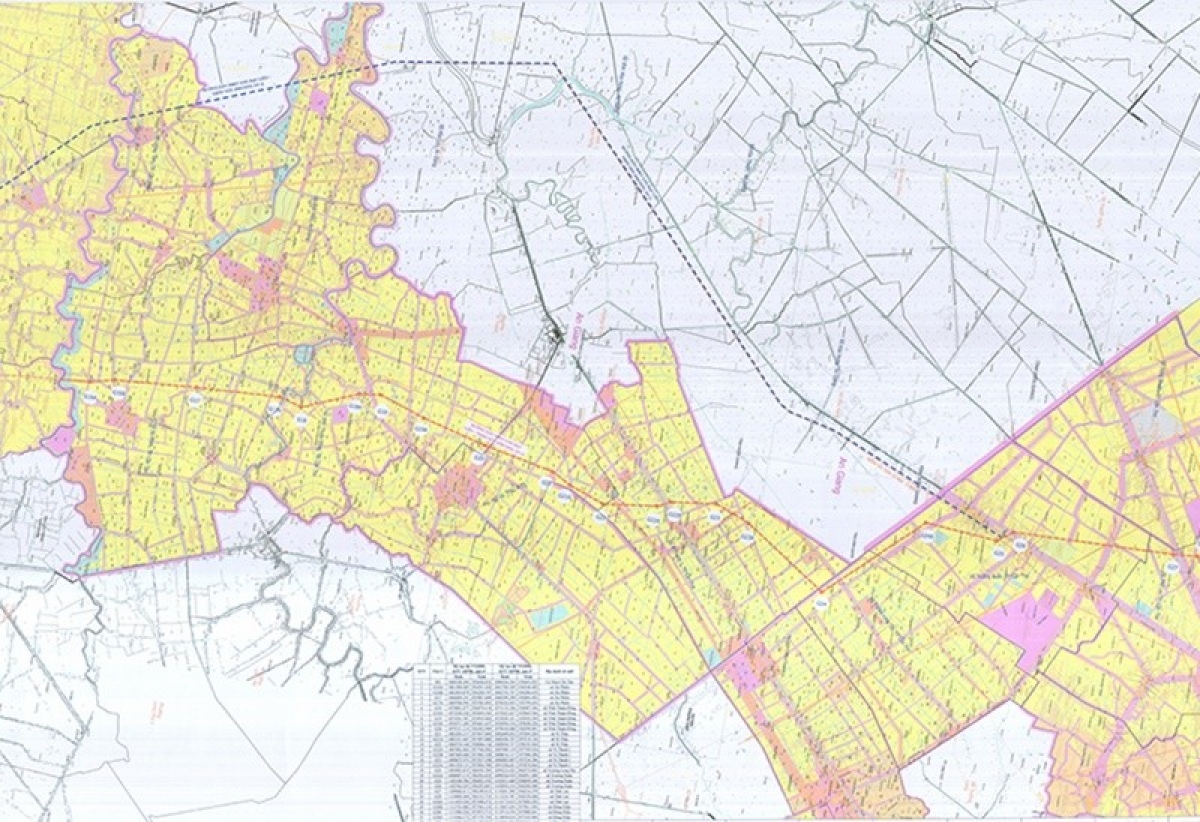
Approval Granted for 500kV Power Line Project from LNG Bac Lieu to Can Tho
The People's Committee of Ca Mau Province has recently approved the investment proposal for the 500kV power line project connecting the LNG Bac Lieu Power Plant to Thot Not, with the National Power Transmission Corporation (EVNNPT) designated as the primary investor. This critical infrastructure project aims to ensure a stable power supply for the Mekong Delta region.
Project Background
The project is being implemented against a backdrop of increasing electricity demand across the Mekong Delta region (MDR), particularly in southern provinces such as Can Tho, Hau Giang, Bac Lieu, and Ca Mau. The construction of this 500kV transmission line will contribute to energy security, enhance the reliability of the power system, and meet the socioeconomic development needs of the area.
Detailed Project Information
According to the decision by the Ca Mau Provincial People's Committee, the 500kV LNG Bac Lieu - Thot Not power line project will have a total length of approximately 65 km, with about 25 km passing through Ca Mau province. The transmission line will traverse districts including Gia Rai, Phuoc Long, and Bac Lieu city.
The project comprises several key components:
- Construction of 65 km of 500kV transmission lines
- Design of two 500/220kV transformer stations in Bac Lieu and Thot Not
- Lightning protection and electromagnetic interference systems
- Communication and control systems
Key Technical Specifications
| Parameter | Details |
|---|---|
| Rated Voltage | 500 kV |
| Total Length | 65 km |
| Number of Poles | ~210 towers |
| Power Capacity | 1,200 MVA |
Significance and Importance of the Project
The 500kV LNG Bac Lieu - Thot Not power line project holds particular importance for the Mekong Delta's power system:
- Ensures a stable and continuous power supply for provinces and cities in the Mekong Delta region
- Reduces the load on existing transmission lines, decreasing the risk of overload and power outages
- Enhances connectivity and power exchange capabilities between different regions
- Supports socioeconomic development, particularly in new industrial zones
- Contributes to the implementation of Vietnam's national power development strategy for the 2021-2030 period
Implementation Timeline and Funding
According to the project plan, implementation will be carried out over a 24-month period, from 2023 to 2024. The total estimated investment is approximately 1,500 billion VND, to be mobilized from EVNNPT's capital and other legal sources.
Key Stakeholders
In addition to EVNNPT as the primary investor, the project involves several other parties:
- Vietnam Electricity (EVN): Responsible for the overall project management
- Southern Power Transmission Company: Implementation and operational responsibilities
- Ca Mau Provincial People's Committee: Supporting land acquisition and creating favorable conditions for the project
- Consulting firms: Design and quality supervision services
Challenges and Prospects
Despite its significant importance, the project faces several challenges:
- Land acquisition through residential areas and agricultural production zones
- Ensuring labor safety and environmental protection during construction
- Short implementation timeline amid ongoing pandemic challenges and climate change impacts
However, with decisive guidance from the Government and relevant ministries, coupled with close coordination with local authorities, the project is expected to be completed on schedule, making a significant contribution to the socioeconomic development of the Mekong Delta region.
Conclusion
The approval of the 500kV LNG Bac Lieu - Thot Not power line project represents a significant step in improving Vietnam's national power system, particularly for the Mekong Delta region. The project not only addresses the challenge of providing stable electricity to the area but also promotes socioeconomic development, improves living standards for residents, and ensures national energy security.
Successful implementation of this project will create an important foundation for other power projects in the region, moving toward Vietnam's sustainable and green energy development goals.