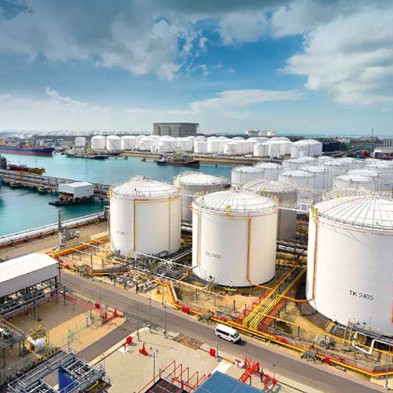
Dangote's Mega Refinery Project in Kenya: Transforming East Africa's Energy Landscape
Nigerian Tycoon Invests $17 Billion to Transform Region from Fuel Importer to Exporter
For decades, East Africa has been exporting one commodity while importing another. The region possesses approximately 4.7 billion barrels of crude oil and over 70 trillion cubic feet of natural gas across Uganda, South Sudan, Kenya, and the Democratic Republic of Congo (DRC), according to the African Energy Commission (AFREC). However, the region has had to import 100% of its refined fuels after the Kenya Petroleum Refineries Limited (KPRL) - the only remaining operational refinery in the region - ceased operations in 2013.
Now, Nigerian billionaire Aliko Dangote intends to reverse this equation with a $17 billion (2.2 trillion KSh) refinery with a capacity of 700,000 barrels per day on Kenya's Lamu Island. The facility will process crude oil for Kenya, Uganda, South Sudan, Rwanda, Burundi, and the DRC.
Unprecedented Scale and Export Potential
The refinery's designed capacity of 700,000 barrels per day significantly exceeds East Africa's current refined fuel demand of approximately 450,000 barrels per day, leaving a surplus of about 250,000 barrels per day available for other markets. Lamu's natural harbor, with depths capable of accommodating up to 18 meters, can receive fully loaded Post-Panamax tankers carrying up to 2 million barrels - vessels too large to access the Mombasa port.
| Key Parameters | Value |
|---|---|
| Total Investment | $17 billion (2.2 trillion KSh) |
| Capacity | 700,000 barrels per day |
| Current East African Demand | 450,000 barrels per day |
| Surplus Capacity | 250,000 barrels per day |
| Lamu Port Depth | 18 meters |
| Maximum Tanker Capacity | 2 million barrels |
This provides the refinery with direct access to long-haul crude oil imports while offering an export point for excess gasoline, diesel, and jet fuel. The construction and operation are expected to create over 60,000 jobs, making this one of the largest industrial employer proposals ever for Kenya's coastline.
Regional Strategy and Cross-Border Cooperation
Located along the LAPSSET Corridor Development, the project has fostered significant regional private sector partnerships. Tanzanian billionaire Mohammed Dewji has expressed intentions to invest $100 million in the project's development. The mega-refinery will also test intra-African industrial integration capabilities under the African Continental Free Trade Area (AfCFTA).
The refinery can process crude oil from East African producers like Uganda, South Sudan, and Kenya as regional production expands, while simultaneously accepting feedstock from larger exporters including Nigeria and Angola. The refined petroleum products and petrochemicals can then be sold across the African Continental Free Trade Area (AfCFTA) - a market of 55 countries with 1.4 billion people and a combined GDP of approximately $3.4 trillion, gradually phasing out tariffs and other trade barriers for intra-African trade.
Lessons from Nigeria: The Success of Dangote's Refinery
The new Kenyan mega-project will be encouraged by the success story of Dangote's refinery in Nigeria. The Dangote refinery has transformed Nigeria from an import-dependent nation into an energy security hub by eliminating the need for refined fuel imports. Brought online in 2023, the 650,000 barrels per day refinery meets 100% of Nigeria's domestic demand for gasoline, diesel, and jet fuel, stabilizing supply structure shocks with local marketers now able to buy and sell directly.
| Impact of Dangote Refinery in Nigeria | Outcome |
|---|---|
| Domestic Fuel Demand Satisfaction | 100% |
| Impact on Balance of Payments | Significant Improvement |
| Credit Rating | Upgraded to B after 14 years |
| Impact on Exchange Rate | More Stable |
| Annual CO2 Emission Reduction | Over 1 million tons |
By cutting import bills for refined products, the refinery has significantly improved Nigeria's balance of payments. This improved external financial position directly led to Nigeria receiving its first sovereign credit rating upgrade to B in 14 years, enabling the country to secure loans on more favorable terms. Local refining keeps wealth within the country, reducing large foreign exchange demands and helping stabilize fluctuations in the local currency exchange rate.
Beyond energy, the facility produces Dangote fertilizers, creating thousands of jobs and reshaping trade flows by exporting clean fuel to other African countries and global markets. Furthermore, it has helped reduce Nigeria's carbon footprint by processing crude domestically rather than exporting to high-carbon refineries abroad, with the energy-efficient facility expected to eliminate over one million tons of CO2 emissions annually.
Challenges and Controversies
Unsurprisingly, the proposed Kenyan project is facing growing criticism and opposition. Activists from Greenpeace Africa and local community groups have strongly protested the project, warning it could destroy Lamu's sensitive UNESCO World Heritage marine ecosystem, including critical mangrove forests and coral reefs that maintain local tourism and fisheries.
Critics have warned the facility risks becoming a stranded asset as the global energy transition accelerates, potentially locking Kenya into decades of heavy carbon emissions. Human rights and constitutional lawyers have threatened lawsuits at the High Court, demanding the Kenyan government halt all work until comprehensive, objective Environmental and Social Impact Assessments (ESIAs) and transparent public participation are fully conducted.
Meanwhile, economists note that Dangote Industries' demands for anti-dumping protections and tax incentives could spark local opposition if perceived as unfairly dominating the regional fuel market or stifling fair competition. After all, Dangote Petroleum Refinery previously faced legal and regulatory battles with Nigeria's state oil company NNPC and major marketers after the company sought to nullify competitors' import licenses to protect its dominant market share, with regulators and marketers arguing it exposed the market to monopolistic control.
Conclusion: A Transformative Project with Complex Challenges
The Dangote refinery project in Kenya represents a pivotal moment in East Africa's energy context, with the potential to transform the region from a fuel importer to an exporter while simultaneously presenting significant environmental and economic challenges that must be carefully addressed. The project's success could position East Africa as a new energy hub on the continent, leveraging regional resources and creating a more integrated African energy market aligned with the AfCFTA vision.
As the project moves forward, balancing economic development with environmental protection and ensuring equitable regional benefits will be critical. The Kenyan government, alongside Dangote Industries and other stakeholders, must navigate these complex considerations to ensure the project delivers on its transformative promise while minimizing potential negative impacts on local communities and the environment.