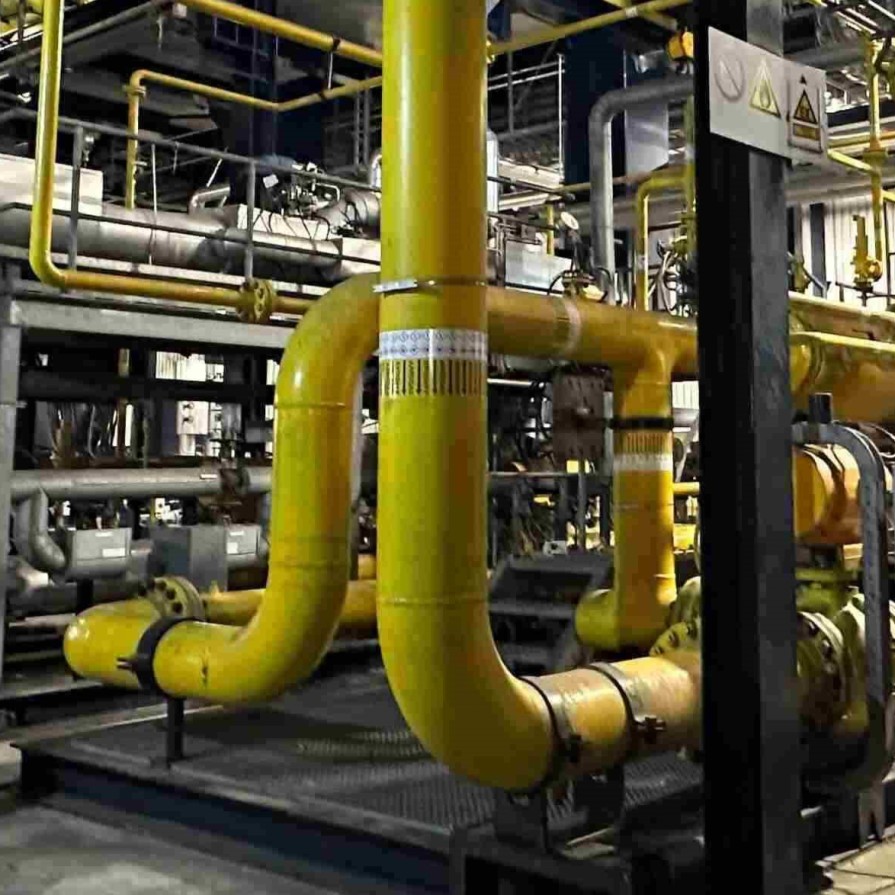
GE Vernova Raises Full-Year Revenue Forecast Fueled by AI Energy Demand Surge
GE Vernova has elevated its full-year revenue forecast following another quarter marked by explosive demand for gas turbines, grid equipment, and AI-driven power infrastructure. Wind energy stands as a notable exception, as the company's wind division continues to grapple with significant losses amidst ongoing industry challenges.
The company reported second-quarter revenue of $11.1 billion, a 22% increase compared to the same period last year and surpassing analyst expectations. Meanwhile, orders skyrocketed by 88% to a record $24.2 billion, pushing the total backlog to $176 billion. Power segment orders more than doubled, driven by utility companies and large-scale data center developers racing to secure electricity supply.
Impressive Financial Results
GE Vernova disclosed that data center orders have exceeded $5 billion thus far this year, more than double the total orders signed for the entire 2025 fiscal year. The company also raised its 2026 revenue guidance to $45.5-46.5 billion, reflecting confidence in sustained growth across its key segments.
| Financial Metric | Q2 2025 | Year-over-Year Comparison | Change |
|---|---|---|---|
| Revenue | $11.1 billion | $9.1 billion | +22% |
| Orders | $24.2 billion | $12.9 billion | +88% |
| Total Backlog | $176 billion | - | Record Level |
Power and AI Segments Dominate Growth
This remarkable growth is primarily driven by GE Vernova's Power and Electrification segments, where orders have more than doubled. Utility companies and hyperscale data center developers are competing aggressively to secure electricity supply, particularly for AI computing centers.
"Demand for AI-driven power infrastructure is creating unprecedented growth momentum," stated the CEO of GE Vernova. "We're seeing unprecedented interest from major technology companies seeking to expand their computational capabilities."
Opportunities from AI Data Centers
AI data centers consume significantly more energy than traditional data centers, creating substantial demand for stable and reliable power sources. GE Vernova has quickly capitalized on this opportunity, with data center orders surpassing $5 billion within just the first half of the year.
Challenges in the Wind Sector
The picture is markedly different for the wind segment. GE Vernova's wind revenue decreased by 10% to $2.03 billion, while its adjusted EBITDA loss expanded by approximately $275 million due to lower onshore turbine deliveries, tariffs, and persistent project challenges affecting profitability.
The company now expects the wind segment to lose approximately $400 million this year, even as the Power and Electrification segments continue to expand rapidly.
| Segment | Q2 2025 Revenue | Change | EBITDA Profitability |
|---|---|---|---|
| Power | Significant Growth | >100% | Profitable |
| Electrification | Growing | - | Profitable |
| Wind | $2.03 billion | -10% | Loss of ~$275 million |
Difficulties Facing the Wind Industry
The wind industry continues to struggle with weak project economics following years of inflation, supply chain disruptions, higher financing costs, and increased construction costs that have eroded profitability.
- Onshore Turbines: Lower deliveries due to delayed projects
- Offshore Turbines: Heavily impacted by project cancellations and permitting delays
- Rising material and transportation costs
- Higher interest rates reducing financial viability of projects
Political Policy Impacts
Offshore wind has been particularly affected by project cancellations and permitting delays. The Trump administration has halted new offshore leasing, canceled some federally supported projects, frozen Department of Defense assessments affecting over 100 proposed wind farms, and redirected billions toward oil and gas development.
Although many federal courts have partially reversed these policies, regulatory uncertainty continues to delay new projects and weighs heavily on the industry. This creates an unpredictable business environment for renewable energy developers.
Regulatory Challenges
Regulatory uncertainty is becoming a significant barrier to renewable energy projects in the United States. Changes in federal policy create substantial legal and financial risks for developers, leading to project delays or cancellations.
Future of the Wind Industry
Attention now turns to the next companies set to report earnings. Siemens Energy, whose subsidiary Siemens Gamesa is one of the world's largest wind turbine manufacturers, is expected to report Q3 results on August 5. Vestas Wind Systems, the world's largest wind turbine manufacturer, will follow with Q2 results on August 12, while offshore wind developer Ørsted is scheduled to report on August 13.
The results from these companies will provide clearer insight into the state of the entire wind industry and whether current challenges are temporary or becoming long-term trends.
Conclusion
GE Vernova is demonstrating a strong position in both traditional power infrastructure and AI-driven markets, with impressive growth in orders and revenue. However, the challenges in the wind segment remind us that the energy transition is uneven and presents numerous barriers to overcome.
In the context of changing political landscapes and increasing economic pressures, the future of the renewable energy sector—particularly wind—will depend on companies' adaptability and policy support. Meanwhile, demand for power infrastructure to support AI continues to be the primary growth driver for GE Vernova and similar suppliers.
#GEVernova #GasTurbines #PowerInfrastructure #AI #RenewableEnergy #Wind #DataCenters #Electricity