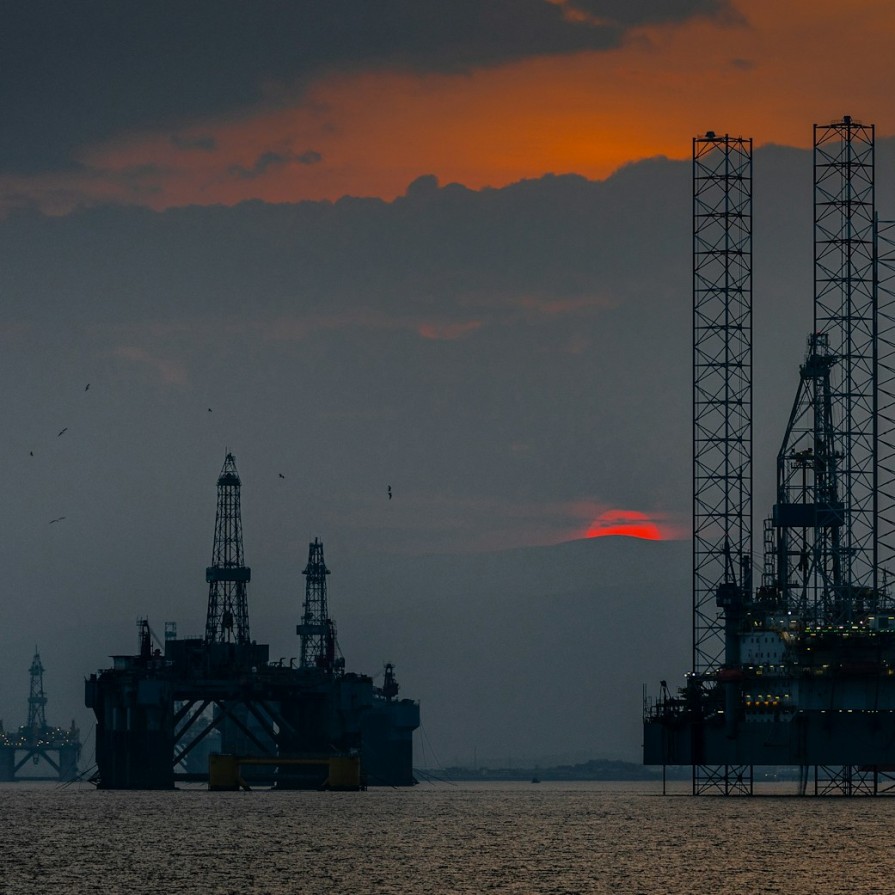
Rising Oil Prices Threaten India's Economic Growth in Fiscal Year 2026/2027
Reuters - India's economic growth in the fiscal year 2026/2027 could fall below expectations due to surging oil prices, driven by escalating conflicts in the Middle East and the El Niño phenomenon, according to a warning from a senior official at the International Monetary Fund (IMF).
"The downside risks are two-sided," Ranil Salgado, IMF's Resident Representative to India and Bhutan, said in an interview published by Reuters on Tuesday. "One is that the conflict has started to expand again, which has implications for oil prices," the official said, while noting that the second risk is that the El Niño phenomenon could lead to a poor monsoon season.
IMF Lowers Growth Forecast
Earlier this month, the IMF lowered India's GDP growth forecast by 10 basis points, from the 6.5% projected in April to 6.4% for the fiscal year 2026/2027 ending on March 31, 2027, due to higher energy prices.
"High-frequency indicators through April show a significant recovery in overall economic activity, but these positive effects have been more than offset for fiscal year 2026 by higher energy prices in our July base update, as well as a larger pass-through of these prices to gasoline pumps in India," Deniz Igan, Deputy Chief of the IMF's Research Department's Macrofinancial Division, said in early July.
Middle East Conflict and Impact on Oil Prices
At that time, the ceasefire between the US and Iran was partially maintained but collapsed a few days later. The reopening of the Strait of Hormuz and escalation of hostilities in the region pushed Brent oil prices up 16% in one week to nearly $90 per barrel.
India is scrambling to mitigate the economic and financial impact from the worst oil supply disruption in its history, as analysts suggest that high oil prices will continue to affect India's currency, economic growth, and public finances as long as supply remains constrained in the Strait of Hormuz.
Efforts to Diversify Oil Supply Sources
India, which imports over 85% of its oil consumption, had received about half of its total imports from the Middle East before the war. Currently, state-owned and private refineries are seeking to diversify imports, including accepting record volumes of Russian oil, and turning to Venezuela and Brazil to supplement crude supplies to make up for lost Middle Eastern sources.
India's Economic Growth Forecast
| Time Period | GDP Growth Forecast | Impact Factors |
|---|---|---|
| April 2026 | 6.5% | Initial projection |
| Early July 2026 | 6.4% | Rising energy prices |
| Mid-July 2026 | Below 6.4% | Escalating Middle East conflict |
News Source Update
Information compiled from Reuters and cited from statements by IMF officials. The original article was published by Michael Kern on Oilprice.com.