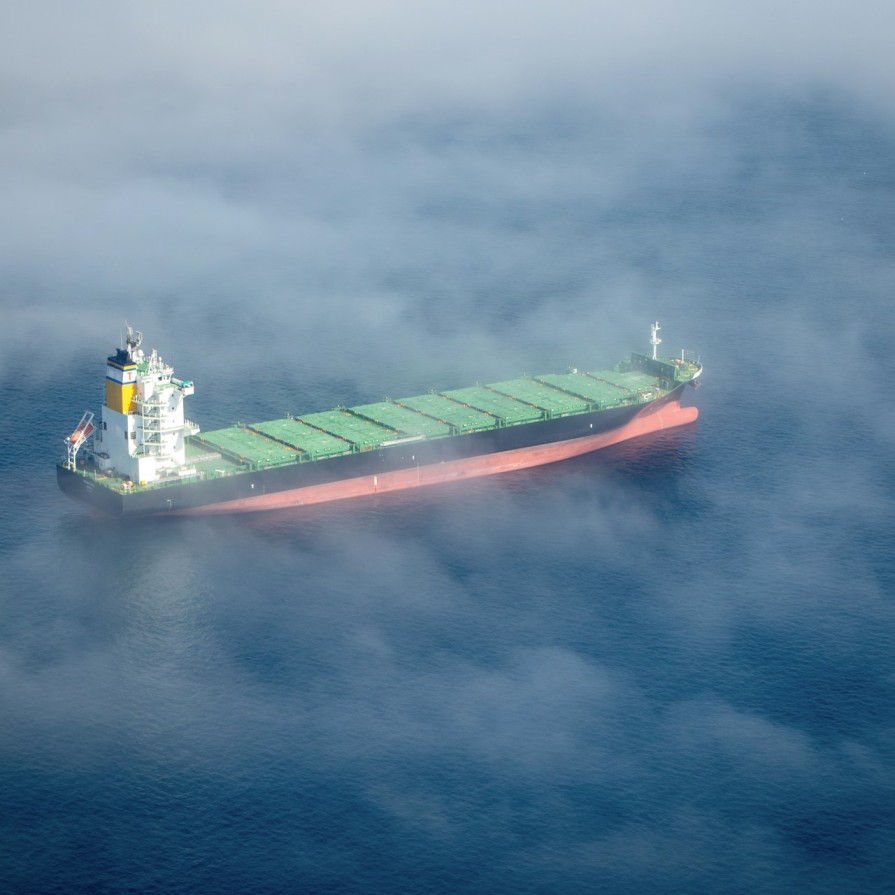
Middle East Conflict Disrupts Oil Transport, Sends Prices Soaring
The transportation of oil in the Middle East is facing unprecedented challenges as consecutive attacks and threats from armed groups make critical sea routes dangerous. The escalating tensions between the United States and Iran, along with their allies, are having profound impacts on the global energy market.
Challenges in Oil Transportation in the Red Sea and Strait of Hormuz
In a concerning development, two Saudi oil tankers have been forced to change course in the Red Sea after receiving threats from Houthi forces in Yemen. These vessels were en route to the Suez Canal, carrying crude oil from Saudi Arabia to China and India.
In an email sent to shipping companies, the Houthi group warned against loading or unloading cargo at Saudi Arabian ports, threatening that such activities could lead to being targeted "anywhere."
Meanwhile, traffic through the Strait of Hormuz—the world's most important oil transit route—has nearly come to a standstill. According to data from Bloomberg, as of Tuesday morning, only six vessels had passed through the strait. This disruption follows multiple attacks on oil tankers.
| Date | Vessels Through Hormuz | Attack Situation |
|---|---|---|
| Tuesday | 6 | 1 vessel attacked |
| Monday | Unclear | 2 vessels attacked |
| Previous Day | Nearly paralyzed | Acheloos vessel and fuel tanker attacked |
Escalating Tensions in the Gulf: Iran's Attacks
The situation continues to escalate as Iran claims to have attacked infrastructure in Bahrain, Kuwait, and Jordan. In Kuwait, this marks the second consecutive day that desalination plants and power generation facilities have been attacked, causing fires and disrupting electricity production.
The Islamic Revolutionary Guard Corps (IRGC) of Iran claims to have used cruise missiles to "destroy" Amazon's main data center in Bahrain. They also stated they targeted U.S. air defense systems and radar stations in Bahrain's Muharraq and Riffa areas.
This indicates that billions of dollars worth of infrastructure is being destroyed in the Gulf, with missile defense and drone capabilities diminishing.
Reactions from the United States and Other Nations
The U.S. administration has launched new attacks against Iranian targets. President Trump has vowed retaliation, and Reuters has reported a proposal for a 10-day ceasefire.
In a post on Truth Social, President Trump wrote: "Every time Iran kills an American soldier, they will pay many times over for that death." He stated that he has directed Pentagon leaders to carry this out.
However, Pakistan and Qatar have called on both sides to return to their pre-escalation positions as of July 9. Iran has expressed that it remains open to diplomacy but will not negotiate under attack.
Impact on the Energy Market
The escalating conflict has pushed crude oil prices to multi-week highs. West Texas Intermediate (WTI) reached a 6-week high on Tuesday. Brent crude oil futures have risen above $90 per barrel in recent weeks.
Goldman Sachs commodity specialist Daan Struyven warned on Monday that oil prices could rise to $120 if tensions are not de-escalated.
"Escalation in the Middle East and the estimated reduction in Gulf flows to below 45% of pre-war levels have pushed oil prices higher," Struyven said in a note to clients.
| Oil Type | Current Price | Change | Warning Threshold |
|---|---|---|---|
| WTI | ~$90/barrel | Sharp increase | $120 (if escalation continues) |
| Brent | ~$92/barrel | Sharp increase | $120 (if escalation continues) |
| US Gasoline | $4.00/gallon | Increase | - |
Impact on American Consumers
American consumers are once again feeling the pinch at gas stations, with the average price for regular 87-octane gasoline exceeding the $4/gallon mark once again. This is a politically sensitive threshold that the Trump administration must pay attention to, and where consumer behavior begins to change at convenience stores, gas stations, and fast-food restaurants.
Controversy Over US Casualty Information
According to The New York Times, the U.S. Department of Defense has not disclosed information about U.S. soldiers being wounded in Iranian attacks into Jordan last week prior to missile attacks that killed at least two U.S. soldiers and left one missing.
"Those attacks wounded dozens of U.S. troops and damaged several helicopters, according to multiple U.S. officials, who spoke anonymously to discuss operational matters," the report stated.
The NYT paints a picture of a pattern by the U.S. administration in concealing the true extent of American casualties.
Situation Analysis
Amin Saikal, an emeritus professor at Australian National University, described that "Both sides have really tried to inflict heavy damage on each other, and they've really reached a saturation point in many ways." He continued: "That logic should lead them to negotiation. But of course, that's not really happening at the moment simply because the United States wants to control the Strait of Hormuz, and that's something the Iranians would never give up."
Saikal called Hormuz "the prize" for Tehran, noting that "Because this war was not instigated, the Iranians have gained this advantage, and they want to hold it at all costs."
Meanwhile, traffic through the Strait of Hormuz is expected to return to normal by August 31, according to a poll, with 87% of participants predicting it will not return to normal before that time.
The escalation between the U.S. and Iran has entered its tenth day as another oil tanker was attacked in the Strait of Hormuz. Meanwhile, Iran-backed forces in the Red Sea are threatening transportation at a second strategic choke point.
The U.S. Central Command has launched attacks targeting Iranian command and control centers, missile launch sites, drones, and air defenses to "continue to degrade Iran's military capability used to attack commercial vessels in the Strait of Hormuz."
The situation continues to develop with statements and reactions from multiple sides, while the global energy market closely monitors developments in the Middle East region—a source of a significant portion of the world's oil supply.