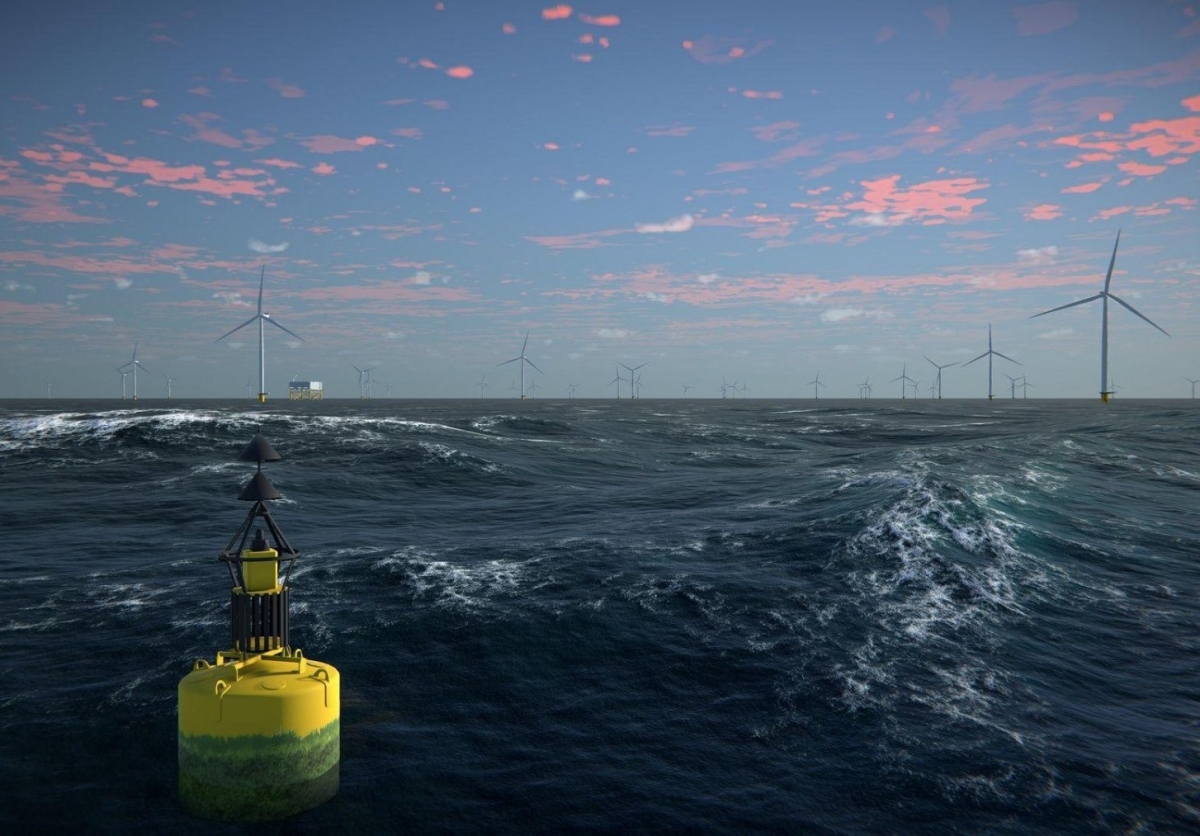
Government Decree 272 and the Practical Implementation of Vietnam's Offshore Wind Power Projects
The issuance of Government Decree 272/2026/NĐ-CP on July 9, 2026, regarding the development of offshore wind power marks a significant milestone in institutional development for a sector considered one of the pillars of Vietnam's energy transition process. However, while institutional frameworks provide necessary conditions, realizing the 6 GW offshore wind target by 2030 as stipulated in the adjusted Power Development Plan VIII still faces numerous challenges regarding investor selection, surveys, and actual implementation.
Background and Significance of Decree 272
Decree 272/2026/NĐ-CP emerges in the context of Vietnam's intensified clean energy transition, reduced dependence on fossil fuels, and commitment to achieving net zero emissions by 2050. This represents the most important legal document to date, establishing a comprehensive legal framework for offshore wind power projects, addressing previous obstacles in policies and mechanisms.
This decree replaces Decree 143/2016/NĐ-CP and related guiding documents, featuring several important new provisions:
- Improving procedures for granting Construction Permits and Operation Permits for offshore wind power projects
- Establishing a transparent and efficient competitive bidding mechanism for selecting offshore wind power investors
- Clearly stipulating timelines and approval procedures for project planning
- Developing a preferential pricing framework for offshore wind power, ensuring competitiveness and investment attractiveness
- Defining responsibilities of ministries, sectors, and localities in project implementation
The Role of Offshore Wind in Vietnam's Energy Transition Strategy
Offshore wind power is identified as Vietnam's largest potential renewable energy source, with an estimated total potential capacity of approximately 475 GW, while the total installed onshore wind capacity is expected to reach only about 11-12 GW by the end of 2025.
According to the Ministry of Industry and Trade, offshore wind power offers several superior advantages compared to onshore wind:
- Stronger and more stable wind speeds, increasing installed capacity and reducing variability
- Minimizing impacts on onshore landscapes and land use
- Leveraging vast marine space without competing with other economic sectors
- Modern technology with higher efficiency
Development Goals and Planning
According to the adjusted Power Development Plan VIII, Vietnam aims to achieve 6 GW of offshore wind capacity by 2030 and 47 GW by 2045. To reach these targets, the government has approved the offshore wind power development plan through 2030 with a vision to 2045, identifying 25 potential development areas across the country.
| Indicator | 2025 | 2030 | 2045 |
|---|---|---|---|
| Installed Capacity (GW) | 0.5 | 6 | 47 |
| Power Generation (TWh) | 1.5 | 18 | 141 |
| Share in Total Power Capacity | 0.5% | 3.5% | 15% |
Key priority areas for offshore wind development include:
- Gulf of Thailand (Kien Giang, Ca Mau)
- East Sea (Bac Lieu, Soc Trang, Ben Tre, Tra Vinh)
- Gulf of Tonkin (Quang Ninh, Hai Phong, Thai Binh)
Challenges in Practical Implementation
Despite clearer legal frameworks, implementing offshore wind projects faces numerous significant challenges:
1. Technical and Technological Challenges
- Offshore wind requires modern technology, complex engineering, and high investment costs
- Power transmission systems from offshore to onshore require specialized technical solutions
- Difficulties in surveying and evaluating energy potential in offshore areas
- Impacts of climate change and natural disasters on offshore infrastructure
2. Financial Challenges
- Very high initial investment costs (estimated at 2-3 million USD/MW)
- Significant financial risks due to long implementation times and market volatility
- Difficulties accessing international capital at reasonable costs
- Need for attractive financial mechanisms to attract investors
3. Environmental and Social Challenges
- Impacts on marine ecosystems and biodiversity
- Effects on fishing, oil and gas exploration, and marine tourism activities
- Conflicts of interest among marine economic sectors
- Lack of comprehensive environmental impact assessment studies
Investor Selection and Practical Surveys
While Decree 272 clearly stipulates the competitive bidding mechanism for selecting investors, practical implementation still requires addressing numerous issues:
1. Investor Selection Bidding Process
Decree 272 regulates the competitive bidding for selecting offshore wind power investors through domestic or international open bidding. However, practical implementation faces several difficulties:
- Lack of clear, transparent criteria for evaluating investors
- Complex and time-consuming bidding procedures
- Insufficient detailed guidance on bidding methods and selection criteria
- Limited practical experience among management agencies
2. Project Surveys and Evaluation
Surveying and evaluating offshore wind potential is crucial for effective project implementation. However, this work faces several limitations:
- Sparse offshore wind observation station networks
- Lack of comprehensive, updated wind data
- Shortage of experts experienced in offshore project evaluation
- High survey costs and significant risks for investors
3. International Cooperation
Vietnam needs to strengthen international cooperation to develop offshore wind power:
- Learning from the experience of leading countries like the UK, Germany, and Denmark
- Attracting advanced technology from developed nations
- Seeking strategic partners in the renewable energy sector
- Participating in international initiatives on clean energy
Conclusion and Prospects
Government Decree 272/2026/NĐ-CP represents a significant step in establishing a legal framework for offshore wind power in Vietnam. However, achieving the 6 GW offshore wind target by 2030 requires coordinated efforts from the government, ministries, sectors, localities, and businesses.
Addressing challenges in technology, finance, environment, and investor selection processes will determine the pace of offshore wind project implementation. Simultaneously, strengthening international cooperation, workforce training, and investment in research and development is essential to build a sustainable offshore wind industry.
If implemented effectively, offshore wind power will not only contribute to Vietnam's energy transition and carbon reduction commitments but also serve as a growth driver for the marine economy, create jobs, and promote sustainable development.
Hashtag: #Decree272 #offshorewind #energytransition #PowerDevelopmentPlanVIII #renewableenergy #Vietnam