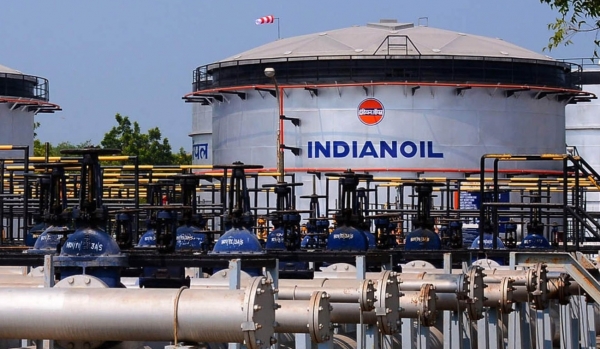
India's Rise as a Global Oil Refining Powerhouse: Reshaping the Energy Landscape
In an era of global energy market volatility, India has emerged as one of the world's largest oil refining centers. Despite importing over 90% of its crude oil requirements, the nation now operates 23 refineries with a combined processing capacity of approximately 5-6 million barrels per day. This remarkable transformation positions India as a critical player in the global energy value chain and a key influencer in international oil markets.
The Evolution of India's Oil Refining Industry
India's journey to becoming a refining powerhouse has been nothing short of remarkable. The country's refining sector has undergone significant modernization and expansion over the past two decades, transitioning from a domestic-focused industry to a globally competitive refining hub. This evolution has been driven by strategic investments, favorable geographical positioning, and economic policies designed to capitalize on India's strengths in the global energy market.
The development of India's refining capabilities represents one of the most significant transformations in the global oil industry in recent decades. What was once a nation heavily dependent on refined petroleum product imports has now become a net exporter of petroleum products, with exports reaching approximately 2.5 million barrels per day in recent years.
Current State of India's Oil Refining Sector
The Indian oil refining industry has achieved impressive milestones in recent years, particularly in terms of modernization and infrastructure expansion. Below are the key highlights of this burgeoning sector:
- Refinery Count: 23 operational refineries across the country
- Processing Capacity: 5-6 million barrels per day
- Crude Oil Import Dependency: Over 90% of requirements
- Petroleum Product Exports: Approximately 2.5 million barrels per day
- Industry Contribution: Accounts for about 40% of India's total exports
The Indian refining sector is characterized by a mix of public and private sector operations, with major players including Indian Oil Corporation, Reliance Industries, and Hindustan Petroleum. These companies have invested billions in expanding and upgrading their refining facilities to meet both domestic and international demand.
Key Factors Behind India's Refining Success
Several critical factors have contributed to India's emergence as a global refining center:
- Strategic Geographical Location: India occupies a pivotal position between major global oil shipping routes, including the Strait of Hormuz and the Malacca Strait. This location provides logistical advantages for importing crude oil and exporting refined products to key markets in Asia, Europe, and Africa.
- Competitive Production Costs: Lower labor and operational costs compared to many developed nations have enabled Indian refineries to maintain competitive pricing in global markets. This cost advantage has been particularly crucial in capturing market share in price-sensitive regions.
- Technological Advancements: Significant investments in state-of-the-art refining technologies have enhanced the efficiency and flexibility of Indian refineries. Modern facilities can process a variety of crude oil types and produce high-quality petroleum products that meet international specifications.
- Favorable Regulatory Environment: The Indian government has implemented policies designed to attract investment in the refining sector, including tax incentives, streamlined approval processes, and special economic zones with infrastructure support.
- Growing Domestic Market: While exports are significant, India's rapidly expanding domestic market provides a stable foundation for the refining industry. The country's growing middle class and increasing vehicle ownership drive steady demand for petroleum products.
Comparative Analysis: India's Refining Capacity
To better understand India's position in the global refining landscape, consider the following comparison with other major refining nations:
| Country | Daily Refining Capacity (million barrels) | Key Export Markets |
|---|---|---|
| United States | 18.0 | North America, Europe |
| China | 16.5 | Asia, Domestic Market |
| Russia | 6.8 | Europe, Asia |
| India | 5.6 | Asia, Africa, Europe |
| South Korea | 3.2 | Asia, North America |
Challenges Facing India's Oil Refining Industry
Despite its impressive achievements, India's oil refining sector faces several significant challenges that could impact its future growth and competitiveness:
- Heavy Crude Oil Import Dependency: India's refineries are designed to process heavy crude oil, which constitutes the majority of its imports. This creates vulnerability to supply disruptions and price fluctuations in the heavy crude market. The country's refining infrastructure is less optimized for processing lighter, more expensive crude grades.
- Global Oil Price Volatility: The international oil market's inherent volatility directly impacts refining margins and profitability. Sudden price swings can disrupt long-term investment plans and operational strategies for Indian refiners.
- Environmental Regulations: Increasing global and domestic environmental regulations are requiring significant investments in pollution control and carbon reduction technologies. These compliance costs add to the financial burden on refiners.
- Geopolitical Risks: India's strategic location also exposes its refining sector to geopolitical tensions in the region, including potential disruptions in key shipping lanes and conflicts in oil-producing nations.
- Infrastructure Limitations: Despite the growth in refining capacity, India's infrastructure for transporting crude oil and refined products remains a bottleneck in some regions, limiting operational efficiency.
- Technological Disruption: The global energy transition toward renewable sources and electric vehicles poses a long-term challenge to the demand for traditional petroleum products, requiring Indian refiners to diversify their product portfolios.
Future Outlook and Strategic Initiatives
Looking ahead, India's oil refining industry is poised for continued growth and increased global influence. The government has outlined several strategic initiatives to further strengthen the sector:
- Capacity Expansion: Plans are underway to add approximately 1.2 million barrels per day of new refining capacity by 2027, including the expansion of existing facilities and the development of new greenfield projects.
- Technology Upgradation: Significant investments are being directed toward upgrading refining technologies to improve efficiency, flexibility, and environmental performance. This includes adopting advanced hydrocracking and coking technologies to maximize high-value product yields.
- Diversification of Crude Sources: Efforts are being made to diversify crude oil import sources to reduce dependency on any single region and mitigate geopolitical risks.
- Product Portfolio Optimization: Refiners are shifting their focus toward producing higher-value products such as petrochemicals and specialty lubricants to improve profitability and adapt to changing market demands.
- Sustainability Initiatives: Indian refiners are increasingly investing in renewable energy integration, carbon capture technologies, and circular economy approaches to reduce their environmental footprint.
India's Strategic Position in Global Energy Trade
India's emergence as a refining powerhouse has significantly altered the dynamics of global energy trade. The country's strategic location between major oil-producing regions and consumer markets has positioned it as a natural "refining hub" for Asia and beyond. This transformation has several implications for the global energy landscape:
- Redefined Trade Routes: Indian refining has created new trade patterns, with crude oil flowing from the Middle East and Africa to India, and refined products moving to markets in East Asia, Africa, and Europe.
- Price Influence: As one of the largest exporters of refined petroleum products, India's refining capacity and operational decisions now influence global product prices and regional supply dynamics.
- Energy Security Enhancement: The ability to process imported crude into value-added products has enhanced India's energy security by reducing its dependence on imported refined products.
- Regional Economic Integration: India's refining exports have strengthened economic ties with neighboring countries and key trading partners, creating new avenues for regional cooperation.
Key Performance Indicators of India's Refining Sector
The following table presents key performance indicators that highlight the significance of India's refining industry in the global context:
| Indicator | India's Performance | Global Ranking |
|---|---|---|
| Total Refining Capacity | 5-6 million barrels/day | 4th globally |
| Petroleum Product Exports | 2.5 million barrels/day | 2nd globally |
| Complexity Index (Average) | 11.2 | Above global average |
| Refining Margins (2023) | $8-12/barrel | Competitive globally |
| Industry Contribution to GDP | 5-6% | Significant |
Conclusion: India's Enduring Role in Global Energy
India's transformation into a global oil refining center represents one of the most significant developments in the energy sector of the 21st century. Despite challenges related to crude dependency, environmental regulations, and the global energy transition, the country's strategic advantages and ongoing investments position it for continued growth and influence.
The Indian refining sector has demonstrated remarkable resilience and adaptability, evolving from a domestic-focused industry to a globally competitive player that shapes international energy trade flows. As the world navigates the complex transition toward a more sustainable energy future, India's refining expertise and infrastructure will likely play a crucial role in meeting the world's energy needs while facilitating the integration of renewable sources.
With planned capacity expansions, technological upgrades, and strategic positioning, India is not merely participating in the global refining industry—it is actively reshaping it, creating new opportunities for economic growth, and enhancing its status as a key player in the international energy landscape.
#EnergyIndustry #OilRefining #GlobalTrade #IndiaEconomy #PetroleumIndustry