South Korea Redirects Oil Shipping from Strait of Hormuz to Red Sea
In the context of escalating conflicts in Iran disrupting shipping through the Strait of Hormuz since early March, South Korea is increasingly utilizing the Red Sea route and the Yanbu export port in Saudi Arabia to load crude oil and transport it to Asia. This strategic shift represents a significant adaptation in global energy logistics amid geopolitical tensions that threaten one of the world's most critical maritime chokepoints.
Geopolitical Conflict and Its Impact on Oil Transportation
The Strait of Hormuz, one of the world's most vital maritime passages, has become a hotspot since the outbreak of the Iran conflict. This strategic waterway serves as a lifeline for oil transportation to many Asian nations, including South Korea—one of Asia's largest economies and a major regional energy importer. The instability in this critical passage has created significant challenges for global energy supply chains, particularly for nations heavily dependent on Middle Eastern oil.
Prior to the onset of the Iran conflict, South Korea relied on shipments passing through the Strait of Hormuz for approximately 61% of its crude oil imports and 54% of its naphtha imports. This heavy dependency created substantial vulnerabilities when the route became compromised, prompting immediate strategic reassessment by South Korean policymakers and energy industry stakeholders.
Strategy for Diversifying Oil Supply Sources
In response to the evolving situation, South Korea has actively sought to diversify its crude oil supply not only from producers outside the Middle East but also through the alternative Red Sea route. Saudi Arabia, one of the world's largest oil exporters, has redirected a substantial portion of its oil exports through this route in the context of disruptions and threats to commercial shipping within and around the Strait of Hormuz.
This diversification strategy aligns with global energy security trends, where nations are increasingly seeking to mitigate geopolitical risks by developing multiple supply routes and reducing dependence on single chokepoints. The Red Sea alternative offers a more secure passage for South Korean oil tankers, albeit with its own set of challenges and considerations.
Initial Success of the Red Sea Route
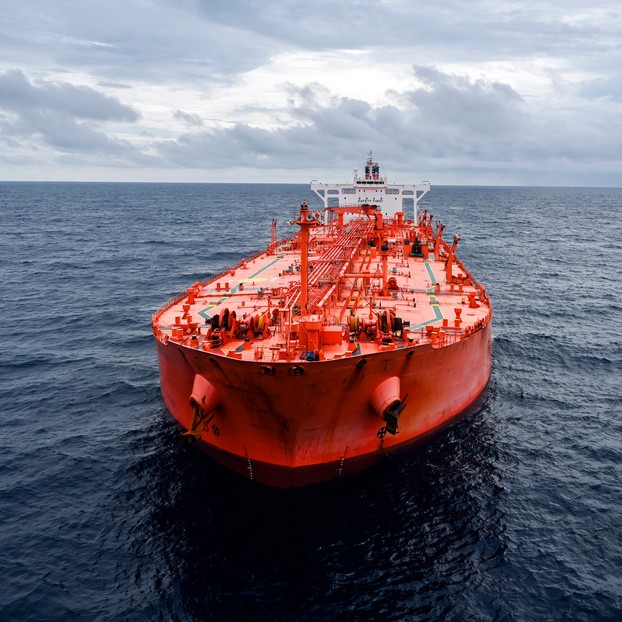
Last Friday, South Korea's Ministry of Oceans and Fisheries announced that a South Korean oil tanker had successfully navigated the Red Sea and was en route to Asia. This marked the 14th such shipment of South Korean crude oil utilizing this alternative route since Middle East conflicts disrupted most commercial shipping through the Strait of Hormuz.
Details provided indicate that the oil tanker loaded crude oil at Yanbu port in Saudi Arabia on the Red Sea before traversing the Red Sea and heading toward South Korea. The ministry noted that they are not providing extensive details about the vessel's movements due to security concerns. In a statement carried by the Yonhap news agency, the ministry emphasized: "The government considers using the Red Sea route as the most practical option at present, as the Strait of Hormuz remains unstable."
Potential Risks to the New Route
However, South Korea's new route for transporting Saudi Arabian oil to Asia may face potential threats as reports indicate that Houthi rebels with ties to Iran are awaiting approval from Iran's Islamic Revolutionary Guard Corps (IRGC) to close the Bab el-Mandeb strait and disrupt export activities through the Red Sea. This critical passage connects the Red Sea to the Gulf of Aden and represents another potential chokepoint in global energy transportation networks.
The Bab el-Mandeb strait sees approximately 4.8 million barrels of oil pass through it daily, making it another vital artery in global energy supply chains. Should this strait be compromised, South Korea's alternative route could face similar challenges to those that made the Strait of Hormuz untenable.
Economic Impact Analysis
This strategic shift carries significant implications for South Korea's energy-dependent economy. Diversifying supply sources helps mitigate geopolitical risks and ensures national energy security. According to energy experts, while changing shipping routes may increase short-term logistics costs, it will ultimately help South Korea develop a more flexible and sustainable crude oil import system.
The economic implications extend beyond transportation costs to include potential changes in pricing structures, insurance premiums, and contractual arrangements with oil producers. The diversification strategy may also influence South Korea's broader foreign policy and international economic partnerships, potentially strengthening ties with non-Middle Eastern energy producers.
Future Outlook
Against the backdrop of continuing complex developments in the Middle East, many Asian nations are considering alternative options to ensure energy security. South Korea may continue to expand its network of relationships with oil producers in other regions such as Africa, the Americas, and Russia to reduce Middle Eastern dependence.
This strategic redirection of oil shipping reflects the growing geopolitical challenges in the global energy sector. In this context, diversifying supply sources and transportation routes is no longer merely a choice but has become an urgent requirement for major energy-importing nations worldwide.
Comparison of Crude Oil Import Percentages Before and After Conflict
| Supply Source | Pre-Conflict (%) | Post-Conflict (%) |
|---|---|---|
| Strait of Hormuz | 61% | Significantly Reduced |
| Red Sea (Yanbu) | Minimal | Rapidly Increasing |
| Other Sources | 39% | Increased to Compensate |
The strategic redirection of South Korea's oil shipping underscores the increasing geopolitical challenges in the global energy sector. In this context, diversifying supply sources and transportation routes has transitioned from being a strategic option to an urgent requirement for major energy-importing nations worldwide. As energy security becomes increasingly intertwined with national security, we can expect continued innovation in logistics and supply chain management as nations adapt to an increasingly complex geopolitical landscape.