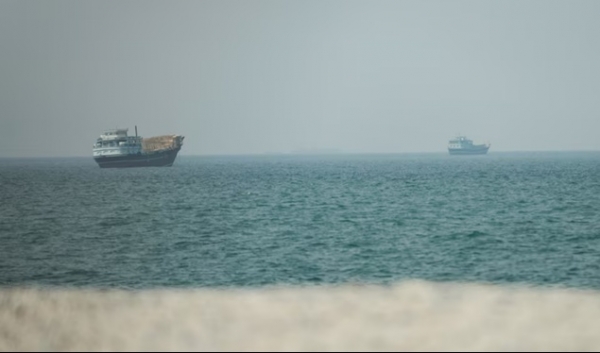
Sharp Decline in Oil Tanker Traffic Through Strait of Hormuz Alarms Energy Security
July 13, 2023 - Latest shipping data reveals a significant drop in oil tanker traffic through the Strait of Hormuz, reaching its lowest level in two months. This decline reflects escalating geopolitical tensions and growing concerns about maritime security in this strategically vital waterway.
Escalating Geopolitical Tensions
The Strait of Hormuz, a critical maritime chokepoint through which approximately one-third of the world's seaborne oil trade passes, is witnessing increasing instability in recent weeks. Heightened tensions between the United States and Iran, coupled with a series of attacks on commercial vessels, have compelled shipping companies to reconsider their routes and operational plans.
According to statistics from shipping firms and maritime surveillance agencies, at least three separate attacks have been reported in the first week of July alone, raising serious concerns about maritime security along this crucial energy corridor.
Strait of Hormuz Traffic Statistics
| Time Period | Daily Vessel Count | Change from Average | Oil Transport Volume (million barrels/day) |
|---|---|---|---|
| July 13, 2023 | 12 | -35% | 15.2 |
| June 2023 Average | 18.5 | - | 23.4 |
| 2022 Annual Average | 20.2 | - | 25.6 |
The decline represents a significant reduction in the volume of oil reaching global markets through this strategic passage. With approximately 20 million barrels of oil passing through the strait daily under normal conditions, the current reduction of over 8 million barrels daily represents a substantial disruption to global supply chains.
Impact on Global Energy Markets
The reduction in oil tanker traffic through the Strait of Hormuz has immediately impacted global energy markets. Oil prices rose modestly during trading on July 13, reflecting concerns about potential supply disruptions.
"The Strait of Hormuz transports about 30% of the world's oil production. Any disruption to this vital route can significantly impact global oil prices," commented an energy market analyst at a major investment fund in London.
Brent crude futures increased by 1.8% to reach $78.45 per barrel, while West Texas Intermediate (WTI) climbed 1.5% to $74.28 per barrel. The market reaction indicates the sensitivity of energy prices to geopolitical developments in the Middle East.
Analysis of Alternative Transportation Routes
In response to the deteriorating security situation, various nations and energy companies are evaluating alternative options to ensure supply security:
- Increased utilization of the Saudi Arabia-to-Red Sea pipeline system
- Expansion of the Trans-Alaska Pipeline System (TAPS) capacity
- Diversification of oil imports from other regions such as Africa, Latin America, and the United States
- Strategic petroleum reserve releases by major consuming nations
- Increased investment in rail and pipeline networks in Europe and Asia
Energy analysts suggest that while these alternatives exist, they cannot fully compensate for the loss of the Strait of Hormuz route in the short term due to capacity limitations and logistical challenges.
International Reactions
Major international powers are closely monitoring the situation in the Strait of Hormuz. The United States has increased its naval presence in the region, with the USS Harry S. Truman carrier strike group conducting exercises in the Arabian Sea. Meanwhile, Iran has asserted its readiness to defend national interests, warning against what it describes as "provocative actions" by foreign powers.
The United Nations has expressed concern about the deteriorating security situation and called on all parties to exercise restraint and avoid actions that could escalate into larger conflicts. The International Maritime Organization (IMO) has issued advisory notices to shipping companies operating in the region.
Comparison of Major Oil Transport Routes
| Maritime Route | Global Oil Transport Share | Risk Level | Recent Traffic Change |
|---|---|---|---|
| Strait of Hormuz | 30% | High | -35% |
| Straits of Malacca | 25% | Moderate | +2% |
| Suez Canal | 15% | Moderate | +5% |
| Bosporus Strait | 10% | Low | 0% |
The data reveals that while other routes are experiencing stable or increased traffic, the significant reduction through Hormuz underscores the unique vulnerability of this critical waterway to geopolitical tensions.
Future Projections
Market analysts project that the situation in the Strait of Hormuz may remain tense in the coming months, particularly as nuclear negotiations with Iran remain stalled. Several investment banks have revised their oil price forecasts upward for the third quarter of 2023, citing the heightened security risks in the region.
"We expect oil prices to continue facing upward pressure in the short term, especially if security conditions in the Strait of Hormuz do not improve," stated a recent report from a major international investment bank.
Energy consulting firms are warning that prolonged disruptions could lead to a more structural shift in global oil trade patterns, with potentially lasting implications for regional economies and international relations.
Broader Implications
The sharp decline in oil tanker traffic through the Strait of Hormuz not only signals geopolitical instability but also highlights the fragility of global energy supply chains. As the world transitions toward renewable energy, disruptions to critical pathways like Hormuz continue to have profound impacts on the global economy.
Energy security experts emphasize that nations and energy companies must diversify their supply sources and develop alternative routes to mitigate risks in the context of ongoing political uncertainties in the Middle East. The current situation serves as a reminder of the interconnected nature of global energy markets and the far-reaching consequences of regional conflicts.
The International Energy Agency (IEA) has urged member countries to maintain strategic petroleum reserves and consider coordinated responses to potential supply disruptions, while simultaneously accelerating the transition to more sustainable energy sources to reduce long-term vulnerabilities.
Conclusion
The dramatic reduction in oil tanker traffic through the Strait of Hormuz represents a significant challenge to global energy security. As geopolitical tensions continue to simmer in this critical region, the international community faces the dual challenge of addressing immediate supply concerns while working toward more resilient and sustainable energy systems for the future.
The situation underscores the continued importance of maritime security in an era of energy transition and highlights the need for diplomatic solutions to prevent further escalation that could impact global markets and economic stability.