Tax Reform: Strategic Lever for Business Growth
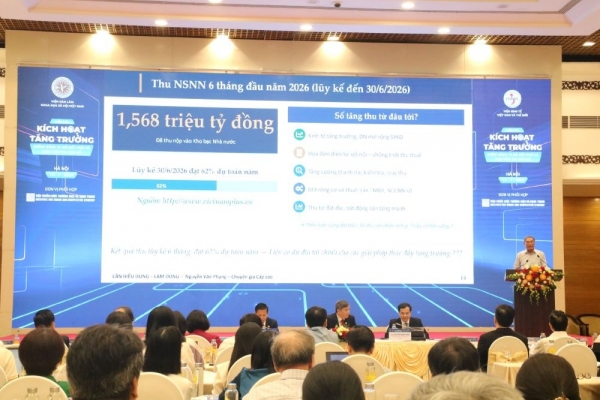
On July 14, at the "Activating Growth: Micro Policy Breakthroughs and Double-Digit Growth Targets" forum, Mr. Nguyen Van Phung, former Head of the Large Enterprise Tax Management Department under Vietnam's Ministry of Finance, presented one of the most significant proposals aimed at fostering business growth. He emphasized that tax reform should not merely focus on reducing tax rates, but must concentrate on cutting tax time and the costs arising from administrative procedures.
Current Challenges Facing Businesses
Mr. Nguyen Van Phung highlighted that many businesses currently face burdens from complex administrative procedures, coupled with overlapping policy implementations. These issues not only increase costs for enterprises but also affect their competitiveness in the market.
- Administrative Procedures: Businesses must complete numerous complex steps to fulfill their tax obligations.
- Inspections and Audits: Increased inspection activities sometimes lead to unnecessary difficulties for businesses.
- Policy Overlap: Inconsistent regulations between different agencies can create compliance challenges for enterprises.
- Compliance Burden: The time and resources spent on tax compliance divert focus from core business activities.
- Cash Flow Constraints: Complex tax requirements can impact working capital and financial planning.
Comprehensive Reform Proposals
To alleviate the burden on businesses, Mr. Phung proposed several specific measures that address both the financial and administrative aspects of tax compliance:
| Reform Measure | Primary Objective | Expected Impact |
|---|---|---|
| Reduction of Tax Rates | Decrease direct financial costs for businesses | Improved profit margins and increased investment capacity |
| Cutting Administrative Procedures | Save time and resources for businesses | Enhanced operational efficiency and reduced compliance costs |
| Simplification of Inspection Processes | Minimize unnecessary risks and associated costs | Reduced disruption to business operations and more efficient resource allocation |
| Unification of Regulations Across Agencies | Increase transparency and ease of policy implementation | Improved compliance rates and reduced legal uncertainty |
| Digitalization of Tax Administration | Modernize tax reporting and payment systems | Faster processing times and reduced errors in tax compliance |
The Strategic Importance of Tax Reform
The reduction of tax time and administrative procedure reform not only helps businesses save costs but creates room for investment and business expansion. This is particularly crucial in the current economic context, where many enterprises face significant challenges from both domestic and international markets.
Mr. Phung affirmed that if these proposals are implemented, they would create a more favorable business environment, enabling enterprises to focus on product and service development, thereby contributing positively to national economic growth.
This approach represents a necessary step toward achieving double-digit growth targets in the coming period, while also aligning with the sustainable development orientation of the economy. The reform addresses both immediate needs and long-term structural improvements in Vietnam's business ecosystem.
International Context and Best Practices
Vietnam's tax reform proposals align with global trends in business-friendly taxation. According to recent World Bank data, countries that have successfully implemented comprehensive tax reforms have seen:
- Improved rankings in the Ease of Doing Business index
- Increased foreign direct investment inflows
- Higher levels of business satisfaction with tax administration
- Stronger SME growth rates
The Vietnamese government has recognized these trends and is working to adopt best practices while maintaining the unique characteristics of its economic system. The proposed reforms strike a balance between fiscal responsibility and business support.
Implementation Challenges and Considerations
While the reform proposals offer significant potential benefits, their implementation presents several challenges:
- Ensuring adequate government revenue while reducing tax burdens
- Building consensus among various government agencies
- Developing appropriate digital infrastructure for streamlined tax administration
- Creating effective transition mechanisms for affected businesses
- Monitoring and evaluation systems to measure reform effectiveness
Addressing these challenges will require careful planning, stakeholder engagement, and a phased approach to implementation to ensure sustainable outcomes.
Economic Impact Projections
Economic modeling suggests that comprehensive tax reform could yield significant benefits for Vietnam's economy:
| Economic Indicator | Current Status | Projected Impact of Reform |
|---|---|---|
| Annual GDP Growth | 5-6% | Potential increase of 1-2 percentage points |
| Business Registration Rate | Approx. 100,000 annually | 20-30% increase in new businesses |
| Compliance Costs | Approx. 15% of tax revenue | Reduction by 30-50% |
| SME Contribution to GDP | Approx. 40% | Potential increase to 45-50% |
Conclusion and Future Outlook
Tax reform and the reduction of administrative burdens for businesses are urgent solutions that not only help enterprises operate more efficiently but also contribute to the overall development of the economy. These proposals require serious consideration and implementation to create positive changes in Vietnam's tax system and business management framework.
The success of these reforms will depend on their comprehensive nature, implementation timeline, and ongoing evaluation. By addressing both the financial and administrative aspects of tax compliance, Vietnam can create a more competitive business environment that supports both domestic enterprises and foreign investors.
As Vietnam aims to achieve double-digit economic growth and integrate more deeply into the global economy, these tax reforms represent a critical component of its economic strategy. The potential benefits—increased investment, job creation, and economic diversification—make this reform agenda not just desirable, but essential for Vietnam's future economic prosperity.