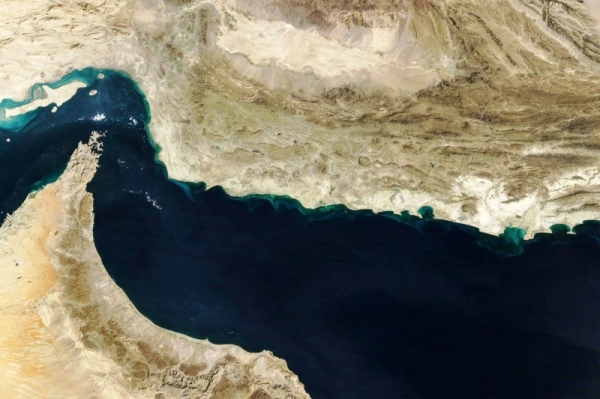
Rising Tensions: Oil and LNG Ships Collectively Disable Tracking Systems in Strait of Hormuz
The Strait of Hormuz, one of the world's most strategic maritime chokepoints, has become the focal point of geopolitical tensions as oil and liquefied natural gas (LNG) carriers collectively disable their Automatic Identification System (AIS) to avoid tracking. This action reflects the heightened risk levels in an already volatile region.
The AIS System: Critical Maritime Tracking Technology
The Automatic Identification System (AIS) is a maritime tracking system using VHF radio frequencies to enable vessels to exchange information about position, course, speed, and other data with each other and with coastal control stations. The system is designed to enhance maritime safety, particularly in congested sea lanes like the Strait of Hormuz.
Commercial vessels are typically required to keep AIS activated continuously, but in dangerous situations, captains may disable the system to avoid surveillance or potential attacks.
The Situation in the Strait of Hormuz
The Strait of Hormuz is a vital maritime artery through which approximately 20-30% of the world's oil is transported daily. The region has witnessed numerous attacks and vessel seizures in recent years, particularly after the US withdrew from the Iran nuclear deal in 2018 and imposed new sanctions.
According to naval sources and maritime analysis firms, in recent weeks, the number of oil and LNG carriers disabling AIS while transiting the Strait of Hormuz has increased significantly. Some vessels have kept the system disabled for hours at a time, suggesting intentional movement patterns.
Reasons Behind AIS Disabling
Disabling AIS is viewed as a self-defense measure to avoid identification and potential targeting. Key reasons include:
- Avoiding tracking by armed groups or hostile naval vessels
- Preventing potential seizures or harassment
- Enabling vessels to take shorter or more covert routes
- Avoiding detection and targeting during potential attacks
A maritime expert commented: "When vessels turn off AIS, they essentially disappear from maritime maps. This can help them avoid unwanted attention, but simultaneously increases collision risks as other vessels cannot detect their actual positions."
Notable Incidents in the Past
AIS disabling is not a new phenomenon in the Strait of Hormuz. In 2019, following a series of oil tanker attacks, many vessels began disabling AIS when transiting the area. Particularly after the 2021 attack on the Mercer Street oil tanker, this trend has become more prevalent.
| Year | Number of AIS-Disabling Incidents Recorded | Year-over-Year Increase |
|---|---|---|
| 2020 | 45 | - |
| 2021 | 112 | +149% |
| 2022 | 178 | +59% |
| 2023 (First Half) | 156 | +75% (compared to same period in 2022) |
Impact on Maritime Safety and Regional Security
Widespread AIS disabling raises significant concerns for maritime safety:
- Increased collision risk as vessels cannot detect each other
- Limited emergency response capabilities when incidents occur
- Reduced effectiveness of search and rescue operations
- Creates conditions for illegal activities like smuggling and tax evasion
From a security perspective, this action:
- Reflects growing instability in the region
- May indicate secret transportation plans
- Increases potential for conflict due to lack of transparency
Reactions from Nations and Organizations
The US Navy and other naval forces in the region have increased patrols to ensure maritime security. However, monitoring vessels with disabled AIS presents a significant challenge.
The International Maritime Organization (IMO) has expressed concern about this trend and called on nations to enhance cooperation to ensure maritime safety. The IMO has acknowledged, however, that in dangerous situations, captains have the authority to decide on AIS usage.
Impact on Energy Markets
With the Strait of Hormuz being a critical artery for global energy supplies, this situation could affect markets:
- Higher shipping costs due to increased risks
- Disruptions in oil and LNG supplies
- Higher oil prices due to supply security concerns
- Changes in shipping routes, increasing time and costs
Maritime insurance companies have increased premiums for routes passing through the Strait of Hormuz, reflecting the heightened risk levels.
Future Outlook
The situation in the Strait of Hormuz is likely to remain tense amid ongoing geopolitical tensions between Iran and the West. Vessels continuing to disable AIS may become the new norm if the situation doesn't improve.
Experts forecast that:
- Shipping companies will continue to prioritize safety over AIS compliance
- New technologies may be developed to monitor vessels with disabled AIS
- More effective international cooperation mechanisms are needed to ensure maritime security
Conclusion
The collective disabling of AIS by oil and LNG carriers in the Strait of Hormuz is a clear indication of the increasing instability in this strategic region. While understandable from a safety perspective, this action poses significant risks to maritime safety and regional security. Long-term solutions require reduced geopolitical tensions and more effective international cooperation to ensure this vital maritime route continues to operate safely and stably.
Below is a summary of notable incidents in the Strait of Hormuz in recent years:
| Time | Incident | Affected Vessel | Impact |
|---|---|---|---|
| May 2019 | Oil tanker attack | Ambrian Star | Hull damage |
| June 2019 | Vessel seizure | Stena Impero | Detained for 11 days |
| July 2021 | Drone attack | Mercer Street | 2 crew members killed |
| January 2023 | Vessel seizure | Suez Rajan | Detained for months |
#StraitOfHormuz #NavalSecurity #MaritimeSafety #AIS #Shipping #OilGas #NationalSecurity #Geopolitics