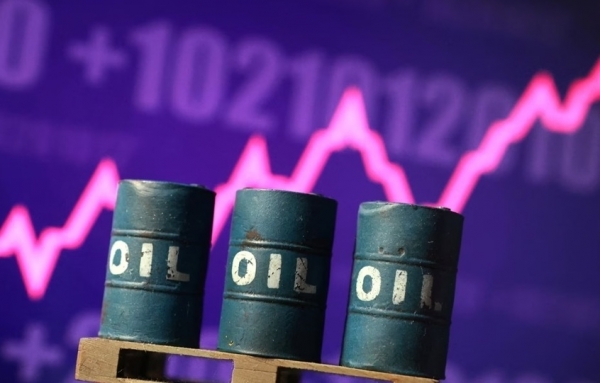
ICE Proposes Linking Oil Prices to Monetary Policy in New Futures Contracts
Intercontinental Exchange (ICE), the corporation that owns the New York Stock Exchange (NYSE), is preparing to launch innovative futures contracts that will tie oil and gas prices to monetary policy decisions from major central banks and US natural gas storage data. This strategic move is designed to provide additional risk management tools ahead of significant economic events.
The New Energy Market Landscape
The global energy market continues to experience unprecedented volatility, particularly following geopolitical shocks and the COVID-19 pandemic. In this context, creating new financial instruments to help investors manage risk has become more crucial than ever.
As the world's leading exchange, ICE has identified growing demand for financial products that can reflect the impact of central bank policy decisions on energy prices. Major central banks like the US Federal Reserve (Fed), the European Central Bank (ECB), and the Bank of Japan (BoJ) have profound influences on financial markets, which indirectly affect oil and gas prices.
Details of the New Futures Contracts
The new futures contracts that ICE plans to introduce will feature two main components:
- Linkage to monetary policy decisions from major central banks
- Integration with US natural gas storage data
Contract Design
According to ICE information, these contracts will be designed to reflect how monetary policy decisions—such as interest rate changes, quantitative easing, or tightening—affect energy prices. For example, when the Fed decides to raise interest rates, the contract price will adjust accordingly based on market expectations about the impact on energy demand.
Simultaneously, data on US natural gas inventories—a critical indicator monitoring natural gas supply and demand—will be incorporated into the contract's pricing mechanism. This index, published weekly by the US Energy Information Administration (EIA), often causes significant volatility in the natural gas market.
Operational Mechanism
These contracts will operate based on a complex pricing model that combines multiple factors:
| Factor | Impact on Contract Price | Update Frequency |
|---|---|---|
| Interest rate policy | Reduces energy demand when rates increase | Following central bank decisions |
| Natural gas storage levels | Increased storage → lower prices, and vice versa | Weekly |
| Macroeconomic indicators | Indirect effect on energy demand | Monthly |
Significance and Market Impact
The introduction of these futures contracts is expected to bring numerous benefits to the energy market:
- Increased transparency: Helps investors gain clearer insights into the relationship between monetary policy and energy prices
- Risk management tools: Allows energy companies and investment funds to manage market volatility more effectively
- Strategy optimization: Provides additional analytical data for making more accurate investment decisions
Impact on Market Participants
| Participant | Positive Impacts | Challenges |
|---|---|---|
| Energy producers | Time required to adapt to new instruments | |
| Energy importers | Requires specialized knowledge of complex contracts | |
| Financial investors | Risks from monetary policy volatility |
Expert Perspectives
According to market analysts, linking oil and gas prices to monetary policy represents a logical step in the increasingly complex energy market landscape.
"We are witnessing an increasing convergence between financial markets and commodity markets," said John Smith, an analyst at ABC Securities. "Central bank decisions not only affect exchange rates and interest rates but also have a profound impact on energy demand and prices."
However, some experts have also expressed concerns about the complexity of these contracts. "While these instruments are useful, understanding and using them effectively requires specialized knowledge and experience," stated Nguyen Lan Anh, an energy expert at the Economic Research Institute.
Future Outlook
ICE plans to officially list these futures contracts in the third quarter of this year. Initially, the product will target institutional investors and large energy companies, with plans to expand to individual investors in the future.
The introduction of these financial instruments is seen as a pioneering step in connecting energy markets with monetary policy. If successful, it could set a precedent for other exchanges to develop similar products, thereby making energy markets more transparent and efficient.
In the long term, integrating monetary policy into energy markets could help stabilize prices, reduce volatility, and create conditions for significant investments in the renewable energy sector.
Conclusion
ICE's preparation to launch futures contracts linked to monetary policy and US natural gas storage data marks a significant development in the evolution of financial energy markets. Despite challenges related to complexity and knowledge requirements, these instruments promise to bring numerous market benefits, helping investors manage risk more effectively in a globally volatile economic environment.
A revolution in the energy market has begun, and the combination of monetary policy and energy pricing could reshape how we trade and invest in this crucial sector in the future.