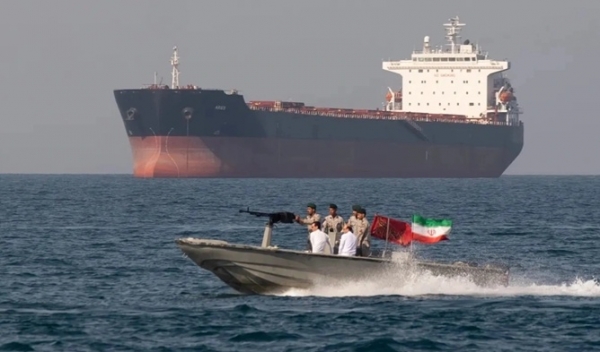
Middle East Tensions Escalate as Iran Asserts Control Over Strategic Strait of Hormuz
In a significant development that has sent ripples through global energy markets and geopolitical circles, Iran has forcefully asserted its continued control over the Strait of Hormuz, one of the world's most critical maritime chokepoints. This declaration comes amid heightened tensions in the Middle East, raising concerns about potential disruptions to global oil supplies and regional stability.
The Strategic Importance of the Strait of Hormuz
The Strait of Hormuz, a narrow waterway between Iran and Oman, serves as the sole maritime passage connecting the Persian Gulf with the Gulf of Oman and the Arabian Sea. This strategic channel is indispensable for global energy markets, with approximately 20% of the world's traded oil passing through its waters daily. The strait's significance extends beyond mere geography—it represents a vital economic lifeline for numerous nations and a critical component of international energy security.
Beyond oil, the strait facilitates the transport of liquefied natural gas (LNG), with Qatar, the world's largest LNG exporter, relying heavily on this route. The economic stakes are exceptionally high, with an estimated $1 trillion worth of goods transiting the strait annually.
Current Situation: Iran's Assertive Position
Iran's recent declaration regarding its control over the Strait of Hormuz represents a significant escalation in its regional posture. Iranian officials have unequivocally stated that they will maintain sovereignty and operational control over the waterway, dismissing international calls for restraint and highlighting their military capabilities to enforce this position.
"The Strait of Hormuz is under our control, and we will not allow any foreign intervention in this area," stated an Iranian Revolutionary Guard Corps commander during a recent naval exercise in the region. This assertion follows months of increasing naval deployments by Iran in the strait, accompanied by regular warnings to commercial vessels about navigating what Tehran considers its sovereign waters.
Factors Driving Iran's Assertive Stance
Several interconnected factors contribute to Iran's increasingly assertive position regarding the Strait of Hormuz:
- Geopolitical Significance: The strait represents Iran's most significant strategic leverage in its ongoing tensions with Western powers and regional rivals. Control over this waterway provides Iran with substantial diplomatic bargaining power.
- Economic Pressure: Facing severe international sanctions that have crippled its oil exports and economy, Iran views control over the strait as a means to counteract economic pressure and potentially extract concessions.
- Perceived External Threats: Iran perceives increasing military presence by the United States and its allies in the Persian Gulf as hostile, prompting a demonstration of resolve through control of this critical waterway.
- Domestic Politics: The Iranian government uses such assertive foreign policy positions to rally domestic support, projecting strength amid economic challenges and internal dissent.
- Regional Rivalries: The assertion of control over the strait occurs against the backdrop of intensifying competition with regional powers, particularly Saudi Arabia and the UAE, for influence in the Persian Gulf region.
International Reactions and Responses
The international community has responded to Iran's assertions with a mixture of diplomatic warnings, military posturing, and calls for de-escalation. The reactions vary significantly among key stakeholders:
| Country/Entity | Position and Response |
|---|---|
| United States | Has increased naval presence in the region, conducting freedom of navigation operations. The Pentagon has stated its commitment to keeping the strait open and has warned of consequences for any interference with commercial shipping. |
| Saudi Arabia | Expressed serious concern about potential disruptions to oil shipments, calling for international intervention. Has coordinated with the US on security measures and threatened to respond militarily to any threats to maritime security. |
| United Arab Emirates | Advocated for diplomatic solutions and has engaged in behind-the-scenes negotiations with Iran. The UAE has simultaneously enhanced its own naval capabilities to protect its economic interests. |
| European Union | Called for restraint and emphasized the importance of maintaining freedom of navigation. The EU has expressed willingness to mediate but has maintained limited direct engagement with Iran. |
| China | Has urged all parties to resolve differences peacefully, while maintaining close economic ties with Iran. China has expressed concerns about potential disruptions to its energy supplies through the strait. |
Economic Implications and Market Reactions
The assertion of control over the Strait of Hormuz carries profound economic implications, particularly for global energy markets. The potential disruption of oil and LNG supplies through this critical chokepoint has already influenced market dynamics:
- Oil Price Volatility: Brent crude prices have experienced increased volatility, with benchmarks rising by approximately 5-7% in the immediate aftermath of Iran's announcement. Market analysts predict continued uncertainty unless diplomatic progress is made.
- Insurance Premiums: Maritime insurance costs for vessels transiting the strait have increased by as much as 30%, raising transportation costs for oil tankers and commercial shipping.
- Supply Chain Disruptions: Energy-dependent economies in Asia and Europe have begun contingency planning, including evaluating alternative routing options and increasing strategic petroleum reserves.
- Shipping Route Alternatives: While no immediate alternatives exist for supertankers, discussions have resumed regarding potential pipeline projects and overland transport options, though these face significant logistical and economic challenges.
Historical Context: Previous Incidents in the Strait
The current situation echoes several previous crises in the Strait of Hormuz, highlighting the recurring nature of tensions in this strategic waterway:
| Year | Incident | Impact |
|---|---|---|
| 1987-1988 | "Tanker War" between Iran and Iraq during the Iran-Iraq War | Significant disruption to oil shipments, with numerous tankers attacked and sunk. Global oil prices spiked dramatically. |
| 2011-2012 | Iranian threats to close the strait amid Western sanctions | Oil prices rose to $120 per barrel, with US naval deployments increased to deter any closure attempts. |
| 2019 | Iranian forces seized commercial tankers, allegedly for trespassing | Temporary disruption to shipping, with increased insurance costs and heightened regional tensions. |
| 2023 | Current assertion of control and increased naval presence | Ongoing market volatility, increased security costs, and diplomatic tensions affecting global energy markets. |
Geopolitical Ramifications
The situation in the Strait of Hormuz extends beyond immediate economic concerns, with broader geopolitical implications for the Middle East and international relations:
- US-Iran Relations: The strait has become a focal point in the ongoing confrontation between the United States and Iran, with both sides engaging in strategic posturing and military demonstrations.
- Regional Power Dynamics: Iran's assertion of control challenges the established order in the Persian Gulf, where Saudi Arabia and the UAE have traditionally dominated maritime security arrangements.
- International Maritime Law: The situation raises questions about freedom of navigation versus coastal state sovereignty, potentially setting precedents for international maritime law.
- Global Energy Security Architecture: The crisis highlights vulnerabilities in the current global energy security framework, prompting discussions about diversification and alternative supply routes.
Future Scenarios and Potential Outcomes
Several potential scenarios could unfold in the coming weeks and months, each with distinct implications for regional stability and global markets:
- Diplomatic Resolution: International mediation could lead to a de-escalation, with Iran maintaining its claims but refraining from disruptive actions. This scenario would likely result in a gradual return to market stability.
- Protracted Standoff: A sustained period of heightened tensions with periodic incidents could lead to persistent market volatility and increased security costs without significantly disrupting supplies.
- Escalation to Conflict: In the worst-case scenario, military confrontation could lead to strait closure, causing severe global economic disruption and potentially triggering wider regional conflict.
- Strategic Redeployment: Commercial vessels might alter routing patterns, increasing transit times and costs while potentially reducing immediate tensions in the strait itself.
Expert Analysis and Industry Perspectives
Energy security analysts and maritime experts offer varied perspectives on the evolving situation:
"The Strait of Hormuz represents Iran's most potent asymmetric advantage in its confrontation with Western powers," explains Dr. Amina Hassan, a Middle East energy security analyst at the International Institute for Strategic Studies. "While Iran may not desire a full-scale conflict, the threat of disruption provides substantial leverage in negotiations."
From an industry perspective, maritime shipping executives emphasize the practical challenges posed by the current tensions. "We're seeing increased insurance costs and rerouting considerations, but the fundamental reality is that there are no viable alternatives to the Strait of Hormuz for the majority of our fleet," states James Mitchell, CEO of Global Marine Shipping. "Our focus remains on maintaining safe operations while monitoring the geopolitical situation closely."
Conclusion: Navigating Uncertain Waters
Iran's assertion of control over the Strait of Hormuz represents a significant development in Middle East geopolitics with far-reaching implications for global energy markets and international security. The situation underscores the delicate balance between national sovereignty, international maritime law, and the imperative of maintaining open sea lanes for global commerce.
As the international community responds through diplomatic channels, military posturing, and economic measures, the ultimate resolution remains uncertain. What is clear, however, is that the stability of the Strait of Hormuz will continue to be a critical factor in global energy security and geopolitical calculations for the foreseeable future.
The coming weeks will be crucial in determining whether this latest episode represents a temporary flare-up in long-standing tensions or a more permanent shift in the strategic dynamics of the Persian Gulf region. For energy markets, shipping companies, and policymakers worldwide, the situation demands careful monitoring and contingency planning in equal measure.
Middle East #Iran #StraitOfHormuz #EnergySecurity #Geopolitics #OilMarkets