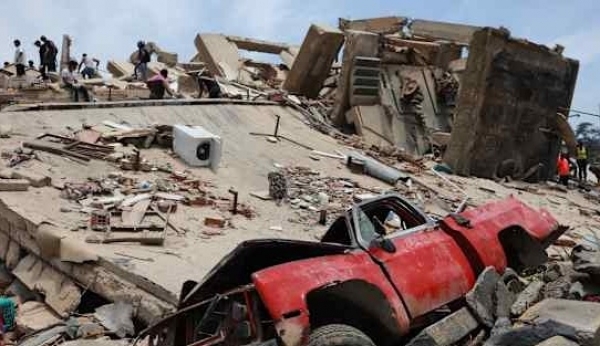
Venezuela Earthquake: Seismic Shock That Could Send Global Fuel Prices Soaring
A powerful earthquake recently struck Venezuela, triggering significant concerns about global oil supply chains and potentially destabilizing international energy markets. Venezuela, one of South America's largest oil producers, has suddenly found itself at the center of attention as the aftermath of this natural disaster threatens to disrupt global fuel supplies, particularly affecting India, which has increasingly become dependent on Venezuelan crude oil.
The Earthquake and Its Immediate Impact on Venezuelan Infrastructure
The earthquake, which registered a substantial magnitude, has caused significant disruption to Venezuela's oil refining operations. Several key oil processing facilities in the region have reported damages and operational interruptions, raising immediate concerns about the nation's ability to maintain its usual production and export levels. The seismic activity has led to emergency shutdowns at multiple refineries, creating bottlenecks in the oil supply chain that could have far-reaching consequences.
Venezuela's oil industry, already operating under challenging economic and political circumstances, now faces additional strain from this natural disaster. The country's primary refining facilities, including those in key industrial zones near the epicenter, have been particularly affected, with preliminary assessments indicating varying degrees of structural damage and equipment malfunction.
Venezuela's Critical Role in Global Oil Markets
Venezuela possesses the world's largest proven oil reserves, making it a crucial player in the global energy landscape. The country typically produces approximately 2.5 million barrels of oil per day, though production has fluctuated in recent years due to various factors including political instability and international sanctions. Despite these challenges, Venezuela remains a significant supplier to several major economies, with its heavy crude oil finding particular demand in specialized refineries.
The country's oil industry is concentrated in several key regions, with the Orinoco Belt representing one of the most important heavy oil reserves globally. The disruption caused by the earthquake has directly impacted operations in these critical areas, potentially reducing Venezuela's ability to meet both domestic and international demand in the coming weeks and months.
Supply Chain Disruptions and Market Implications
The earthquake has created multiple challenges in Venezuela's oil supply chain. Beyond the immediate damage to refining facilities, the disaster has affected transportation infrastructure, including ports, pipelines, and loading terminals. These logistical bottlenecks could significantly delay oil shipments to international markets, creating a temporary supply deficit that may impact global oil prices.
Industry analysts are particularly concerned about the potential for prolonged disruptions. Even if production facilities can be brought back online relatively quickly, the comprehensive assessment of damage and subsequent repairs could take weeks, if not months. This extended recovery period may force importing nations to seek alternative suppliers, potentially leading to increased competition for available oil and upward pressure on prices.
India's Growing Dependency on Venezuelan Crude
India has emerged as one of Venezuela's most important oil importers, with Venezuelan crude accounting for approximately 20% of India's total oil imports in recent years. This dependency has grown as Indian refineries have increasingly invested in upgrading their facilities to process the heavy crude oil that Venezuela produces. Several major Indian refineries have entered into long-term supply agreements with Venezuelan state oil company PDVSA, creating a mutually beneficial relationship that now faces significant uncertainty.
The potential disruption of Venezuelan oil supplies poses several challenges for India:
- Economic Impact: A sudden reduction in Venezuelan oil imports could force India to source more expensive alternatives, potentially widening the country's trade deficit and putting pressure on the rupee.
- Inflationary Pressures: Higher crude oil prices would likely translate to increased fuel prices in India, affecting transportation costs and potentially contributing to broader inflationary pressures.
- Energy Security: India's energy security strategy relies on diverse sources of oil supply. Over-reliance on any single supplier, particularly one facing significant challenges, creates vulnerabilities that the government may need to address.
- Refinery Operations: Indian refineries specifically designed to process Venezuelan heavy crude may face operational challenges if they cannot secure adequate supplies of similar-quality crude from alternative sources.
Market Analysis and Price Implications
Global oil markets have already shown sensitivity to the developing situation in Venezuela. While oil prices had been trending downward in recent weeks due to concerns about global economic slowdown and increased production from other OPEC+ countries, the earthquake in Venezuela has introduced a new variable that could reverse this trend.
Market analysts suggest that the impact on oil prices will depend on several factors:
- The extent and duration of the disruption to Venezuelan production and exports
- The response from other oil-producing nations, particularly OPEC+ members
- The ability of global inventories to absorb the temporary supply deficit
- The broader economic context, including demand from major consuming nations
Historical precedent suggests that significant disruptions in oil supply, even if temporary, can lead to substantial price volatility. The 2010 earthquake in Haiti, though not an oil-producing nation, demonstrated how regional disasters can impact global commodity markets through various indirect channels. Similarly, the 2011 earthquake and tsunami in Japan, a major oil importer, caused temporary price spikes as markets reacted to concerns about reduced demand.
Expert Opinions and Industry Response
Energy industry experts have offered varying assessments of the potential impact of the Venezuelan earthquake. Some analysts believe that the disruption may be relatively short-lived, with Venezuelan production recovering within a few weeks as damaged infrastructure is repaired. Others caution that the political and economic challenges facing Venezuela's oil industry could complicate recovery efforts and prolong the disruption.
Major international oil trading companies have begun adjusting their strategies in response to the developing situation. Some have reportedly increased purchases from alternative suppliers, while others are positioning themselves to take advantage of potential price differentials that may emerge as markets assess the true extent of the disruption.
The Indian government has indicated that it is monitoring the situation closely and has begun exploring options to mitigate potential impacts on its energy security. This may include diversifying import sources, potentially increasing purchases from traditional suppliers such as Saudi Arabia, Iraq, and the United Arab Emirates, as well as considering strategic reserve releases if necessary.
Future Outlook and Monitoring Recommendations
The coming weeks will be critical in determining the full extent of the earthquake's impact on Venezuela's oil industry and global energy markets. Key developments to watch include:
- Assessments of damage to oil infrastructure and estimates of recovery timelines
- Venezuela's ability to secure international technical assistance for repairs
- Responses from other oil-producing nations, particularly OPEC+ members
- Market reactions and price movements in global oil trading hubs
- Policy responses from major importing nations, including India
Energy market participants are advised to maintain heightened vigilance regarding developments in Venezuela and to prepare for potential volatility in oil markets. Companies with exposure to Venezuelan oil should review their supply chain risk management strategies and consider contingency plans to address potential disruptions.
Broader Implications for Global Energy Security
The earthquake in Venezuela highlights the vulnerabilities inherent in global energy systems, particularly when critical supply sources face unexpected challenges. The incident underscores the importance of diversification in energy supply chains and the need for robust contingency planning by both producing and consuming nations.
For India, this situation presents an opportunity to reassess its energy security strategy and potentially accelerate efforts to diversify its oil import sources. The country may also consider increasing investment in domestic renewable energy sources to reduce its overall dependence on imported fossil fuels.
On a global scale, the Venezuelan earthquake serves as a reminder of the interconnected nature of energy markets and how localized events can have far-reaching consequences. As the world continues to transition toward more sustainable energy systems, such incidents may become less impactful as economies reduce their dependence on fossil fuels. However, for the foreseeable future, oil will remain a critical component of the global energy mix, making events like the Venezuelan earthquake significant factors in market dynamics.
Conclusion
The earthquake in Venezuela represents more than just a natural disaster; it has emerged as a potential game-changer in global fuel pricing dynamics. With India's growing dependence on Venezuelan crude oil, the repercussions of this seismic event warrant close monitoring in the coming weeks and months.
As the full extent of the damage becomes clearer and recovery efforts unfold, energy markets will likely experience increased volatility. The ultimate impact on global fuel prices will depend on multiple factors, including the duration of the disruption, the response of other oil-producing nations, and the ability of importing countries to adjust their sourcing strategies.
This situation serves as a stark reminder of the delicate balance of global energy markets and the importance of preparedness in the face of unexpected disruptions. For industry stakeholders, policymakers, and consumers alike, the Venezuelan earthquake highlights the need for vigilance, adaptability, and strategic planning in an increasingly uncertain energy landscape.
| Factor | Potential Impact on Global Energy Markets | Timeframe |
|---|---|---|
| Refinery Damage | Reduced processing capacity, immediate supply constraints | Short-term (days to weeks) |
| Infrastructure Damage | Logistical bottlenecks, delayed shipments | Medium-term (weeks to months) |
| Market Reaction | Price volatility, increased trading activity | Immediate to short-term |
| Producer Response | Potential increased output from other OPEC+ nations | Medium to long-term |
| Importer Adaptation | Sourcing diversification, strategic reserve utilization | Medium to long-term |