US Military Strikes Against Iran Send Shockwaves Through Global Energy Markets
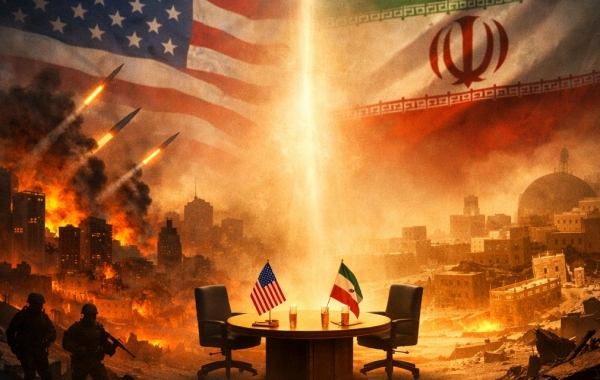
The United States Central Command (CENTCOM) has recently announced military strikes against Iran, marking a significant escalation in tensions following an attack on a commercial vessel in the Strait of Hormuz. This development not only exacerbates geopolitical friction in the Middle East but also raises serious concerns about the stability of global oil markets, potentially leading to widespread economic repercussions.
The Strategic Importance of the Strait of Hormuz
The Strait of Hormuz stands as one of the world's most critical maritime chokepoints, serving as the sole maritime passage for approximately 20% of global crude oil trade. This narrow waterway, connecting the Persian Gulf with the Gulf of Oman, facilitates the transportation of over 17 million barrels of oil daily, making it an indispensable conduit for global energy supplies. The significance of this strategic passage cannot be overstated, as any disruption to maritime traffic through the strait would immediately impact global energy prices and supply chains.
Historically, the Strait of Hormuz has been a flashpoint for geopolitical tensions, with previous incidents including naval standoffs, hijackings, and attacks on commercial vessels. The region's importance has only grown as global energy demands have increased, making security in these waters a paramount concern for international stakeholders.
The Incident and US Military Response
The recent conflict was triggered by an attack on a commercial vessel in the Strait of Hormuz, which the United States attributed to Iranian forces. In response, CENTCOM conducted targeted military strikes against Iranian facilities, citing the necessity to protect commercial shipping lanes and ensure maritime security in the region. The operation, described by US officials as "limited but decisive," aimed to deter further aggression while avoiding a full-scale military confrontation.
According to official statements, the strikes specifically targeted Iranian military infrastructure involved in the attack on the commercial vessel. The Pentagon emphasized that the action was proportional and designed to de-escalate tensions rather than provoke a wider conflict. Nevertheless, the military intervention represents a significant departure from diplomatic efforts and underscores the growing volatility in the region.
Iran's Response and Regional Implications
Iran has vehemently condemned the US military strikes, describing them as "aggressive acts of piracy" and a violation of international law. Iranian officials have pledged to respond appropriately to what they perceive as an unprovoked attack on their sovereign territory. The rhetoric from Tehran suggests a potential for retaliatory measures, which could further destabilize the region.
The international community has reacted with caution, with many nations urging restraint from both sides. The United Nations has called for de-escalation and emphasized the need for diplomatic solutions to resolve the growing crisis. Regional powers, including Saudi Arabia and Israel, have expressed support for the US action, while other nations have called for dialogue to prevent a wider conflict.
Immediate Impact on Global Oil Markets
The news of military strikes in the Strait of Hormuz has triggered immediate reactions in global energy markets. Oil prices experienced significant volatility, with benchmark Brent crude and West Texas Intermediate (WTI) both surging in response to concerns about potential supply disruptions. The following table illustrates the market's immediate reaction:
| Benchmark | Price Before Strikes (USD/barrel) | Price After Strikes (USD/barrel) | Percentage Change |
|---|---|---|---|
| Brent Crude | 78.45 | 84.32 | +7.46% |
| WTI | 74.82 | 79.65 | +6.44% |
The market reaction reflects immediate concerns about potential supply disruptions, given the strait's critical role in global oil transportation. Energy stocks have also experienced significant movement, with exploration and production companies seeing gains while refiners faced pressure due to higher input costs.
Long-term Market Implications
Energy analysts warn that if the situation continues to escalate, the consequences for global oil markets could be profound. The following factors are likely to influence market dynamics in the coming weeks and months:
- Supply Disruption Risks: Prolonged instability in the Strait of Hormuz could lead to actual supply disruptions, as shipping companies might reroute vessels or avoid the area altogether, reducing the effective supply of oil to global markets.
- Price Volatility: The uncertainty surrounding the conflict is likely to result in increased price volatility, creating challenges for both producers and consumers in planning and budgeting.
- Strategic Petroleum Reserves: Major oil-consuming nations may draw from their strategic petroleum reserves to mitigate immediate supply concerns, potentially depleting these reserves and creating longer-term supply challenges.
- Market Diversification: The crisis could accelerate efforts by some countries to diversify their energy sources and suppliers, potentially reducing reliance on oil from the Persian Gulf region.
Historical Context and Precedents
Previous incidents in the Strait of Hormuz have demonstrated how quickly geopolitical tensions can impact global energy markets. In 2019, similar attacks on oil tankers led to a temporary spike in oil prices, while the Iran-Iraq War in the 1980s resulted in a prolonged disruption of oil supplies from the region. The following table compares historical incidents and their market impacts:
| Incident | Year | Duration | Oil Price Impact |
|---|---|---|---|
| Iran-Iraq War tanker attacks | 1984-1988 | 4 years | +100% (peak) |
| Strait of Hormuz mine attacks | 2019 | 2 months | +15% |
| Recent US-Iran tensions | 2023 | Ongoing | +7.5% (initial) |
Expert Analysis and Market Forecasts
Energy market analysts are divided on the potential long-term impact of the current crisis. Some predict that the situation will de-escalate relatively quickly, with limited lasting impact on oil markets. Others warn that the conflict could escalate, leading to more severe market disruptions.
"The immediate market reaction has been significant but contained," noted Dr. Sarah Johnson, energy market analyst at Global Energy Insights. "However, if Iran follows through on its threats of retaliation, we could see a more substantial price increase, potentially reaching $90 per barrel for Brent crude in the coming months."
Meanwhile, the International Energy Agency (IEA) has urged all parties to exercise restraint, emphasizing that geopolitical tensions in the region pose a significant risk to global energy security. The agency has indicated that it is monitoring the situation closely and stands ready to coordinate a response if necessary.
Conclusion: Navigating Uncertain Waters
The military strikes against Iran represent a dangerous escalation in an already volatile region, with potentially far-reaching consequences for global energy markets. While the immediate market reaction has been significant but contained, the situation remains fluid and could evolve rapidly.
For global energy markets, the key challenge lies in navigating this period of uncertainty while preparing for various potential scenarios. Energy producers, consumers, and policymakers must remain vigilant and adaptable as the situation develops, recognizing that the stability of the Strait of Hormuz is inextricably linked to global economic prosperity.
As the world watches these developments unfold, one thing remains clear: the security of energy supply routes in the Middle East will continue to be a critical factor in global geopolitics and market stability for the foreseeable future.