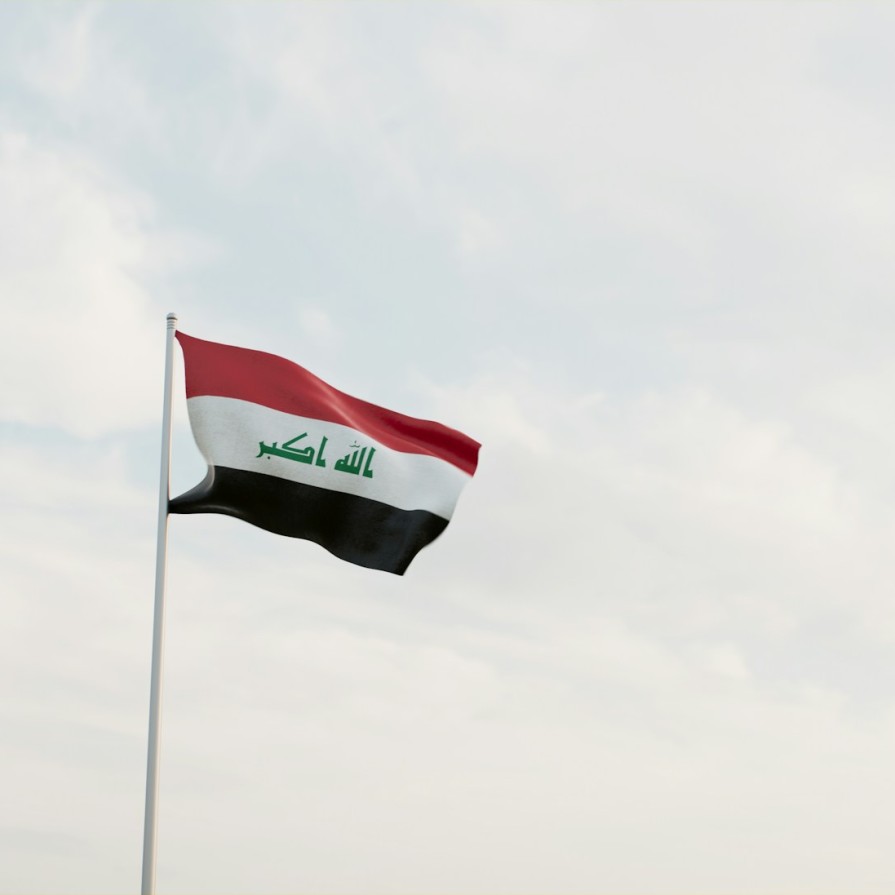
High-Level Energy Negotiations Between Europe and Iraq Following OPEC Exit Threat
In the coming weeks, European officials are expected to travel to Baghdad for high-level negotiations on energy cooperation. This development occurs just hours after Iraq warned that it could leave OPEC if the organization does not grant the country higher production quotas.
Focus on Energy Cooperation
According to sources in Iraq cited by Shafaq News, the discussions will focus on expanding cooperation in Iraq's oil, natural gas, and electricity sectors. Key topics of the negotiations include:
- Associated gas recovery projects
- Enhancing electricity production
- Expanding energy storage capabilities
- Strengthening crude oil export infrastructure
One of the proposals being discussed is helping Iraq achieve self-sufficiency in associated gas production within two years, reducing dependence on imported fuels.
Joint Maritime Fleet Plans
Iraqi officials are also expected to discuss plans to establish a joint maritime fleet with several countries, including the United States, to support crude oil exports.
Warning from Iraq's Ministry of Oil
This diplomatic push comes after Salim al-Rikabi, spokesperson for Iraq's Ministry of Oil, warned that Baghdad could withdraw from OPEC if the group refuses to increase the country's production quotas to better reflect its production capacity and long-term development plans.
Consequences of Iraq Leaving OPEC
According to market analyst Jules Reimer, writing for MarketWatch, Iraq's departure from OPEC would have far greater consequences than the exits of Qatar in 2019 and the UAE earlier this year, as Iraq is OPEC's second-largest producer after Saudi Arabia, with production of approximately 4.5 million barrels per day.
Reimer also noted that estimates from the U.S. Energy Information Administration show that Iraq could increase its production capacity to around 7 million barrels per day by 2029 if OPEC production restrictions were removed. This would create significant opportunities for international oil companies operating in Iraq, including Exxon Mobil, Chevron, and Halliburton, while also causing substantial damage to OPEC's credibility.
New Questions Raised for OPEC
With Iraq being one of the founding members of the organization, its departure would raise new and deeper questions about OPEC's ability to influence global oil prices.
| Country | Crude Oil Production (million barrels/day) | OPEC Member |
|---|---|---|
| Saudi Arabia | 10.5 | Yes |
| Iraq | 4.5 | Yes |
| UAE | 3.0 | Yes |
| Qatar | 0.6 | Yes |
The potential of Iraq leaving OPEC would not only impact the country's economy but would also have profound implications for the global energy market.
Background on Iraq's Oil Industry
Iraq's oil industry has faced numerous challenges over the past decades, including conflicts, infrastructure limitations, and international sanctions. Despite these obstacles, Iraq has managed to significantly increase its oil production since the 2003 invasion, becoming one of the world's top oil producers.
The country's oil reserves are among the largest in the world, estimated at over 140 billion barrels. However, Iraq has struggled to fully develop its oil infrastructure due to various technical, financial, and political constraints.
OPEC's Response and Internal Dynamics
OPEC has been facing increasing challenges to its influence in recent years. The organization, which traditionally managed global oil supply to stabilize prices, has seen its authority eroded by several factors:
- The rise of non-OPEC producers, particularly the United States
- Internal disagreements among member states
- Global shifts toward renewable energy
- The COVID-19 pandemic's impact on oil demand
The potential departure of Iraq, one of the organization's founding members and second-largest producer, would represent a significant blow to OPEC's cohesion and market influence.
Europe's Strategic Interest in Iraqi Energy
Europe's interest in Iraqi energy cooperation comes at a critical time when the continent is seeking to diversify its energy sources beyond traditional suppliers. With the ongoing geopolitical tensions affecting Russian gas supplies and the need to secure long-term energy resources, Iraq represents an attractive partner.
The negotiations could lead to:
- Increased European investment in Iraqi oil and gas infrastructure
- Technology transfer for enhanced oil recovery
- Joint ventures in renewable energy projects
- Security cooperation for energy infrastructure protection
Global Market Implications
If Iraq follows through on its threat to leave OPEC, the global oil market could experience significant volatility. The immediate effects might include:
- Short-term price fluctuations as markets adjust to the news
- Increased production from Iraq as OPEC quotas are no longer binding
- Potential price pressure as global supply increases
- Market reevaluation of OPEC's remaining influence
Long-term implications could include a fundamental shift in how global oil markets are managed, with potentially reduced coordination among major producers and more price volatility.
The Path Forward for Iraq
Iraq faces significant economic challenges, with oil revenues accounting for the majority of government income. The country needs substantial investment in its oil infrastructure to increase production and efficiency. By potentially leaving OPEC, Iraq aims to:
- Maximize its production capacity
- Attract more international investment
- Gain greater control over its energy resources
- Diversify its economic base beyond oil dependence
The upcoming negotiations with Europe represent a strategic opportunity for Iraq to secure partnerships that could support its energy development goals while potentially reducing its reliance on OPEC's production constraints.
Expert Perspectives
Energy analysts are divided on the likelihood of Iraq actually leaving OPEC. Some view the threat as a negotiating tactic to secure higher production quotas, while others believe Iraq may be prepared to follow through if its demands are not met.
"Iraq's position is complex," noted energy economist Dr. Amina Hassan. "While there are clear benefits to leaving OPEC and increasing production, the country also needs the political stability and market coordination that OPEC provides. The decision will likely depend on how negotiations evolve and what concessions OPEC is willing to make."
Regardless of the outcome, the current situation highlights the evolving dynamics of global energy markets and the changing relationships between traditional producers and consumers in an increasingly multipolar energy landscape.