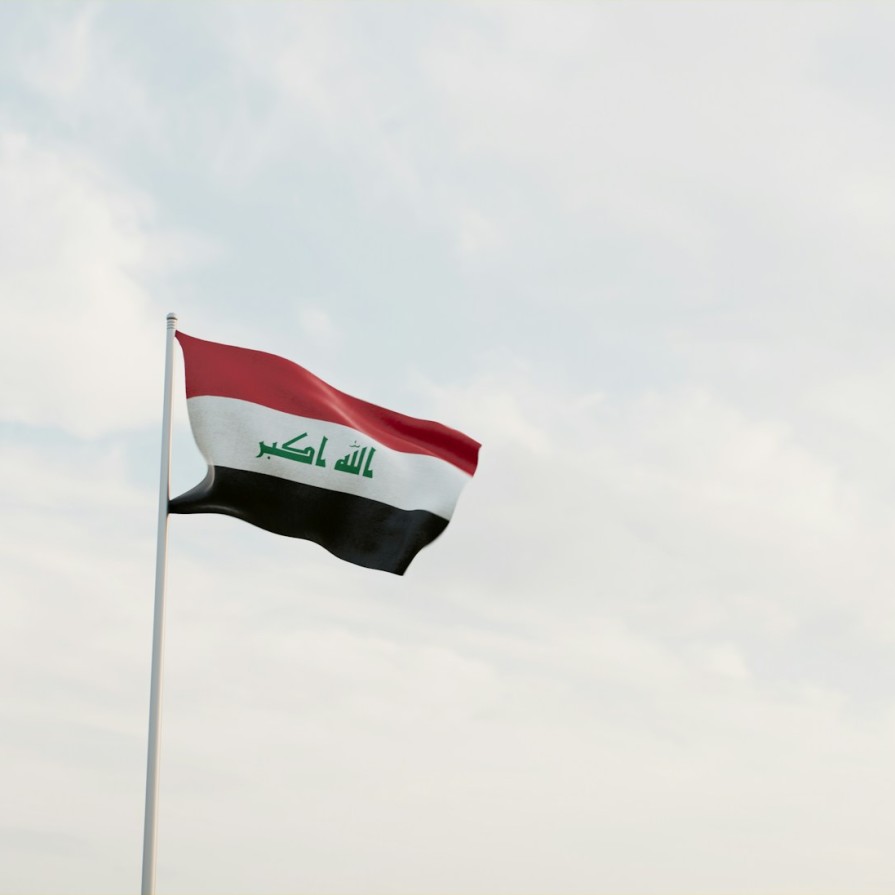
Europe to Visit Baghdad for Energy Cooperation Talks Following Iraq's Threat to Leave OPEC
In the midst of escalating tensions between Iraq and the Organization of the Petroleum Exporting Countries (OPEC), European officials are expected to visit Baghdad in the coming weeks to hold high-level negotiations on energy cooperation. This move comes just hours after Iraq warned it might leave OPEC unless the producer group grants the country higher production quotas.
According to Iraqi sources cited by Shafaq News, the discussions will focus on expanding cooperation in Iraq's oil and gas power sectors. The planned talks include projects related to gas capture, increased electricity generation, expanded energy storage capacity, and strengthening crude oil export infrastructure.
Details of Energy Cooperation Projects
One of the proposals being discussed aims to help Iraq achieve self-sufficiency in associated gas production within two years, reducing dependence on imported fuel. This would represent a significant step in the Middle Eastern country's long-term energy strategy.
Additionally, Iraqi officials are expected to discuss plans to establish a joint maritime fleet with several countries, including the United States, to support crude oil exports. This proposal aims to enhance security and efficiency in oil transportation - Iraq's primary source of revenue.
Tensions with OPEC
This diplomatic push comes after Iraqi Ministry of Oil spokesman Salim al-Rikabi warned that Baghdad could withdraw from OPEC if the group refuses to increase Iraq's production quotas to better reflect the country's production capacity and long-term development plans.
According to market analyst Jules Reimer writing for MarketWatch, Iraq's departure from OPEC would have far greater consequences than Qatar's exit in 2019 and the UAE's exit earlier this year, as Iraq is OPEC's second-largest producer after Saudi Arabia, with output of approximately 4.5 million barrels per day.
Potential Impacts if Iraq Leaves OPEC
Reimer pointed out that estimates from the U.S. Energy Information Administration (EIA) suggest Iraq could increase its production capacity to around 7 million barrels per day by 2029 if OPEC production limits were removed. This would create significant opportunities for international oil companies operating in Iraq, including Exxon Mobil, Chevron, and Halliburton.
However, this would also be a major blow to OPEC's credibility. As one of the organization's founding members, Iraq's departure would raise deeper questions about the group's ability to influence global oil prices.
Summary of Key Information
| Information | Details |
|---|---|
| Main Event | European officials to visit Baghdad |
| Discussion Topics | Energy cooperation, oil, gas power |
| Purpose of Visit | Response to Iraq's threat to leave OPEC |
| Iraq's Action | Threatening to leave OPEC if production quotas aren't increased |
| Iraq's Position in OPEC | Second-largest producer, after Saudi Arabia |
| Current Production | 4.5 million barrels/day |
| Estimated 2029 Production | 7 million barrels/day (without limits) |
In-depth Analysis
Iraq's threat to leave OPEC comes amid increasing tensions among OPEC members regarding production quota allocation. Iraq, with its rapidly growing population and increasing domestic energy demand, argues that current production limits no longer align with the country's economic development needs.
Meanwhile, other OPEC countries, particularly Saudi Arabia, fear that increased Iraqi production would reduce oil prices and affect the revenues of other members. This has led to a prolonged deadlock in OPEC's internal negotiations.
The upcoming visit by European officials is seen as an intermediary effort to resolve this tense situation. Europe, with its large energy needs and close economic ties with both Iraq and other OPEC nations, holds a unique position in promoting dialogue and finding solutions.
Impact on Global Energy Markets
If Iraq actually leaves OPEC, the global oil market would witness a significant change. Iraq is not only OPEC's second-largest producer but also has substantial potential for increased production in the future. The country's freedom to determine production volumes would alter global supply-demand dynamics.
According to analysts, the market might initially react with price volatility, but long-term stability would depend on the ability of other producers, particularly Saudi Arabia, to compensate for any production shortfall and adjust policies accordingly.
Furthermore, Iraq's departure from OPEC would also create significant opportunities for international oil companies. With the potential for infrastructure and technology development, corporations like Exxon Mobil, Chevron, and Halliburton could benefit from cooperating with Iraq in modernizing its oil sector.
Conclusion
The situation between Iraq and OPEC is at a critical juncture, with both sides having reasonable interests and concerns. The upcoming visit by European officials is expected to create an effective dialogue forum to address these differences.
Regardless of the outcome of the negotiations, this event has highlighted the internal challenges OPEC faces in maintaining unity and influence in an increasingly complex and competitive global energy market. The future of the organization will depend heavily on the adaptability and innovation of its members, particularly influential countries like Iraq.
Michael Kern for Oilprice.com