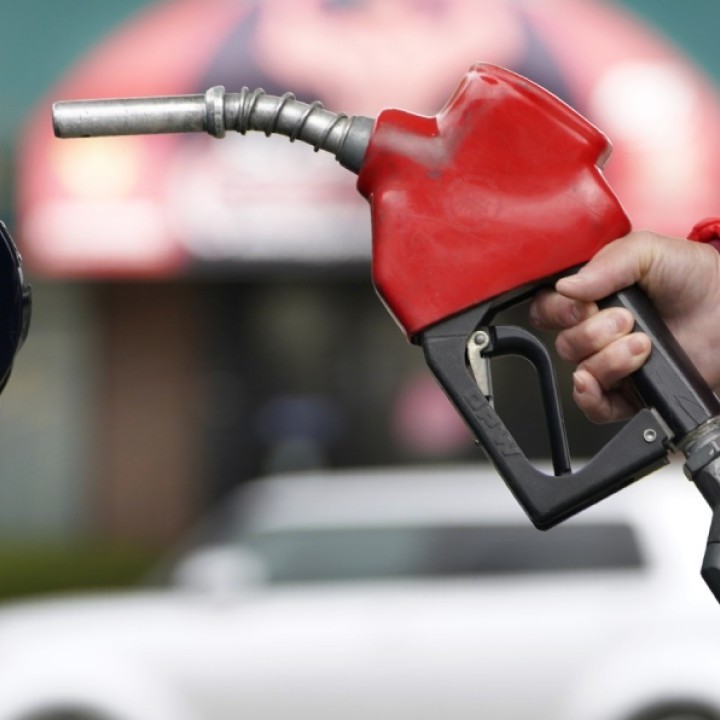
Gas Prices Decline for Sixth Consecutive Week, Yet Americans Face Most Expensive Independence Day in History
Amidst a six-week consecutive decline in gasoline prices, American consumers are still bracing for one of the most expensive Independence Day holidays in recorded history. According to the latest data from GasBuddy, while showing a downward trend, the national average gas price is projected to reach approximately $3.75 per gallon on July 4th - the second-highest level on record, trailing only the $4.80 per gallon peak set during the 2022 energy crisis.
Comparative Gas Price Analysis
Despite the recent price reductions, current gasoline costs remain significantly higher than both last year's July 4th and the beginning of 2024. This indicates that while positive signals are emerging, American consumers cannot yet breathe a sigh of relief. The following table provides a detailed comparison of gas prices across different time periods:
| Time Period | Average Price (USD/gallon) | Change vs. Reference Point |
|---|---|---|
| July 4, 2023 | $3.10 | - |
| July 4, 2024 (projected) | $3.75 | +$0.65 (+21%) |
| Early 2024 | ~$2.80 | +$0.95 (+34%) |
| May 2024 peak | ~$4.20 | -$0.45 (-10.7%) |
The current price decrease represents a significant drop from May's peak - a period when the closure of the Strait of Hormuz sent gasoline prices soaring alongside crude oil. However, today's prices still substantially exceed both last year's July 4th and early 2024 levels, highlighting that despite positive momentum, consumers continue to face elevated costs.
Factors Behind the Price Decline
The recent gasoline price decline primarily reflects market dynamics in the crude oil sector. This week, Brent crude prices fell to approximately $72 per barrel before recovering to around $75 by Thursday. This trend occurs as Middle Eastern supply gradually returns to the global market.
Middle East Supply Resurgence
- Saudi Arabia: Restarting operations at Ras Tanura - the world's leading oil export terminal
- Iraq: Increasing oil export volumes
- Shipping: Numerous oil tankers cautiously returning to the Persian Gulf
Situation in the Strait of Hormuz
The following table illustrates the current status of this critical shipping lane:
| Indicator | Pre-Crisis | Current | Trend |
|---|---|---|---|
| Daily vessel traffic | ~18-20 vessels | ~12-14 vessels | Increasing |
| Daily oil export volume | ~21 million barrels | ~17-18 million barrels | Increasing |
| Risk level | Low | High | Decreasing |
However, vessel traffic through the Strait of Hormuz has improved significantly in the past week but remains considerably below pre-crisis levels. Shipping companies continue to face uncertainty regarding Iran's proposed new traffic management system. Regional instability was again highlighted on Thursday when a commercial vessel was reported to be struck by an unidentified object near Oman, while Iranian authorities continue to assert control over maritime routes.
The Lag Between Oil and Retail Gas Prices
Prolonged uncertainty is one reason why gasoline prices haven't declined as rapidly as crude oil. Additionally, the simple reality is that retail prices often lag behind wholesale markets. While crude oil prices can drop $20 per barrel in just a few days, the price at your local gas station typically receives this information later.
The result is that crude oil prices have returned to pre-war trading levels, but gasoline prices have not. This creates a significant gap between the two markets, creating difficulties for both consumers and policymakers.
Future Outlook
Experts forecast that gas prices will continue to decline in the coming weeks, but at a slower pace due to the continued geopolitical complexities in the Middle East. Complete stabilization in the Middle East region will be key to bringing gasoline prices back to more reasonable levels for consumers.
Meanwhile, economic experts warn that high energy prices will continue to exert pressure on inflation and consumer spending in the United States throughout this summer.
Conclusion
Despite positive signs of price decreases, Americans must prepare for an expensive Independence Day holiday. The decline in gasoline prices reflects some improvement in crude oil supply, but geopolitical factors and delays in retail price adjustments have prevented prices from returning to more reasonable levels. The situation in the Strait of Hormuz and the stability of the global energy market will continue to be key factors affecting gasoline prices in the coming period.