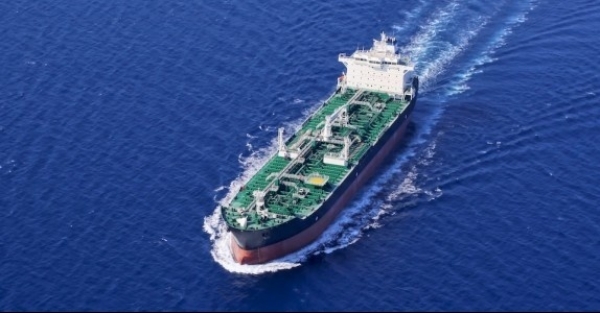
Oil Shipping Costs Surge 9-Fold as Global Rush for Hormuz Passage Intensifies
In the escalating geopolitical landscape of the Middle East, the global oil shipping market is witnessing unprecedented volatility as charter rates for oil tankers have skyrocketed by 900%. This dramatic surge comes amid announcements of potential cooperation between the United States and Iran, prompting oil importers worldwide to scramble for vessels capable of transporting oil through the Strait of Hormuz - the critical artery for global oil exports.
The Geopolitical Context of the Strait of Hormuz
The Strait of Hormuz, a narrow waterway approximately 33 kilometers wide, serves as the passage for over 20% of the world's daily oil consumption. This strategically vital location has become the epicenter of heightened tensions in recent months, particularly following the imposition of U.S. sanctions on Iran and subsequent Iranian threats to close the strait as a retaliatory measure.
The ongoing tensions have compelled many shipping companies to alter their routes, diverting vessels around Africa rather than through the Strait of Hormuz. This rerouting has significantly increased both transportation costs and transit times. However, with the emerging prospects of U.S.-Iranian cooperation, the market has reacted swiftly and intensely.
The Extraordinary Surge in Oil Tanker Charter Rates
According to maritime shipping analysts, charter rates for oil tankers have escalated from the typical range of $10,000-$15,000 per day to as high as $90,000 per day in recent weeks. This ninefold increase represents an unprecedented event in modern oil shipping history.
| Time Period | Oil Tanker Charter Rate (USD/day) | Percentage Change |
|---|---|---|
| Pre-U.S.-Iran Cooperation Announcement | 10,000 - 15,000 | 100% |
| Post-U.S.-Iran Cooperation Announcement | 90,000 | +900% |
"This price surge not only reflects heightened demand for shipping services but also demonstrates the risk-averse mentality among shipping companies," stated Mr. Nguyen Van Minh, energy market analyst at the National Energy Institute. "They are willing to pay premium rates to ensure vessels can safely transit the Strait of Hormuz."
Impact on the Global Oil Market
The fluctuation in shipping costs has directly influenced global crude oil prices. Brent crude has increased by over 5% in the past week, reaching $82 per barrel - the highest level in six months. Market analysts project that oil prices may continue to rise if the situation in the Strait of Hormuz remains unstable.
Major oil-importing nations such as China, India, Japan, and South Korea are facing significant pressures from increased transportation costs. China, the world's largest oil importer, has already adjusted its import plans from the Middle East, redirecting procurement to sources in Africa and the Americas.
| Country | Dependence on Oil via Hormuz (%) | Additional Annual Transportation Cost (Billion USD) |
|---|---|---|
| China | 35 | 12 |
| India | 85 | 8 |
| Japan | 90 | 6 |
| South Korea | 95 | 4 |
Technological Solutions for Oil Transportation in the New Landscape
In response to the complex situation, shipping companies are intensifying technology adoption to ensure safety and optimize costs. Real-time vessel monitoring systems such as AIS (Automatic Identification System) and satellite surveillance are being widely deployed to track vessel positions and routes.
Artificial intelligence and big data analytics are being applied to forecast risks and optimize shipping routes. Companies like Maersk and CMA CGM have invested billions of dollars in developing digital solutions to manage their fleets more efficiently amid instability.
Additionally, autonomous and unmanned vessel technology is being researched as an alternative solution to minimize crew risks in high-risk maritime areas.
Future Outlook
According to industry experts, oil tanker charter rates will likely remain highly volatile in the short term until clarity emerges regarding the U.S.-Iranian agreement. However, over the long term, the market may stabilize as alternative shipping routes develop and transportation technology continues to advance.
"This event serves as a stark reminder of the excessive dependence on a critical chokepoint like the Strait of Hormuz," stated Mr. Tran Dinh Long, Chairman of the Vietnam Maritime Association. "Nations must diversify oil supply sources and develop alternative shipping routes to mitigate future risks."
Concurrently, investment in smart and sustainable maritime transportation technology will be an inevitable trend, helping the industry better adapt to geopolitical fluctuations and climate change impacts in the future.
Related Information:
- The Strait of Hormuz transports 20% of the world's oil supply
- Brent crude oil prices have increased 5% to $82 per barrel
- The United States and Iran are negotiating to reduce regional tensions
- China, India, Japan, and South Korea are the most affected nations