New Concerns Over Global LNG Supply Following Qatar Explosion
Major Explosion at Ras Laffan Facility Raises Questions About Global Natural Gas Resilience
A devastating explosion occurred at Qatar's Ras Laffan industrial complex in late June 2026, resulting in at least 13 fatalities and dozens of injuries. The incident has not only caused a humanitarian tragedy but has also sparked profound concerns about the resilience of global liquefied natural gas (LNG) supply chains, which have already faced months of disruptions due to escalating conflicts in the Middle East.
Detailed Account of the Ras Laffan Explosion
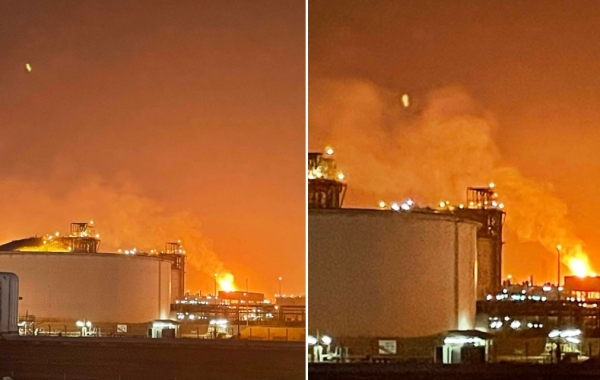
On June 28, 2026, a massive explosion rocked one of the world's most advanced LNG facilities located in Qatar's Ras Laffan industrial complex. The explosion, believed to have originated from a processing malfunction, created a massive black smoke plume visible from kilometers away.
According to official statements from Qatari authorities, at least 13 workers were killed and over 40 others injured in the incident. Rescue and firefighting operations continued for several hours, involving specialized emergency response teams from Qatar. The affected facility was immediately shut down for safety assessment, with emergency protocols activated to contain potential secondary hazards.
The Context of Global LNG Supply Tensions
Qatar stands as the world's largest LNG producer, accounting for approximately 20% of global supply. The Ras Laffan industrial complex, where the explosion occurred, represents one of Qatar's most critical LNG production hubs, with a processing capacity of up to 77 million tons annually. This facility alone contributes significantly to Qatar's position as an indispensable player in the global energy landscape.
The global LNG market has endured significant disruptions for several months due to intensifying conflicts in the Middle East. Key maritime shipping lanes have been affected, causing natural gas prices to surge and many nations to face potential energy shortages. These pre-existing tensions have already strained supply chains and created market volatility worldwide.
Impacts on the Global Energy Market
The Ras Laffan explosion is expected to further strain an already tight LNG market. Analysts suggest that this incident could reduce Qatar's production capacity for several months, with repair and recovery operations potentially extending over an extended period. The affected facility may require complete structural assessment and retrofitting before resuming full operations.
"Qatar plays a pivotal role in stabilizing the global LNG market," according to Dr. Nguyen Van An, an energy expert at the International Energy Research Institute. "Any disruption from Qatar will have cascading effects on multiple countries, particularly those heavily dependent on LNG imports. The timing of this incident couldn't be worse, coming at a period when global energy security is already compromised by regional conflicts."
Asian nations such as Japan, South Korea, and China—the world's largest LNG consumers—are likely to be most directly affected. These countries rely heavily on Qatari LNG to meet their energy demands and power generation needs. Meanwhile, Europe, which has been working to reduce its dependence on Russian gas following the Ukraine conflict, may face additional challenges in securing alternative supplies at competitive prices.
Market Reactions and Stakeholder Responses
Immediately following news of the explosion, spot LNG prices increased by approximately 8% during trading on June 29. Long-term contract prices also showed an upward trend, reflecting concerns about future supply availability. The market reaction underscores the critical importance of Qatari supply in global energy balance.
Qatar Energy, the state-owned energy company, issued an official statement confirming the incident and pledging transparency throughout the investigation and recovery process. "The safety of our personnel is our highest priority," the company stated. "We are conducting a thorough investigation to determine the root cause and implementing measures to prevent similar incidents in the future."
Governments worldwide have responded swiftly. The U.S. Department of Energy announced it is closely monitoring the situation and stands ready to manage supplies from the Natural Gas Storage Reserves (NGSR) if necessary. The European Union has also convened emergency meetings to assess impacts and develop response scenarios, with some member states considering accelerated development of alternative energy sources.
Future Outlook and Lessons Learned
The Ras Laffan incident highlights the inherent risks within the global energy industry, particularly the dependence on a limited number of major producers. "This event serves as a reminder of the need to diversify energy sources and develop sustainable energy strategies," according to energy expert Lisa Johnson from the Oxford Energy Research Center. "The world cannot continue to rely so heavily on single points of failure in critical energy infrastructure."
Many nations may accelerate plans to develop renewable energy sources such as solar and wind power to reduce dependence on fossil fuels. Concurrently, investment in diversified LNG infrastructure and advanced storage technologies becomes increasingly critical. Some energy analysts predict this incident could accelerate the global energy transition toward more distributed and resilient energy systems.
The official investigation into the cause of the explosion is still underway. Experts note that it may take several months to determine the exact cause and fully assess the damages. Initial reports suggest the incident may have been related to equipment failure during a routine maintenance procedure, though this remains speculative pending formal findings.
Summary of Global LNG Situation Post-Explosion
| Factor | Pre-Explosion Situation | Post-Explosion Situation |
|---|---|---|
| Global Supply | Stable but strained due to Middle East conflicts | Increased risk, potential temporary shortages |
| LNG Prices | Moderate increase due to regional conflicts | Approximately 8% increase immediately following incident |
| Qatar Capacity | 77 million tons/year | Temporary reduction, extent yet to be determined |
| Impact on Asia | Already facing pressure from high prices | Potentially facing risk of supply shortages |
| Impact on Europe | Seeking alternatives to Russian gas | Facing additional new challenges |
As the world continues to grapple with increasingly complex energy challenges, the Qatar explosion underscores the fragility of global energy supply chains and the urgent need for flexible, sustainable response strategies. Energy security has emerged as a critical geopolitical priority, with nations reassessing their vulnerability to supply disruptions and the potential economic and social consequences of energy shortages in an interconnected global economy.