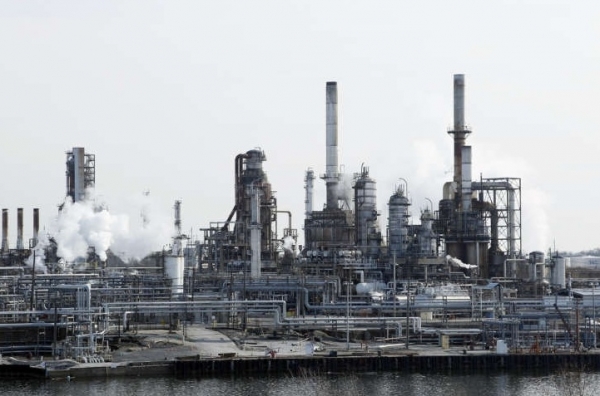
Abundant Crude, Scarce Fuel: The Paradox of Asia's Refining Crisis
In the context of the global oil market witnessing a recovery of crude oil import volumes in Asia to pre-US-Iran conflict levels, a notable paradox is emerging: refined petroleum products continue to face shortages while prices remain elevated. This imbalance is raising numerous questions among analysts and creating pressure on Asian economies.
Background of the Crude Oil Market
According to the latest data from international energy agencies, crude oil imports into Asia have increased significantly in the first quarter of 2023, reaching levels equivalent to the period before the escalation of geopolitical tensions between the United States and Iran. Major oil producers such as Saudi Arabia, Iraq, and Russia have increased production to meet demand, while US sanctions on Iran's oil industry no longer have as strong an impact as before.
However, while crude oil supplies are abundant, refineries cannot meet the demand for refined products such as gasoline, diesel fuel, and aviation fuel. This discrepancy has led to rising prices and fuel shortages in many Asian countries.
Deep-Rooted Causes of the Imbalance
1. Limited Refining Capacity
The Asian market is facing an issue of refining capacity that is disproportionate to demand. While refineries in Europe and North America are continuously modernized, many refining facilities in Asia are outdated and operating below maximum capacity.
Key challenges for Asia's refining industry:
- Lack of investment in advanced refining technologies
- Refining capacity not keeping pace with consumption growth
- Shortage of skilled personnel to operate modern facilities
- Limited infrastructure for transporting refined products
2. Impact of the COVID-19 Pandemic
The COVID-19 pandemic has caused severe disruptions in the refining industry. Many refineries had to suspend operations or reduce capacity for extended periods, leading to delays in maintenance and upgrades. When fuel demand recovered faster than expected after the pandemic, refineries could not keep up.
3. Changes in Product Demand
The refining industry is struggling to meet changing product demands. While demand for conventional gasoline and diesel remains stable, demand for aviation fuel and petrochemicals has surged due to the recovery of the tourism and industrial sectors.
| Refined Product | Demand Change 2022-2023 | Market Impact |
|---|---|---|
| Gasoline | 5-7% increase | Mild price pressure due to stable supply |
| Diesel fuel | 8-10% increase | Severe shortage, high price increases |
| Aviation fuel | 15-20% increase | Critical shortage, record-high prices |
| Petrochemicals | 10-12% increase | Supply-demand imbalance, price hikes |
4. Supply Chain Issues
The global supply chain has not fully recovered from the pandemic. Transportation problems, container shortages, and rising logistics costs have affected the distribution of refined products from refineries to consumer markets.
Situation in Specific Asian Countries
Vietnam
In Vietnam, fuel shortages have persisted for many months. Refineries such as Dung Quất and Nghi Sơn are operating near maximum capacity but still cannot meet demand. The government has had to implement measures such as price controls and export restrictions to ensure domestic supplies.
India
India, one of the world's largest crude oil importers, is facing a similar situation. Indian refineries are operating at high capacity but still need to import refined products to meet domestic demand.
Indonesia and the Philippines
These two Southeast Asian nations have also reported fuel shortages, particularly in rural areas. Gasoline and diesel prices in these countries have reached record levels, creating pressure on living costs and production.
Economic and Social Impacts
The shortage of refined fuels has led to numerous economic and social consequences:
- Economic growth slowed due to high energy costs
- Inflation increased, affecting people's livelihoods
- Transportation and manufacturing sectors face difficulties due to fuel shortages
- Emergence of fuel smuggling and speculation activities
Outlook and Solutions
Market Outlook
According to experts, the refined fuel shortage in Asia may continue for the next few years. New refineries need at least 2-3 years to be built and operational, while fuel demand continues to rise.
Proposed Solutions
To address this issue, experts propose the following solutions:
- Increased investment in advanced refining technologies
- Expansion of existing refining capacity
- Diversification of crude material sources
- Development of renewable energy to reduce dependence on fossil fuels
- Improvement of logistics and distribution infrastructure
Conclusion
The imbalance between abundant crude oil supplies and scarce refined fuels in Asia is a complex challenge requiring comprehensive solutions from both governments and businesses. In the short term, price controls and export restrictions may help stabilize the market. However, in the long term, investment in refining technology and sustainable energy development is the fundamental solution to ensure energy security for the region.