BSR Accelerates Energy Transition with Breakthrough SAF Technology and Green Development Strategy
In an era of global energy transformation aimed at reducing carbon emissions, Vietnam Oil and Gas Group Joint Stock Corporation (BSR) has demonstrated unwavering commitment to innovating its growth model. The company is actively developing clean fuel products while simultaneously strengthening Environmental, Social, and Governance (ESG) practices and promoting digital transformation across its operations.
Revolutionary Approach with Sustainable Aviation Fuel (SAF)
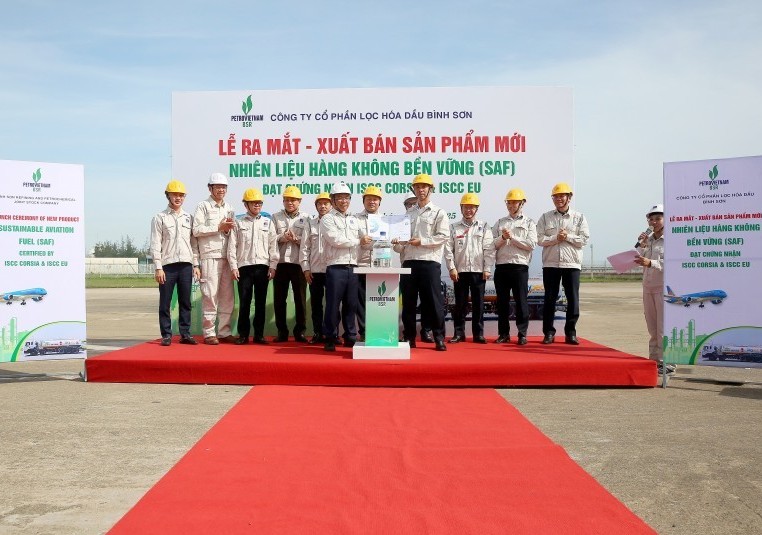
The successful launch and commercialization of BSR's first batch of Sustainable Aviation Fuel (SAF) marks a significant milestone in the company's green development strategy. This achievement not only underscores BSR's dedication to environmental stewardship but also confirms its position as a forward-thinking energy provider in Vietnam's rapidly evolving energy landscape.
SAF, produced from renewable feedstocks, offers substantial carbon emission reductions compared to conventional aviation fuels. The successful implementation of SAF production demonstrates BSR's technical capabilities and commitment to meeting the increasingly stringent environmental standards in the aviation industry.
Technical Specifications and Production Process
BSR's SAF production utilizes advanced hydrotreated esters and fatty acids (HEFA) technology, which converts sustainable oils and fats into high-performance aviation fuel. This process significantly reduces lifecycle carbon emissions by up to 80% compared to conventional jet fuel, making it one of the most effective solutions for decarbonizing air transportation.
The company has established rigorous quality control measures to ensure that its SAF meets international aviation standards, including those set by the American Society for Testing and Materials (ASTM) and the European Union's strict aviation fuel specifications.
Implementation of Bioethanol Gasoline E10
Complementing its SAF initiative, BSR has been actively implementing the deployment of E10 bioethanol gasoline—a blend of conventional gasoline and 10% ethanol derived from renewable agricultural sources. This dual-pronged approach demonstrates BSR's comprehensive strategy to address emissions across multiple transportation sectors.
The E10 gasoline initiative serves multiple environmental and economic objectives:
- Reduction of greenhouse gas emissions from road transportation
- Decrease in harmful air pollutants such as carbon monoxide and particulate matter
- Support for Vietnam's agricultural sector through increased demand for ethanol feedstocks
- Enhancement of energy security by reducing dependence on imported fossil fuels
Market Impact and Consumer Benefits
Since its introduction, E10 gasoline has gained significant traction in the Vietnamese market. The blend offers comparable performance to conventional gasoline while providing environmental benefits. BSR has ensured widespread availability through its extensive network of service stations across Vietnam, making the cleaner fuel option accessible to millions of consumers.
Consumer acceptance has been positive, with reports of reduced engine wear and maintenance costs associated with the biofuel blend. The successful implementation of E10 positions BSR as a leader in Vietnam's transition to cleaner transportation fuels.
ESG Practices and Digital Transformation
To substantiate its sustainability objectives, BSR has established comprehensive ESG strategies across all operational aspects. The company has set specific targets for environmental protection, social responsibility, and enhanced corporate governance, creating a framework for sustainable growth that aligns with global best practices.
Environmental initiatives include:
- Implementation of carbon footprint monitoring and reduction programs
- Investment in renewable energy projects at BSR's facilities
- Water conservation and waste reduction initiatives
- Biodiversity protection measures around operational sites
Social responsibility efforts focus on:
- Community development programs in areas where BSR operates
- Employee safety and wellbeing initiatives
- Skills development and knowledge transfer programs
- Support for education and healthcare initiatives in local communities
Digital Transformation Initiatives
Recognizing the critical role of digital technology in modern energy operations, BSR has prioritized digital transformation across its value chain. Key initiatives include:
- Implementation of advanced data analytics for predictive maintenance
- Deployment of IoT sensors for real-time monitoring of equipment performance
- Automation of production processes to enhance efficiency and reduce emissions
- Digitalization of supply chain management to optimize logistics and reduce waste
- Development of smart solutions for energy distribution and consumption monitoring
These digital initiatives not only improve operational efficiency but also contribute to BSR's environmental goals by optimizing resource utilization and minimizing waste generation.
BSR's Product Portfolio and Strategic Initiatives
| Product/Initiative | Description | Environmental Benefits | Strategic Importance |
|---|---|---|---|
| Sustainable Aviation Fuel (SAF) | Produced from renewable feedstocks using HEFA technology | Up to 80% reduction in lifecycle carbon emissions | Positions BSR in the growing sustainable aviation market |
| E10 Bioethanol Gasoline | Blend of conventional gasoline and 10% ethanol from agricultural sources | Reduction in greenhouse gases and air pollutants | Addresses road transportation emissions while supporting agriculture |
| ESG Implementation Framework | Comprehensive system for environmental, social, and governance practices | Systematic reduction of environmental impact across operations | Aligns with global sustainability standards and investor expectations |
| Digital Transformation | Technology integration across production and distribution | Optimized resource utilization and reduced emissions | Enhances competitiveness and operational efficiency |
Future Outlook and Industry Impact
BSR's strategic initiatives in clean energy development represent a significant step forward for Vietnam's energy transition. The company's success with SAF and E10 gasoline demonstrates that large-scale energy providers can effectively pivot toward more sustainable models without compromising operational viability.
Looking ahead, BSR has outlined ambitious targets for expanding its clean energy portfolio. The company plans to:
- Increase SAF production capacity to meet growing demand from the aviation sector
- Develop higher biofuel blends for transportation fuels
- Invest in research and development of next-generation clean energy technologies
- Explore opportunities in green hydrogen production
- Strengthen partnerships with international organizations and technology providers
Broader Implications for Vietnam's Energy Sector
BSR's transformation serves as a model for other state-owned enterprises in Vietnam's energy sector. The company's success demonstrates that economic growth and environmental sustainability can be pursued simultaneously, challenging the traditional perception that fossil fuel companies must choose between profitability and environmental responsibility.
The company's initiatives also contribute to Vietnam's broader climate commitments under the Paris Agreement. By reducing emissions across multiple sectors, BSR is helping the country progress toward its nationally determined contributions (NDCs) and long-term climate goals.
Conclusion
BSR's comprehensive approach to energy transition through SAF technology, biofuel implementation, ESG practices, and digital transformation positions the company as a leader in Vietnam's evolving energy landscape. The company's initiatives not only enhance its competitive positioning in the global energy market but also contribute significantly to Vietnam's sustainable development goals.
As the world accelerates its shift toward clean energy, BSR's strategic investments and operational transformations demonstrate that traditional energy companies can successfully reinvent themselves to meet the challenges of a low-carbon future. The company's commitment to innovation and sustainability serves as an inspiration for the broader energy industry in Vietnam and beyond.
Through its multifaceted approach, BSR is not only securing its own future but also contributing to the creation of a more sustainable energy ecosystem for Vietnam and helping to build a greener future for generations to come.