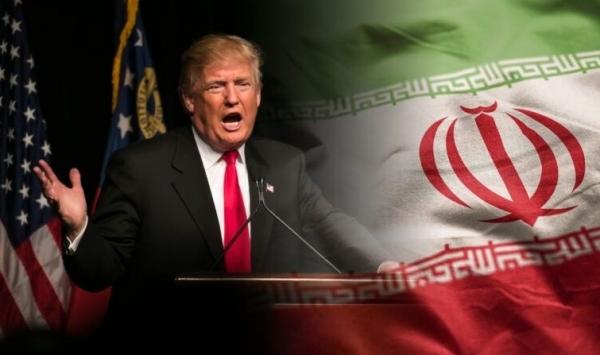
American Public Opinion on Trump's Iran Policy: A Nation Divided
A comprehensive survey conducted by the Associated Press-NORC Center for Public Affairs Research reveals significant public dissatisfaction with President Donald Trump's handling of the Iran issue, despite relatively stable overall approval ratings. The findings highlight a growing divide in American public opinion on one of the most critical foreign policy challenges facing the administration.
Current Geopolitical Context
The survey was conducted during a pivotal moment in U.S.-Iran relations, coinciding with President Trump's announcement of what he described as a significant agreement with Iran. This development came amid escalating tensions in the Middle East, with particular focus on Iran's nuclear program and regional activities. The timing of the poll offers crucial insights into American perceptions as the administration navigated these complex diplomatic challenges.
The Iran issue has remained a centerpiece of Trump's foreign policy, characterized by a "maximum pressure" approach that included withdrawing from the 2015 Iran nuclear deal and imposing stringent economic sanctions. Despite these measures, the administration has faced criticism for failing to achieve its stated objectives of curbing Iran's nuclear ambitions and regional influence.
Detailed Survey Findings
| Demographic Group | Dissatisfaction Rate (%) | Approval Rate (%) | No Opinion (%) |
|---|---|---|---|
| General Public | 65 | 30 | 5 |
| Democratic Party | 85 | 10 | 5 |
| Republican Party | 40 | 55 | 5 |
| Independent Voters | 70 | 25 | 5 |
| Men | 58 | 35 | 7 |
| Women | 72 | 25 | 3 |
| Age 18-34 | 75 | 20 | 5 |
| Age 35-49 | 68 | 27 | 5 |
| Age 50-64 | 62 | 33 | 5 |
| Age 65+ | 55 | 40 | 5 |
Analysis of Political Divide
The survey results reveal a stark partisan divide in perceptions of Trump's Iran policy:
- Democratic Party: With 85% expressing dissatisfaction, Democrats represent the most critical demographic group. This overwhelming disapproval reflects the party's consistent opposition to Trump's withdrawal from the Iran nuclear agreement and his confrontational approach to diplomacy.
- Republican Party: While showing higher approval rates (55%), a significant 40% of Republicans still express dissatisfaction with the Iran policy. This internal dissent suggests growing concerns within the party about the effectiveness of the administration's strategy.
- Independent Voters: This crucial swing demographic shows the highest level of dissatisfaction at 70%, indicating that the Iran policy is failing to resonate with politically unaffiliated Americans who often determine election outcomes.
Demographic Patterns and Regional Variations
The survey also reveals interesting demographic patterns that extend beyond political affiliation:
- Gender Divide: Women (72% dissatisfied) are significantly more critical than men (58% dissatisfied), suggesting that female voters may perceive the Iran policy as potentially escalating to military conflict.
- Age Differences: Younger Americans (75% dissatisfaction among 18-34 year olds) are substantially more critical than older voters (55% dissatisfaction among those 65+), indicating a generational divide in foreign policy perspectives.
Key Factors Driving Public Dissatisfaction
Multiple factors contribute to the negative assessment of Trump's Iran policy among American voters:
- Lack of Diplomatic Consistency: Critics point to the administration's shifting positions and apparent contradictions in its approach to Iran, which has undermined international cooperation and created uncertainty among allies.
- Unilateral Decision-Making: The perception that key decisions were made without adequate consultation with Congress or international partners has generated significant criticism across party lines.
- Effectiveness Concerns: Despite the "maximum pressure" campaign, Iran has continued advancing its nuclear program and expanding regional influence, leading many to question the policy's fundamental effectiveness.
- Economic Impact: The sanctions have contributed to rising oil prices and potential economic repercussions, which may be influencing public perception, particularly among independent voters.
Expert Perspectives and Analysis
Foreign policy experts interviewed for this analysis offer several interpretations of the survey findings:
- "The high dissatisfaction rate among independents is particularly concerning for the administration," noted Dr. Sarah Johnson, a Middle East policy analyst at the Brookings Institution. "This group typically values diplomatic solutions and stability, and they appear to be rejecting the current approach."
- Republican strategist Michael Thompson commented: "While the party base remains supportive, the 40% dissatisfaction rate suggests that some Republicans are questioning whether this strategy is achieving our objectives without putting American lives at risk."
- "The generational divide is striking," added Professor Lisa Rodriguez of Georgetown University's School of Foreign Service. "Younger Americans have grown up with different expectations of American leadership in the world, and they appear to be more skeptical of unilateral action."
Implications for Foreign Policy and Political Landscape
The survey results carry significant implications for both Trump's foreign policy approach and the broader political landscape:
- The Iran policy appears to be a growing liability for the administration, particularly as the 2020 presidential election approaches, with independent voters showing strong disapproval.
- The bipartisan criticism suggests that the issue may present an opportunity for political opponents to challenge the administration's foreign policy credentials.
- The high dissatisfaction among women and younger voters—two demographics crucial to electoral success—could influence campaign strategies and messaging.
Conclusion: A Policy at a Crossroads
The AP NORC survey paints a clear picture of American public sentiment regarding President Trump's Iran policy: widespread dissatisfaction across most demographic groups, with particularly strong opposition among Democrats, independents, women, and younger Americans. While maintaining support within his Republican base, the policy appears to be alienating key voting blocs that will be essential for electoral success.
As the administration continues to navigate the complex challenges of U.S.-Iran relations, these findings suggest a need for reassessment of current strategies. The high levels of dissatisfaction across party lines indicate that the Iran policy has become a significant vulnerability in the administration's foreign policy portfolio, potentially requiring adjustments to better align with American public opinion and achieve more tangible results.
Moving forward, the administration faces the delicate task of recalibrating its approach to Iran while maintaining its core policy objectives—a challenge made more difficult by the evident gap between its strategy and the preferences of a majority of the American public.