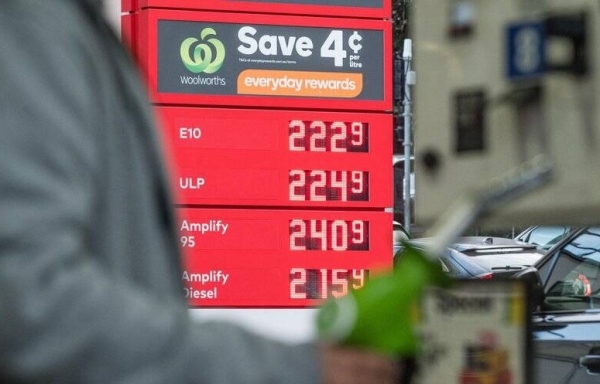
Australia Extends Fuel Tax Exemption Until July Amid Middle East Tensions
Government Continues Fuel Discount Program to Support Drivers Amid Geopolitical Instability
On June 21, Australian Prime Minister Anthony Albanese officially announced the extension of the fuel discount program for drivers affected by the Middle East conflict. This decision aims to continue alleviating the financial burden of fuel costs for Australian citizens and businesses amidst global fuel price volatility driven by geopolitical tensions.
Background of the Fuel Tax Exemption Policy
The fuel discount program, implemented by Australia at the beginning of this year, was initially designed to cope with rising global fuel prices, particularly following Russia's invasion of Ukraine. However, the evolving situation in the Middle East, especially conflicts in the Persian Gulf region, has continued to exert pressure on crude oil prices and refined petroleum products.
According to Australia's Finance Minister, the tax exemption policy reduces fuel costs by approximately 22 cents per liter for both gasoline and diesel, providing direct benefits to millions of Australians and transportation businesses nationwide.
Details of the Extension Decision
Prime Minister Anthony Albanese stated: "We recognize that the situation in the Middle East remains highly volatile, and Australian citizens need additional support. Extending the fuel tax exemption until July is necessary to ensure economic stability and reduce cost pressures on households."
The Australian government also indicated it will closely monitor global fuel prices and is prepared to adjust policies as necessary. The Energy Minister added: "We are working with fuel producers and distributors to ensure stable supply and reasonable prices for consumers."
Economic and Social Impact
The fuel tax exemption is considered one of the Australian government's most effective policies in controlling inflation and supporting citizens during challenging global economic conditions. It is estimated that the average household can save approximately 15-20 AUD per week through this policy.
However, some economists have expressed concerns about the long-term impact of this policy on the national budget. The Ministry of Finance estimates that the revenue loss from this tax exemption amounts to approximately 3 billion AUD per month, though the social benefits it provides are significantly greater.
Market Reaction
Following the government's announcement, fuel prices at gas stations across Australia were immediately adjusted downward. According to a survey by the Australian Competition and Consumer Commission (ACCC), the average price of unleaded gasoline in major cities like Sydney and Melbourne has dropped to 1.95 AUD/liter, a reduction of approximately 0.22 AUD compared to pre-announcement prices.
Transportation associations and taxi driver groups have also welcomed the decision. Mr. James Smith, President of the Australian Taxi Drivers Association, commented: "This is wonderful news for professional drivers. Fuel costs account for up to 40% of total operating expenses, and this price reduction will help us maintain better business operations."
Middle East Situation and Its Impact on Fuel Prices
Recent conflicts in the Middle East, particularly attacks on commercial vessels and energy infrastructure, have increased concerns about global energy security. The region supplies approximately 20% of the world's oil, and any disruption to supply can directly impact fuel prices.
The Australian government stated it is closely monitoring the situation and has contingency plans to ensure stable energy supply. The Energy Minister added: "We have been working with international partners to ensure the safety of critical maritime routes in the Middle East while simultaneously diversifying energy sources to mitigate risks."
| Fuel Prices in Major Australian Cities (Before and After Tax Exemption) | ||
|---|---|---|
| City | Pre-Exemption Price (AUD/liter) | Post-Exemption Price (AUD/liter) |
| Sydney | 2.17 | 1.95 |
| Melbourne | 2.15 | 1.93 |
| Brisbane | 2.12 | 1.90 |
| Perth | 2.08 | 1.86 |
| Adelaide | 2.10 | 1.88 |
Expectations and Outlook
The Australian government indicated it will continue to assess the situation and decide whether to extend the fuel tax exemption policy beyond July. The Finance Minister added: "We will make our decision based on actual conditions and the best interests of citizens. If the situation in the Middle East remains tense and fuel prices continue to fluctuate, we are prepared to continue providing support."
Meanwhile, economic experts suggest that while the tax exemption is necessary in the short term, the government also needs long-term solutions to stabilize fuel prices, including diversifying energy supply and developing renewable energy sources.
Concluding the press conference, Prime Minister Anthony Albanese emphasized: "The government is committed to prioritizing the interests of our citizens. We will continue to closely monitor the situation and make appropriate decisions to ensure Australia's economic stability and ensure that people benefit from supportive policies."