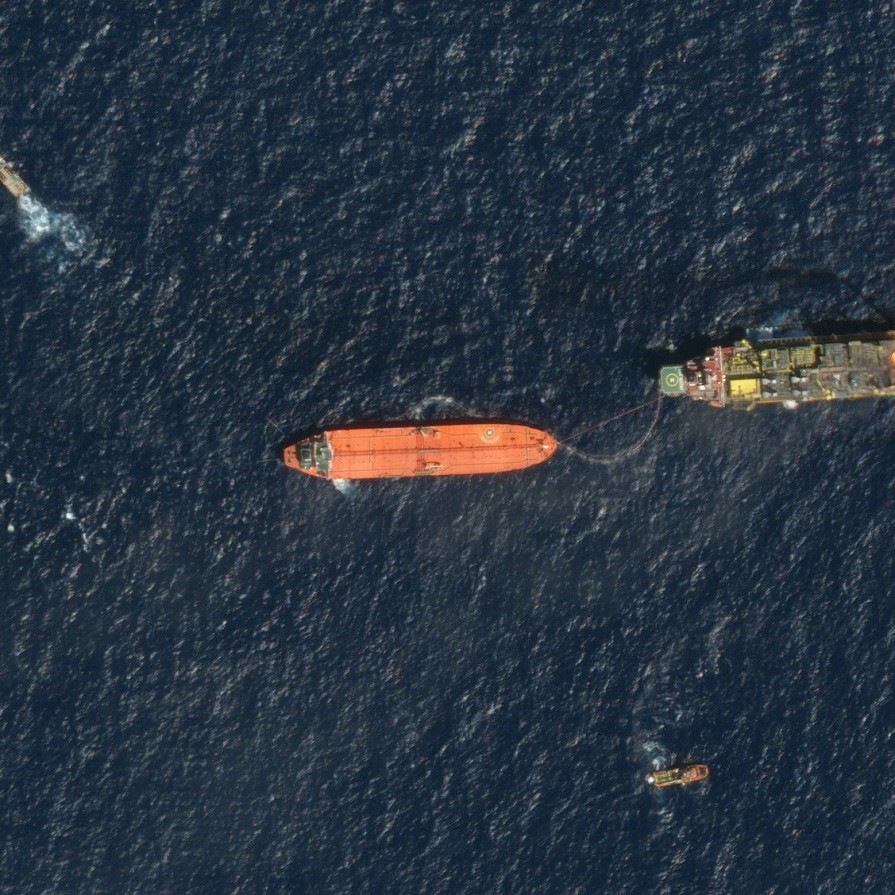
The Temporary Recovery of Oil Tanker Traffic Through the Strait of Hormuz
An increasing number of oil tankers have been positioning and intending to transit through the Strait of Hormuz in recent hours, indicating a temporary recovery of shipping activity through this strategic chokepoint is underway.
Background: The "Dark Mode" Dominance in the Strait of Hormuz
Prior to the memorandum of understanding (MoU) signed between the United States and Iran to negotiate a peaceful resolution, most oil tankers had been moving through and around the Strait of Hormuz in what is known as "dark mode," with their Automatic Identification System (AIS) and positioning equipment turned off.
Once a characteristic tactic for evading Iranian sanctions, dark mode has now become standard practice in the Persian Gulf, Gulf of Oman, and most notably - at the Strait of Hormuz, as vessel owners and shipping operators seek to protect their cargoes from potential attacks.
The dark mode voyages have made an already challenging task for market analysts and observers even more difficult when estimating the lost supply in the Middle East and which volumes might still be reaching certain buyers through these invisible vessels departing the region.
The Shift Following the US-Iran Agreement
Since the signing of the MoU between the US and Iran, numerous vessels have begun broadcasting their positions openly, following traditional tracking signals monitored by Bloomberg.
According to data, on Tuesday local time, as many as seven oil tankers were broadcasting signals that they were in the Strait of Hormuz - including two very large crude carriers (VLCCs) not owned by Iran heading outwards, three product tankers heading outwards, and two Iranian Suezmax tankers heading into the Gulf.
| Oil Tanker Traffic Through Strait of Hormuz | |
|---|---|
| Pre-US-Iran Agreement | Post-US-Iran Agreement |
| Most vessels operating in "dark mode" | Increased number of vessels broadcasting openly |
| Difficult to track actual oil supply | Better visibility into tanker movements |
| High rate of attacks | Significantly reduced risk of attacks |
Although the increased visibility in tanker positioning suggests a temporary recovery in confidence, vessel owners remain cautious about sudden changes in maritime conditions, including conflicting signals from the US and Iran about whether the strait remains open and where minesweeping efforts are needed.
New Data and Trends
Maritime intelligence firm Windward reported that a total of 25 visible transits through Hormuz were recorded on June 22, including French and Qatari LNG carriers.
However, in a sign that shipping operators are still waiting for clearer signals, India's Oil Marketing Corporation (IOC) is said to have failed to charter three oil tankers to pick up crude oil and gas volumes from the Persian Gulf and transport these quantities through the Strait of Hormuz, as many vessel owners and operators remain extremely cautious about sending vessels to the region.
| Oil Tankers Broadcasting Signals on June 22 | ||
|---|---|---|
| Vessel Type | Direction | Nationality/Characteristics |
| VLCC (Very Large Crude Carrier) | Outbound | Non-Iranian (2 vessels) |
| Product Tankers | Outbound | (3 vessels) |
| Suezmax Tankers | Inbound to Gulf | Iranian, medium size (2 vessels) |
Impact on Global Oil Markets
The Strait of Hormuz is the world's most important oil shipping route, with approximately 20-30% of global oil passing through it. Changes in oil tanker operations through this strait can significantly impact oil prices and global energy security.
The return to more transparent operations by oil tankers can help market analysts gain a clearer picture of oil supply, enabling more reliable price forecasting.
Future Outlook
Industry maritime experts suggest that this temporary recovery may not be sustainable if political tensions between the US and Iran continue to escalate. Vessel owners and shipping operators will need clearer signals and stronger commitments from both sides to feel confident returning to normal operations.
However, if the situation stabilizes, this recovery could help stabilize the global oil market, particularly against the backdrop of limited oil supply from other regions due to various factors.
Charles Kennedy for Oilprice.com