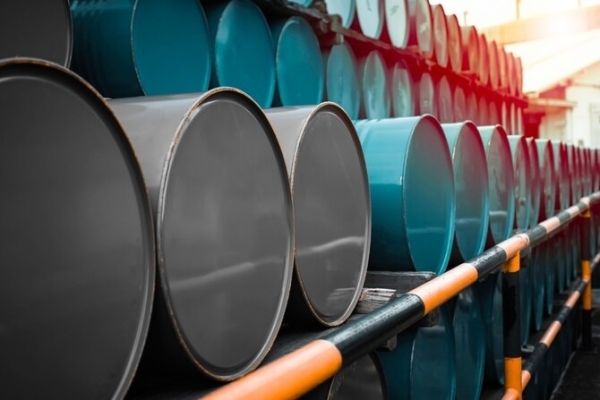
Global Oil Prices Continue Downward Trend on June 22, 2024
Global oil prices have experienced significant volatility in recent hours, but the predominant trend remains a decline compared to the peak levels during the Iran crisis. The oil market is showing signs of stabilization following a period of heightened volatility caused by geopolitical tensions.
Current Oil Price Situation
According to the latest updates on June 22, Brent crude for August delivery fell 0.8% to $76.35 per barrel, while WTI crude for July delivery decreased 0.9% to $72.15 per barrel. This decline follows a significant price surge earlier when tensions escalated between Iran and Israel.
The downward trend occurs as investors reassess the actual impact of the Iran-Israel conflict on global oil supplies. Despite concerns about potential supply disruptions, the market continues to demonstrate sufficient supply to meet current demand levels.
Factors Behind the Declining Trend
- Reduced Geopolitical Tensions: The situation in the Middle East has shown signs of de-escalation following Iran's attack on Israel and Israel's subsequent retaliation, lessening concerns about major oil supply disruptions.
- Positive US Inventory Data: According to reports from the US Energy Information Administration (EIA), US crude inventories unexpectedly increased last week, indicating abundant supply.
- Stable Global Demand: Despite concerns about the global economy, oil demand remains stable, particularly from major economies such as China and the United States.
- Stronger US Dollar: The appreciation of the US dollar has put downward pressure on oil prices, as oil is priced in US currency.
Oil Market Analysis
According to market analysts, the oil market is in a transitional phase, shifting from geopolitical concerns to fundamental factor assessment. While tensions in the Middle East remain closely monitored, investors are increasingly focusing on actual supply and demand conditions.
OPEC+ continues to maintain the previously announced production cuts, with Saudi Arabia and Russia extending voluntary production reductions. However, these measures appear to have been anticipated by the market and no longer generate the significant impact they once did.
Economic Impacts
The declining oil prices present both opportunities and challenges for various economies:
- Oil-Importing Countries: Benefit from lower oil prices, helping to reduce energy costs and control inflation.
- Oil-Exporting Countries: Face pressure on revenue reduction, particularly nations heavily dependent on oil exports such as Russia, Iran, and Venezuela.
- Energy Companies: Major oil corporations may reduce investment in new projects, focusing instead on current profitability.
Future Trend Forecast
Experts have provided varying forecasts for oil price trends in the coming period:
- According to the World Bank (WB): Oil prices may fluctuate in the $70-80 per barrel range during Q3 2024, with a slight upward trend toward the end of the year.
- According to OPEC: The organization forecasts continued global oil demand growth this year, supporting oil prices.
- According to Investment Funds: Some major funds predict oil prices could fall below $70 per barrel if the global economy weakens.
Major Oil Types Price Comparison
| Oil Type | Price (USD/barrel) | Change (%) | Date |
|---|---|---|---|
| Brent Crude | $76.35 | -0.8% | Jun 22 |
| WTI Crude | $72.15 | -0.9% | Jun 22 |
| Brent Crude | $78.20 | +2.5% | Jun 15 |
| WTI Crude | $74.80 | +2.3% | Jun 15 |
Market Sentiment and Expert Commentary
Market sentiment appears to be shifting from fear-driven buying to fundamental analysis. Traders and analysts note that while geopolitical risks remain a factor, the current price levels reflect more balanced supply and demand fundamentals.
"The market is finding its footing after the geopolitical premium built into prices has been partially unwound," noted energy analyst Sarah Johnson. "We're seeing a more realistic assessment of the actual impact of the Iran-Israel situation on global supplies."
Regional Market Variations
Different regions are experiencing varied impacts from the price decline:
- North America: US shale producers may reduce drilling activity as prices approach marginal cost levels for some operations.
- Europe: Lower energy prices provide relief to industrial sectors struggling with high energy costs.
- Asia: Importing nations benefit from reduced trade deficits, though some oil-producing regions in the continent face economic challenges.
Conclusion
Oil prices on June 22 continue the downward trend following a period of sharp increases due to Iran-Israel tensions. The market is gradually returning to a more normalized state with stable supply and demand conditions. Although geopolitical factors remain a potential risk, oil prices are likely to continue experiencing short-term volatility within a relatively narrow range in the near term.
Consumers and businesses should closely monitor market developments to make appropriate decisions regarding energy usage and investments in the energy sector. The current price environment presents opportunities for strategic planning for both consumers and producers in the oil industry.