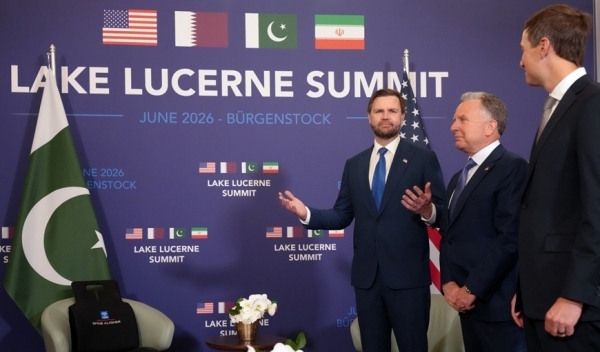
US and Iran Commence First Round of Negotiations in Switzerland
The geopolitical landscape of the Middle East witnessed a significant development on June 22 as the United States and Iran officially initiated their first round of negotiations in Switzerland. This diplomatic engagement marks a crucial step in addressing the prolonged tensions between these two nations, which have been exacerbated by Iran's nuclear program and regional conflicts. The negotiations represent a potential turning point in one of the world's most enduring geopolitical rivalries.
Current Geopolitical Context
The negotiations occur against a backdrop of considerable political volatility in the Middle East. The United States and Iran have endured years of conflict and diplomatic estrangement, particularly concerning Iran's nuclear development program. Since the US withdrew from the Joint Comprehensive Plan of Action (JCPOA) in 2018, tensions have escalated, with both nations engaging in tit-for-tat measures including sanctions, military posturing, and proxy conflicts across the region. Recent incidents in the Persian Gulf, attacks on commercial shipping, and the shadow war between Iranian and Israeli intelligence services have further complicated the relationship.
Objectives of the Negotiation Round
The primary goals of this initial negotiation round include:
- De-escalating military tensions between the two nations to prevent potential conflicts that could destabilize the entire region
- Addressing concerns surrounding Iran's nuclear program and its potential military applications
- Exploring pathways to restore previous agreements, particularly the JCPOA, which was designed to limit Iran's nuclear activities in exchange for sanctions relief
- Establishing communication channels to prevent misunderstandings that could lead to unintended confrontations
Expert Analysis and Potential Outcomes
International security analysts have offered mixed assessments regarding the potential success of these negotiations. Some experts view this diplomatic opening as a significant opportunity to establish a framework for long-term peace and stability in the region. They point to the economic pressures both nations face—particularly Iran's struggling economy under sanctions and the US's desire to avoid additional military engagements—as factors that could incentivize compromise.
Conversely, other analysts express skepticism about the prospects for substantial progress. They highlight the deep-seated mistrust between the two nations, significant ideological differences, and the complex web of regional alliances that could complicate any potential agreement. The upcoming US presidential election and internal political dynamics in Iran further complicate the diplomatic landscape.
International Community Response
Diverse nations and international organizations are closely monitoring the developments of these negotiations with considerable interest. The United Nations has issued formal statements urging both parties to demonstrate concrete commitment to de-escalation and regional security. European nations, particularly France, Germany, and the UK—who were original signatories to the JCPOA—have expressed cautious optimism while emphasizing the importance of maintaining diplomatic pressure.
Regional powers in the Middle East have adopted varied positions, with some expressing support for diplomatic solutions while others remain apprehensive about potential concessions to Iran. The neighboring states of Israel and Saudi Arabia, in particular, have historically viewed Iran's nuclear ambitions with significant concern and are likely to closely scrutinize any emerging agreements.
Key Negotiation Details
| Information Category | Details |
|---|---|
| Commencement Date | June 22, 2023 |
| Location | Switzerland (neutral venue facilitating US-Iran dialogue) |
| Primary Objectives | De-escalation, nuclear program discussions, restoration of agreements |
| Expected Duration | Multiple rounds anticipated; initial phase expected to last several days |
| Key Participants | US Special Envoy for Iran, Iranian diplomatic representatives, Swiss mediators |
| Potential Impact | Significant implications for Middle Eastern stability, global energy markets, and non-proliferation efforts |
Significance and Future Implications
The commencement of direct negotiations between the United States and Iran in Switzerland represents a potentially pivotal moment in Middle Eastern geopolitics. This diplomatic engagement, occurring after years of escalating tensions and minimal communication channels, could fundamentally reshape regional dynamics if successful.
The path forward will require considerable political flexibility from both nations. For the United States, this may involve reconsidering certain sanctions policies and demonstrating willingness to address Iranian security concerns. For Iran, meaningful concessions regarding its nuclear program and regional activities may be necessary to build trust with Western powers.
International observers note that the success of these negotiations could have far-reaching implications beyond US-Iran relations. A renewed agreement could potentially stabilize energy markets, reduce the risk of regional conflicts, and strengthen global non-proliferation efforts. Conversely, failure to reach an understanding could further destabilize the Middle East, with potentially severe consequences for global security and economic stability.
As these negotiations unfold, the international community will be watching closely, hoping that diplomatic channels can prevail over confrontation in addressing one of the world's most enduring geopolitical challenges.