Iraq Pursues New Export Routes Through Syria Amid Hormuz Uncertainty
The growing concerns over dependency on the Strait of Hormuz have prompted Iraq to seek alternative oil export pathways. The nation is preparing to export crude oil and naphtha through Syria's Baniyas port—a contingency solution developed after Hormuz closures disrupted primary export routes and caused significant oil storage buildup.
Iraq's Strategic Export Diversification
According to information from Reuters, Iraqi officials have confirmed that this strategy will continue even after normal shipping operations resume through Hormuz. This demonstrates the heightened importance of alternative routes in the current volatile geopolitical landscape.
Iraq typically exports approximately 3.6 million barrels of oil daily, with about 3.4 million barrels flowing through southern Gulf ports. However, when Hormuz was disrupted earlier this year, one of OPEC's largest producers quickly faced a serious crisis scenario that many policymakers had considered hypothetical for decades.
Implementation of Syrian Export Route
- Export commencement: Crude oil exports through Syria are expected to begin in July, initially at around 50,000 barrels per day.
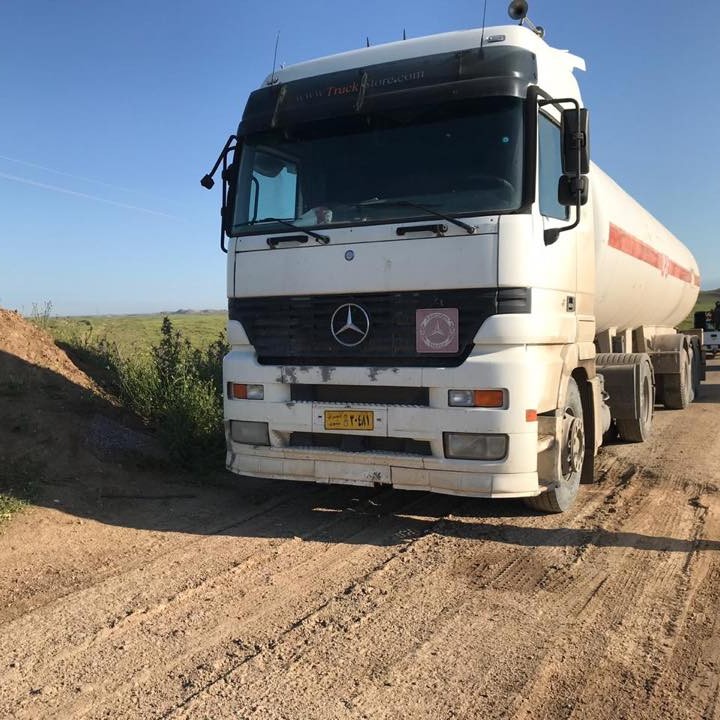
- Oil transportation: Shipments have already commenced, with oil being transported by truck to Baniyas for export to European and African markets.
Syria is simultaneously expanding its port infrastructure and preparing additional offloading facilities to handle the increasing volume of shipments. This development marks a significant shift in regional energy logistics.
Regional Trend in Energy Export Diversification
This initiative represents part of a broader trend emerging across the Middle East. During the Hormuz disruption, Saudi Arabia relied on its East-West pipeline. The United Arab Emirates (UAE) continues with plans to expand export capacity beyond Hormuz. Iraq is also exploring various alternative routes through both Syria and Turkey, demonstrating a comprehensive approach to energy security.
Current Market Dynamics
Throughout the region, energy producers are investing in alternative solutions rather than assuming Hormuz will remain perpetually available. Recent events have done little to bolster confidence in this critical waterway's stability. Although markets initially celebrated the reopening of Hormuz, practical realities have quickly intervened.
Negotiations scheduled for Friday in Switzerland were postponed before they even commenced, with Iran's Islamic Revolutionary Guard Corps (IRGC) warning vessels against entering the strait, citing Washington's violation of a newly signed agreement. Oil tanker operators remain hesitant to return to the world's most politically sensitive shipping route.
Regional Response to Geopolitical Risks
The result is an increasing regional focus on building robust contingency plans. Iraq, alongside its neighbors, is actively working to diversify export routes to ensure energy security amid current uncertainties. This strategic shift reflects a fundamental reassessment of energy transport dependencies in an increasingly volatile geopolitical environment.
The development of the Syrian export route not only addresses immediate logistical challenges but also represents a long-term strategic realignment. By establishing alternative pathways, Iraq is reducing its vulnerability to single-point failures in its supply chain, a lesson painfully reinforced by recent disruptions.
Strategic Implications for Global Energy Markets
The emergence of these alternative routes carries significant implications for global energy markets. The traditional dominance of Hormuz as the primary chokepoint for Middle Eastern exports is being challenged by a more diversified network of pipelines and terminals. This shift could potentially alter global oil pricing dynamics and shipping patterns over the long term.
Energy analysts note that while these alternative routes currently represent only a fraction of total exports, their strategic importance cannot be overstated. They provide critical flexibility in times of crisis and may gradually increase in significance as geopolitical tensions in the region persist.
Future Outlook
Looking ahead, it appears that Middle Eastern oil producers will continue to invest in infrastructure that reduces dependency on Hormuz. This could accelerate the development of additional pipelines, expanded port facilities in the Eastern Mediterranean, and enhanced land-based transportation networks. The region's energy landscape is evolving toward greater resilience and diversification.
| Country | Crude Oil Exports (barrels/day) | Primary Pipeline | Alternative Solution |
|---|---|---|---|
| Iraq | 3.6 million | Hormuz | Syria (Baniyas) |
| Saudi Arabia | 9.5 million | Hormuz | East-West Pipeline |
| UAE | 3.3 million | Hormuz | Expanded capacity outside Hormuz |
As geopolitical tensions continue to shape the energy landscape, the strategic diversification of export routes represents a pragmatic response to an increasingly uncertain environment. Iraq's commitment to the Syrian export route, even after Hormuz's reopening, signals a permanent shift in regional energy strategy—one that prioritizes security and resilience over traditional logistical conveniences.
This article was written by Julianne Geiger for Oilprice.com.