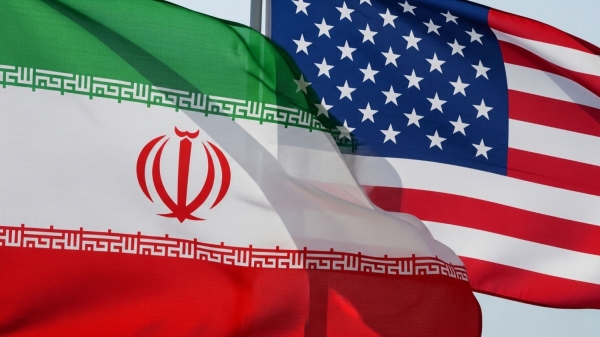
Detailed Analysis of the 14-Point Peace Plan Between the US and Iran
Memorandum of Understanding (MOU) between the US and Iran to expand the current ceasefire and restore maritime activities through the Strait of Hormuz
In a significant historical turning point, the United States and Iran have reached an agreement on a 14-point peace plan, designed to reduce regional tensions and ensure critical maritime security through the Strait of Hormuz. This agreement has been formalized through a Memorandum of Understanding (MOU) that expands the current ceasefire and restores safe maritime operations.
Background of Regional Tensions
The Strait of Hormuz, a strategic waterway where approximately one-fifth of the world's oil is transported, has become a hotspot of tension in recent years between the US and Iran. Naval confrontations, vessel seizures, and military escalation actions have disrupted commercial activities and threatened global energy security.
The crisis escalated to its peak in 2019 when Iran shot down a US drone and subsequently attacked Saudi oil facilities, causing global oil markets to fluctuate. Since then, diplomatic efforts have been made to ease tensions, but negotiations have encountered numerous difficulties.
Details of the Memorandum of Understanding (MOU)
The MOU was signed last week in Geneva, Switzerland, after months of indirect negotiations mediated by Iraq. The agreement focuses on establishing direct communication channels between the naval forces of the US and Iran to prevent accidental conflicts and ensure the safety of commercial vessels.
The MOU also includes confidence-building measures, including:
- Prior notification of major military exercises
- Establishment of temporary no-fly zones during military operations
- Establishment of a direct hotline between naval commanders of both countries
- Allowing international observers to monitor the implementation of the agreement
The 14 Points of the Peace Plan
The 14-point peace plan is more detailed than the MOU and includes broader commitments from both sides. Below are the key points in the plan:
| No. | Main Content |
|---|---|
| 1 | Comprehensive ceasefire and cessation of all direct hostile actions |
| 2 | Establish continuous communication channels between the military forces of both countries |
| 3 | Mutual respect for sovereignty and territorial integrity |
| 4 | Non-interference in each other's internal affairs |
| 5 | Ensure free and safe maritime navigation through the Strait of Hormuz |
| 6 | Implement confidence-building measures, including prior notification of military exercises |
| 7 | Allow commercial vessels to operate safely without harassment |
| 8 | Establish bilateral dispute resolution mechanisms |
| 9 | Cooperation in combating terrorism and transnational crime |
| 10 | Humanitarian assistance in emergency situations |
| 11 | Promote broader political dialogue |
| 12 | Monitoring of agreement implementation by a neutral third party |
| 13 | Commitment not to develop nuclear weapons |
| 14 | Create conditions for negotiations on Iran's nuclear program |
Significance for Global Energy Security
The Strait of Hormuz is the world's most important waterway, where approximately 20-30% of global oil is transported daily. Any disruption to this route could cause significant oil price fluctuations and impact the global economy.
According to experts, stabilizing the situation in the Strait of Hormuz could help:
- Reduce global oil price volatility
- Ensure energy security for major oil-importing countries like China, Japan, India, and South Korea
- Enhance regional stability and reduce the risk of larger conflicts
- Create favorable conditions for international trade
Reactions from Stakeholders
United States: Speaking at a press conference, US Secretary of State Antony Blinken described the agreement as a "significant step forward" in reducing tensions and ensuring maritime security. He emphasized that the US remains committed to preventing Iran from developing nuclear weapons but is open to dialogue to achieve this goal.
Iran: Iranian Foreign Minister Hossein Amir-Abdollahian called the agreement a "diplomatic victory" for Iran, stating that it recognizes Iran's right to develop a peaceful nuclear program and ensure its own security. He also expressed hope that this would be the first step toward lifting economic sanctions.
International Community: The United Nations and European countries, including France, Germany, and the UK, have all welcomed the agreement. UN Secretary-General António Guterres called on both sides to "maintain their commitment and build further trust" to ensure the effective implementation of the agreement.
Expert Analysis
Experts have different views on the prospects of this peace plan. Some are optimistic, calling it a significant breakthrough after years of tension. Others are skeptical about the long-term feasibility of the agreement, especially given the tense political situations in both countries.
However, most experts agree that any effort to reduce tensions and prevent conflict is beneficial, particularly when it involves a strategic waterway like the Strait of Hormuz.
Impact on Energy Markets
Immediately after the announcement of the agreement, global oil prices decreased slightly. Market analysts predict that if the situation continues to stabilize, oil prices may fall further in the short term, but the long-term impact will depend on how effectively both parties fulfill their commitments.
The table below shows the fluctuation in oil prices after the announcement of the agreement:
| Time | Oil Type | Price (USD/barrel) | Fluctuation (%) |
|---|---|---|---|
| Before announcement | Brent crude | 82.50 | - |
| After announcement | Brent crude | 81.20 | -1.58% |
| Before announcement | WTI crude | 78.90 | - |
| After announcement | WTI crude | 77.65 | -1.58% |
Future of US-Iran Relations
The 14-point peace plan could be the beginning of a longer dialogue process between the US and Iran. However, many challenges remain, including Iran's nuclear program, economic sanctions, and Iran's involvement in regional conflicts.
Both countries have interests in improving relations. The US could mitigate conflict risks and focus on other priorities, while Iran hopes to gradually lift economic sanctions and reintegrate with the international community.
Conclusion
The 14-point peace plan between the US and Iran, embodied in the Memorandum of Understanding, marks a significant step in reducing regional tensions and ensuring maritime security through the Strait of Hormuz. Although many challenges remain, this agreement offers hope for a more stable Middle East and less volatile global energy markets.
The success of this plan will depend on the goodwill and persistence of both parties in fulfilling their commitments. If maintained, it could pave the way for broader negotiations on deeper issues, including Iran's nuclear program and Iran's role in the Middle East.