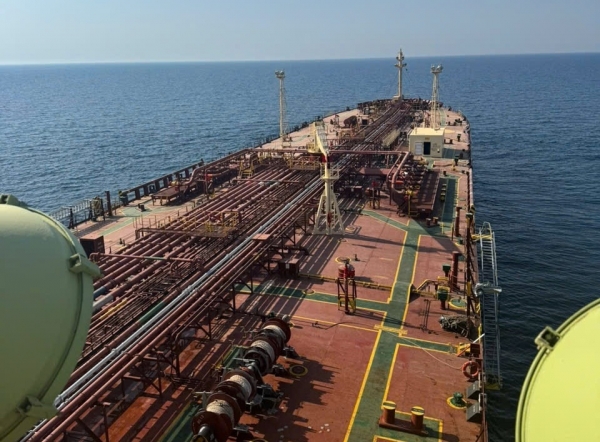
A 100-Day Journey Through the Strait of Hormuz: The PVT Valencia Ordeal
On June 15, as international news reports began discussing the possibility of a preliminary ceasefire agreement between the United States and Iran in the Strait of Hormuz, it seemed that normal maritime trade might soon resume. For outsiders, this news might have been just another geopolitical update. However, for the 22 crew members aboard the PVT Valencia and for the operators at PVTrans OFS Maritime Services Company under PVTrans Petroleum Transportation Joint Stock Company, it represented the culmination of a 100-day journey filled with tension and unprecedented challenges.
The Strategic Importance of the Strait of Hormuz
The Strait of Hormuz stands as one of the world's most critical maritime chokepoints, serving as a vital artery for global energy supplies. Approximately 20% of the world's crude oil and significant amounts of liquefied natural gas pass through this narrow waterway daily, making it an indispensable component of international energy security. The strait's strategic significance has only amplified in recent months as geopolitical tensions in the region have escalated.
The rising tensions between the United States and Iran have transformed the waters of the strait into a high-risk environment for maritime operations. Commercial vessels, particularly oil tankers, have increasingly become potential targets in the geopolitical standoff between these two powers. This situation has created what maritime security experts describe as "the world's most dangerous waterway," where commercial shipping must navigate complex political minefields while ensuring the safety of crew and cargo.
The PVT Valencia: A Test of Endurance in Hostile Waters
Against this backdrop of heightened geopolitical tensions, the PVT Valencia, a Vietnamese-flagged oil tanker, found itself operating in one of the world's most volatile maritime environments. The vessel, with its 22-member multinational crew, endured 100 days of extreme tension while transiting through the unstable waters of the Strait of Hormuz.
The crew faced numerous challenges, from critical shortages of food and fresh water to the psychological strain of living under constant uncertainty. They maintained heightened vigilance, continuously monitoring geopolitical developments and preparing for potential emergency scenarios. The crew's resilience became evident as they adapted to rapidly changing circumstances while maintaining the vessel's operational integrity and ensuring the safety of all aboard.
PVTrans's Crisis Management in a Complex Geopolitical Landscape
As Vietnam's leading petroleum transportation company, PVTrans confronted significant challenges when deploying operations in this sensitive region. The company established an extraordinary command and control system specifically designed to support the PVT Valencia during its extended transit through high-risk waters.
The PVTrans OFS operational division implemented a 24/7 monitoring protocol, maintaining constant surveillance of the vessel's position and the surrounding security situation. This specialized team made real-time decisions to ensure the safety of both crew members and company assets. The company's maritime and maritime security experts conducted continuous analysis of the evolving situation, providing critical recommendations to the vessel's leadership. This comprehensive approach demonstrated PVTrans's commitment to maintaining operational excellence even in the most challenging circumstances.
| PVT Valencia: Vessel Overview | |
|---|---|
| Vessel Name | PVT Valencia |
| Crew Size | 22 personnel |
| Duration in Hormuz | 100 days |
| Vessel Type | Oil tanker |
| Management Organization | PVTrans OFS |
| Flag State | Vietnam |
| Primary Trade Route | Middle East to Asia |
Operational Challenges and Threats
Throughout the 100-day operation in the volatile region, the PVT Valencia and its crew confronted numerous challenges that tested their professional capabilities and personal resilience:
- Maritime Security Threats: The constant risk of potential boarding attempts, interception, or seizure by state or non-state actors in the increasingly tense maritime environment.
- Supply Chain Disruptions: Difficulties in securing regular provisions of fuel, fresh water, food, and essential spare parts due to heightened security measures and logistical constraints.
- Psychological Stress: The mental burden of living under constant threat, with crew members experiencing anxiety, sleep disturbances, and uncertainty about their return timeline.
- Extreme Weather Conditions: Navigating through challenging meteorological conditions that further complicated an already hazardous transit.
- Communication Limitations: Restricted ability to maintain consistent contact with family members and shore-based support due to security protocols and signal interference.
- Navigational Complexities: Adapting to rapidly changing maritime traffic patterns and implementing evasive maneuvers in response to developing security situations.
Strategic Solutions Implemented
In response to these multifaceted challenges, PVTrans implemented a comprehensive crisis management approach that combined operational flexibility, strategic planning, and crew support mechanisms:
- Comprehensive Crisis Response Plan: Development and implementation of detailed contingency protocols covering various emergency scenarios, including vessel seizure, medical emergencies, and security breaches.
- Enhanced Diplomatic Channels: Establishment of direct communication lines with Vietnamese diplomatic missions and relevant international maritime authorities to facilitate rapid intervention if needed.
- Strategic Resource Management: Implementation of rigorous inventory control and conservation measures to extend the operational endurance of critical supplies.
- Specialized Security Training: Conducting intensive maritime security drills and training sessions for crew members, focusing on defensive measures and emergency response procedures.
- Psychological Support Systems: Establishment of regular communication schedules with shore-based mental health professionals to provide remote counseling and support services.
- Alternative Routing Strategies: Development of contingency navigation plans that could be activated based on the evolving security situation in the region.
Global Implications and Industry Response
The situation surrounding the PVT Valencia highlighted broader vulnerabilities in global energy transportation networks. The incident underscored how regional geopolitical conflicts can rapidly impact international supply chains, potentially causing significant economic disruptions worldwide. Energy analysts noted that prolonged closure of the Strait of Hormuz could trigger global oil price spikes and supply shortages, affecting everything from transportation costs to consumer prices.
The international maritime community has responded to these heightened risks by developing enhanced security protocols and industry-wide cooperation frameworks. Shipping companies operating in high-risk areas have increasingly invested in private security measures while simultaneously strengthening relationships with naval forces and international maritime security organizations. These developments reflect the growing recognition that maritime security has become an essential component of global economic stability.
The Human Element: Crew Experiences and Resilience
Beyond the technical and operational aspects, the 100-day ordeal of the PVT Valencia crew represents a profound human story of resilience and professional dedication. The crew members demonstrated remarkable adaptability as they navigated the physical and psychological challenges of their extended mission. Their experiences reveal the often-unseen human cost of maintaining global energy transportation systems.
Crew members reported developing extraordinary camaraderie and mutual support systems during their extended deployment. The shared experience of facing uncertainty together forged bonds that transcended cultural differences and professional hierarchies. Many crew members described a heightened sense of purpose, recognizing their critical role in maintaining global energy supplies during a period of international tension.
Future Outlook and Industry Preparedness
The potential ceasefire agreement between the United States and Iran regarding the Strait of Hormuz offers hope for normalized maritime operations in the region. However, maritime industry experts caution that the underlying geopolitical tensions remain unresolved, necessitating continued vigilance and preparedness.
The experience of the PVT Valencia has provided valuable insights for the maritime industry regarding crisis management in high-risk environments. Shipping companies are increasingly investing in comprehensive risk assessment frameworks, enhanced crew training programs, and advanced communication systems designed to improve operational resilience in volatile regions.
For PVTrans and its crew members, the 100-day journey through the Strait of Hormuz has become a defining experience that exemplifies the company's commitment to safety, operational excellence, and crew welfare. The ordeal has strengthened the organization's crisis management capabilities while highlighting the extraordinary dedication of maritime professionals who ensure the smooth functioning of global energy transportation networks.
As maritime operations continue to evolve in an increasingly complex geopolitical landscape, the lessons learned from the PVT Valencia experience will undoubtedly contribute to enhanced safety protocols and operational strategies for the entire industry. The story of these 22 crew members serves as a testament to human resilience and the critical importance of maritime professionals in maintaining global energy security.