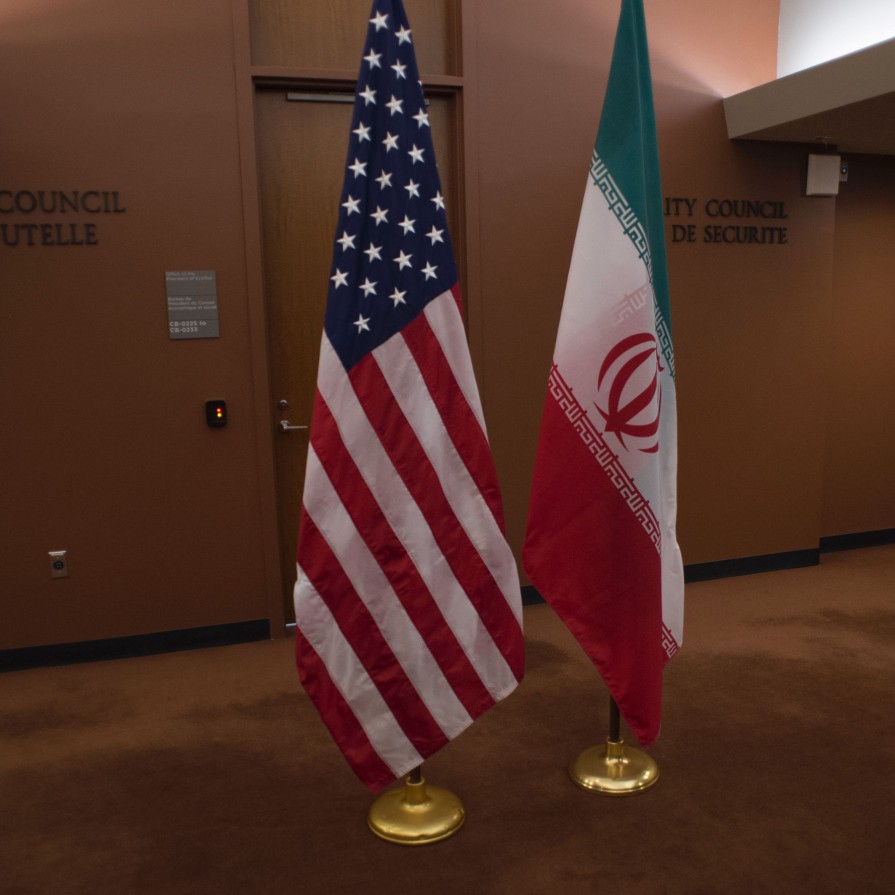
Iran-US Ceasefire Agreement: The Oil Deal Behind the Hormuz Crisis
Today's development can best be described as a 60-day ceasefire extension, reportedly signed by both parties, aimed at reopening the Strait of Hormuz, while the nuclear weapons issue—the purported original cause of the conflict—remains on the negotiating table. Both sides are buying time for oil to flow through Hormuz. Therefore, today's agreement is, first and foremost, an oil deal. It is not a victory for anyone. It merely brings things back to the circle before the conflict began, with much lost and nothing gained in national interest.
Agreement Details
The framework for this widely publicized agreement is expected to be officially signed in Switzerland on Friday, at which point Hormuz will reopen and the US Navy will release Iranian ports. What exactly will be signed on Friday remains largely a mystery. Much of the reported agreement remains confidential, and the rest seems open to interpretation.
| Element | Agreement Content |
|---|---|
| Duration | 60-day ceasefire extension |
| Signing Location | Switzerland |
| Main Action | Reopening of the Strait of Hormuz |
| Nuclear Issue | Still on the negotiating table |
The Issue of Frozen Iranian Assets
One of the first major disagreements has emerged over frozen Iranian assets, and a politically complex issue in both Washington and Tehran media. Iranian media and officials have announced that the framework provides access to $24 billion in frozen Iranian assets during the 60-day implementation period, with $12 billion becoming available before negotiations begin.
If this is true, then the Trump administration is abandoning one of their key demands—not releasing assets without a nuclear deal. Currently, the Trump administration is pushing back against that narrative, with Vice President JD Vance saying on Monday that reports of billions in frozen Iranian assets being "released" are "not true." At the same time, Vance acknowledged that discussions about frozen assets could still occur.
Tehran needs this news to be widely publicized, and Trump needs it silent, and rocking that boat could potentially jeopardize the agreement signing on Friday.
The Biggest Question About Oil Remains Unanswered
Will Iranian oil exports eventually be restored? Not today, and not on Friday either, if we go by statements from Trump and Vance, both of whom have publicly pushed back against reports that sanctions relief is part of the agreement.
On Monday ET afternoon, Trump made it clear that any future sanctions relief would be contingent on Iranian behavior and compliance, not granted immediately as part of a Memorandum of Understanding (MoU). Trump also stated that the agreement text would be made public "soon."
| Time Period | Iranian Oil Export Status |
|---|---|
| Pre-war | Over 1 million barrels/day, mainly to China |
| During blockade | Severely disrupted flows |
| Post-agreement | No immediate sanctions relief |
| Projected | Many months to fully restore |
On the other hand, Tehran is describing the agreement as the beginning of Iran's reintegration into global markets. Before the conflict, Iran exported over one million barrels of oil daily, primarily to China. The US blockade disrupted those flows and cut off a major revenue source for Tehran.
Even if sanctions were lifted today, Iranian oil barrels wouldn't immediately reappear like a flood. Buyers need to return, shipping and insurance arrangements need to be normalized, financial channels need to be reopened, and refiners need time to integrate Iranian crude. It's a process that will take many months.
Reopening Hormuz Doesn't Immediately Restore Energy Flows
The same across the Gulf. Reopening Hormuz doesn't immediately restore energy flows to pre-war levels. After three months of disruption, hundreds of vessels are backed up inside and outside the Gulf, and regional producers have reduced output, delayed shipments, and altered export schedules to adapt to the Hormuz crisis.
Shipping companies, insurance firms, and energy traders are also waiting to see what "reopening" actually means in practice. This is an industry that will be the last to blindly follow media headlines.
Mine-sweeping operations are expected to continue after the Friday signing, but insurance companies are wary of reducing war risk premiums until shipping lanes are established as safe and commercial trade returns to consistency. That consistency will still come at a premium.
According to analysts cited by AP, energy flows through Hormuz may not return to about 80% of pre-war levels until September, while full normalization could take even longer. In other words, closing Hormuz was much easier than opening it.
The Lebanon Issue
The biggest real question remains Lebanon. Iranian officials, Pakistani mediators, and Hezbollah view the agreement as including an end to Israeli military operations in Lebanon. In reality, just hours before the agreement was announced, Israeli aircraft had struck targets in Beirut. Israeli Defense Minister Israel Katz subsequently declared that Israel would not withdraw from territory it currently controls in southern Lebanon.
Washington and Tehran may have reached an understanding on Hormuz, sanctions negotiations, and the 60-day ceasefire, but neither Israel nor Hezbollah were parties to those negotiations. The agreement is fragile, and if fighting reignites in Lebanon, it could disappear before the agreement is signed. That puts the ball in Israel's court.
At the end of Monday, Israeli Prime Minister Benjamin Netanyahu affirmed that Israeli forces will remain in Lebanon as well as Gaza and Syria "in the long term," reiterating that Tel Aviv is not bound by the Iran-US agreement and has no obligation to withdraw from Lebanon.
Conclusion
The Iran-US ceasefire agreement can be seen as primarily an oil deal, with both sides seeking to restore oil flow through the Strait of Hormuz. Despite strong statements from both Tehran and Washington, this agreement represents no victory for anyone, but simply returns things to the state before the conflict began. With numerous unresolved issues, from frozen assets to the situation in Lebanon, the agreement remains fragile and its future uncertain.