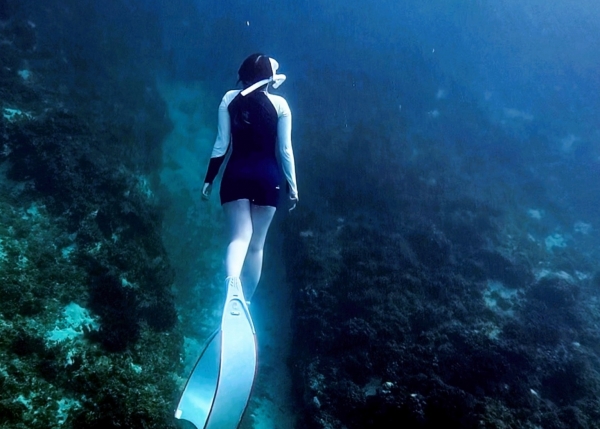
Reshaping Coastal Livelihoods: The Freediving Revolution on Phú Quý Island
Nestled in the vast expanse of the ocean, Phú Quý Island emerges not merely as a picturesque haven for photographers and tranquility seekers, but as a burgeoning epicenter for a revolutionary tourism approach centered around freediving. This small yet beautiful island is pioneering a sustainable economic model that leverages its natural marine resources while preserving local cultural heritage through the art of breath-hold diving.
The Art and Science of Freediving
Freediving transcends conventional boundaries of aquatic activities, emerging as both an extreme sport and meditative art form that allows participants to explore the ocean's depths without respiratory equipment. On Phú Quý, this discipline has evolved beyond mere recreation to become an integral component of the island's tourism identity. The practice requires not just physical prowess but also mental discipline and deep respect for marine environments—qualities that align perfectly with the island's conservation ethos.
The waters surrounding Phú Quý offer ideal conditions for freediving enthusiasts of all levels. With excellent visibility, moderate currents, and diverse marine ecosystems, the island provides a natural classroom where both novices and experienced divers can develop their skills under the guidance of local experts.
Custodians of Marine Culture
Perhaps the most compelling aspect of Phú Quý's freediving phenomenon is the active role played by local fishermen and community members. These traditional sea custodians have seamlessly transitioned their generations-old knowledge of marine environments into guided diving experiences that offer authentic cultural immersion.
These local guides do more than simply escort tourists through underwater excursions. They serve as living repositories of maritime heritage, sharing intimate knowledge of local marine species, traditional fishing techniques, and ancestral stories that have shaped the island's relationship with the sea for centuries. This cultural transmission occurs organically as divers explore underwater landscapes, creating a symbiotic relationship between tourism preservation and cultural continuity.
Economic Transformation Through Marine Tourism
The integration of freediving into Phú Quý's tourism landscape represents a strategic economic diversification effort. As traditional fishing faces increasing pressures from overexploitation and climate change, the island's residents have identified sustainable alternatives that leverage their inherent relationship with the marine environment.
Freediving tourism has created multiple income streams beyond direct guiding services. Local entrepreneurs have established supporting businesses including equipment rental, specialized training programs, photography services, and complementary hospitality offerings. This economic ecosystem has reduced dependency on single-resource industries while providing year-round employment opportunities that weren't previously available.
Moreover, the nature of freediving tourism encourages longer visitor stays and higher spending compared to conventional beach tourism. Diving enthusiasts typically invest more in accommodations, dining, and related services, creating a multiplier effect that benefits the entire local economy.
The Competitive Advantages of Phú Quý's Freediving Industry
| Competitive Advantage | Description |
|---|---|
| Exceptional Natural Conditions | Crystal clear waters, pristine white sand beaches, and diverse coral reef formations create ideal diving conditions year-round. |
| Authentic Cultural Integration | Unlike manufactured tourist experiences, diving excursions incorporate genuine local knowledge and maritime traditions. |
| Sustainable Development Model | The industry prioritizes marine conservation while generating economic benefits, creating a virtuous cycle of preservation and prosperity. |
| Community-Based Tourism | Revenue directly benefits local residents, ensuring tourism development remains inclusive and culturally appropriate. |
Environmental and Cultural Preservation
Paradoxically, the very tourism activity that drives economic growth on Phú Quý also serves as a powerful conservation mechanism. Freediving operators have become frontline advocates for marine protection, implementing sustainable practices that minimize environmental impact while educating visitors about ecological responsibility.
The economic incentives provided by freediving tourism have motivated local communities to actively participate in conservation efforts. Artificial reef projects, marine protected area monitoring, and sustainable fishing practices have all gained traction as residents recognize the direct correlation between environmental health and tourism viability.
Culturally, the freediving phenomenon has revitalized traditional maritime knowledge that might otherwise have been lost to younger generations. Young islanders now find value and pride in their ancestors' seafaring wisdom, creating intergenerational knowledge transfer that strengthens cultural identity.
Future Trajectories and Development Potential
The success of freediving tourism on Phú Quý suggests multiple pathways for future development. International certification programs could position the island as a premier freediving training destination, attracting enthusiasts from across the globe. Specialized tourism packages combining freediving with cultural immersion experiences could further differentiate the island from other marine destinations.
Technological integration offers additional possibilities. Underwater photography and videography workshops, marine conservation research partnerships, and digital storytelling initiatives could all enhance the visitor experience while contributing to scientific understanding and conservation efforts.
As climate change continues to threaten coastal communities worldwide, Phú Quý's model of leveraging local knowledge and natural resources for sustainable tourism offers valuable insights. The island demonstrates how small communities can adapt to changing economic landscapes while preserving cultural heritage and environmental integrity.
Conclusion: A Blueprint for Coastal Sustainability
Phú Quý Island exemplifies how innovation in tourism can simultaneously address economic, cultural, and environmental challenges. The freediving revolution here has transformed not just livelihoods but also community relationships with their marine environment, creating a sustainable future that honors both tradition and progress.
As other coastal communities seek viable alternatives to traditional industries, Phú Quý offers compelling proof of concept. The island's journey demonstrates that with proper planning, community engagement, and respect for natural and cultural assets, marine tourism can thrive as a force for positive transformation.
The story of Phú Quý's freediving phenomenon continues to unfold, with each dive session writing new chapters in this remarkable tale of resilience, innovation, and harmonious coexistence between humans and the ocean. As the world increasingly seeks sustainable development models, this small island's big ambitions may well illuminate the path forward for coastal communities worldwide.