Wind Power vs. Mineral Resources: Vietnam's Strategic Planning Balances Renewable Energy and Natural Resources in Lam Dong Province
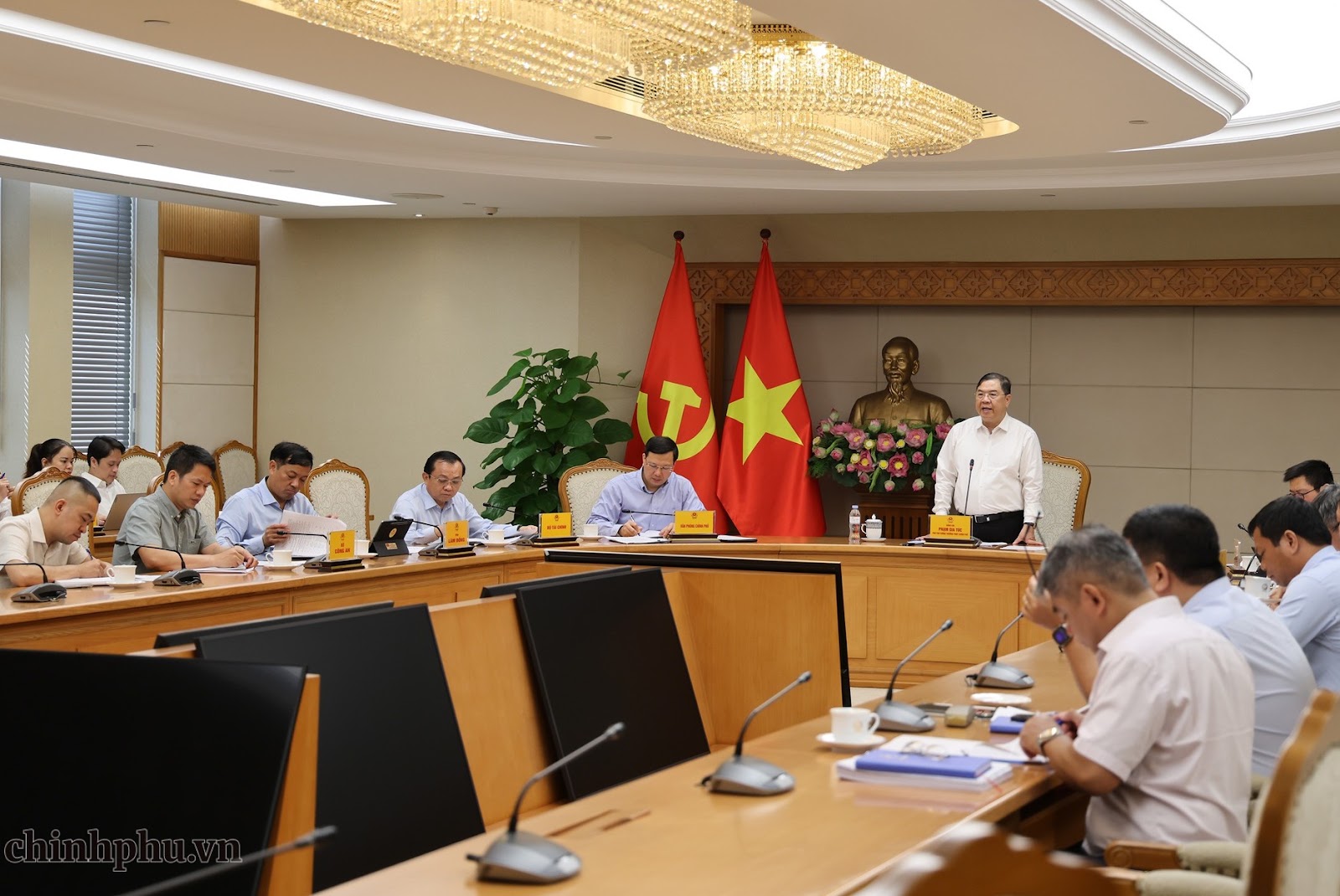
In a significant development reflecting Vietnam's commitment to sustainable development, Deputy Prime Minister Pham Gia Tuc has issued crucial directives regarding the management of wind power projects in Lam Dong province, particularly those overlapping with mineral resource planning zones. This decision marks a critical juncture in Vietnam's energy transition and natural resource management strategies, addressing conflicts between two vital economic sectors.
Understanding the Conflict: Renewable Energy vs. Mineral Resources
Lam Dong province, located in Vietnam's Central Highlands, has emerged as a prime location for both wind energy development and mineral extraction. The province's unique geography offers significant wind energy potential while simultaneously hosting valuable mineral resources essential for industrial development. This convergence has created planning conflicts that require careful resolution to ensure sustainable development.
The tension between these sectors represents a microcosm of broader challenges Vietnam faces as it pursues ambitious renewable energy targets while maintaining its industrial growth trajectory. Wind power projects, crucial for Vietnam's carbon reduction commitments, often require extensive land areas for turbines, infrastructure, and transmission lines—areas that may overlap with designated mineral exploration zones.
Deputy Prime Minister's Strategic Directives
Deputy Prime Minister Pham Gia Tuc's instructions represent a comprehensive approach to resolving these conflicts. The directives emphasize the need for urgent completion of administrative procedures to submit to the Prime Minister for approval the adjusted planning for mineral resource exploration, exploitation, processing, and use for the 2021-2030 period, with a vision extending to 2050.
These instructions underscore several key priorities:
- Ensuring coordinated development between renewable energy and mineral resource sectors
- Maintaining environmental protection standards in all development activities
- Optimizing the use of national resources for maximum economic benefit
- Establishing clear legal frameworks to prevent and resolve conflicts
Planning Framework and Timeline
The mineral resource planning adjustment follows a structured approach with specific milestones and objectives:
| Planning Component | Implementation Period | Long-term Vision | Key Objectives |
|---|---|---|---|
| Mineral Resource Exploration, Exploitation, Processing and Use | 2021-2030 | Until 2050 | Sustainable resource management, conflict resolution, economic optimization |
Technical and Environmental Considerations
The resolution of conflicts between wind power and mineral resource planning requires careful consideration of technical and environmental factors. Wind power projects typically require specific terrain characteristics and wind patterns, while mineral extraction operations have different spatial requirements and environmental considerations.
Environmental impact assessments for both sectors must be conducted thoroughly to identify potential conflicts and mitigation measures. These assessments should consider:
- Land use compatibility and spatial requirements
- Ecological impacts and biodiversity conservation
- Visual and cultural landscape preservation
- Water resource management and quality
- Climate resilience and adaptation measures
Economic Implications and Development Opportunities
The strategic resolution of these conflicts presents significant economic opportunities for Lam Dong province and Vietnam as a whole. A well-coordinated approach can maximize the economic benefits of both sectors while minimizing conflicts and redundancies.
| Sector | Economic Potential | Employment Impact | Contribution to National Goals |
|---|---|---|---|
| Wind Power | Renewable energy generation, technology transfer, carbon credits | Construction, maintenance, operations, research and development | Carbon reduction, energy security, sustainable development |
| Mineral Resources | Raw materials for industry, export revenue, industrial development | Extraction, processing, logistics, technology innovation | Industrialization, economic growth, infrastructure development |
Implementation Challenges and Solutions
The successful implementation of the Deputy Prime Minister's directives faces several challenges that must be addressed:
- Coordination Mechanisms: Establishing effective inter-agency coordination between ministries and provincial authorities
- Stakeholder Engagement: Ensuring meaningful participation from local communities, businesses, and environmental groups
- Legal Framework: Updating regulations to address conflicts between different land use designations
- Technical Integration: Developing methodologies to assess and minimize spatial conflicts between projects
- Monitoring Systems: Implementing robust monitoring and evaluation systems to track implementation progress
International Best Practices and Lessons Learned
Vietnam can draw valuable lessons from international experiences in managing similar conflicts between renewable energy development and natural resource extraction. Countries like Germany, Denmark, and Australia have developed sophisticated approaches to land use planning that accommodate multiple development objectives while minimizing conflicts.
Key international practices that could inform Vietnam's approach include:
- Zoning systems that designate specific areas for particular development types
- Phased development approaches that allow for sequential development of different resources
- Benefit-sharing mechanisms that ensure local communities receive equitable returns from multiple development activities
- Integrated planning frameworks that consider cumulative impacts of multiple development activities
Future Outlook and Strategic Importance
The resolution of conflicts between wind power and mineral resource planning in Lam Dong province represents a critical test of Vietnam's commitment to sustainable development. The successful implementation of the Deputy Prime Minister's directives could serve as a model for managing similar conflicts throughout Vietnam and other developing nations.
As Vietnam pursues its ambitious climate commitments and development goals, the integration of renewable energy and natural resource planning will become increasingly important. The experience gained in Lam Dong province will provide valuable insights for developing more sophisticated planning frameworks that can accommodate multiple development objectives while ensuring environmental sustainability.
Conclusion: Toward a Sustainable Development Model
The directives issued by Deputy Prime Minister Pham Gia Tuc reflect a strategic approach to resolving conflicts between wind power development and mineral resource planning in Lam Dong province. By prioritizing coordinated development, environmental protection, and optimal resource utilization, these directives aim to create a sustainable development model that balances economic growth with environmental stewardship.
The implementation of these directives will require significant coordination among various government agencies, private sector stakeholders, and local communities. However, the potential benefits—including optimized resource use, reduced environmental impacts, and enhanced economic development—make this effort crucial for Vietnam's sustainable development trajectory.
As Vietnam continues its transition to a green economy, the resolution of conflicts between different development sectors will become increasingly important. The experience gained in Lam Dong province will provide valuable lessons for managing similar conflicts throughout the country and supporting Vietnam's broader development goals.