Iran and the US: The dilemma between political tension and technological pressure
Tehran announced it had paused retaliatory attacks on US allies in the Middle East, as Washington stopped attacking Iran for the second night in a row. However, tensions continue with escalating threats from Tehran, while Washington faces challenges in technology and weapons supplies.
Temporary ceasefire and political context
According to a senior military official in Tehran, Iran paused its retaliatory attacks when the US did not launch an attack on the night of July 26. This silence comes two days before an important meeting in Washington between President Donald Trump and Israeli Prime Minister Benjamin Netanyahu.
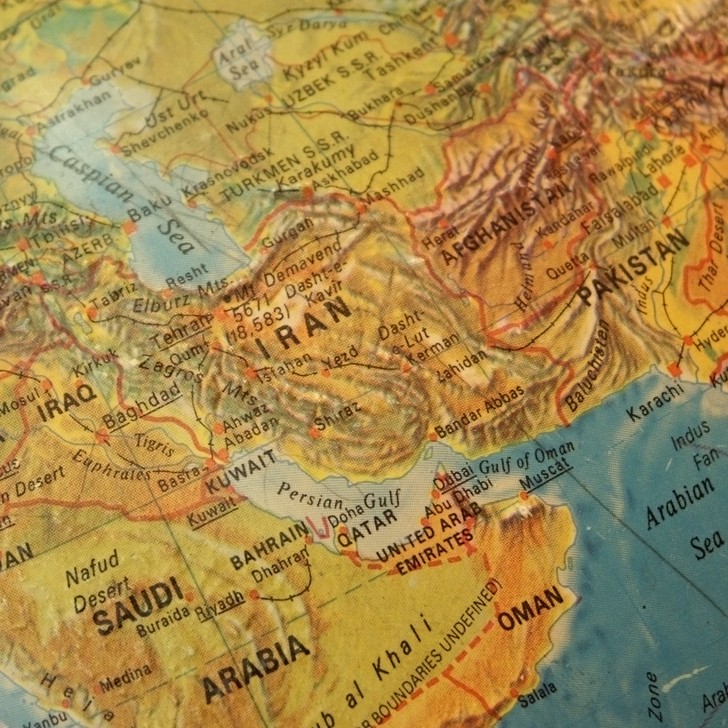
The meeting took place on July 28, exactly five months since the US and Israel launched a widespread air campaign against Iranian targets. In response, Iran attacked US allies in the Middle East and essentially closed the Strait of Hormuz - a narrow waterway through which large amounts of oil and gas pass on their way to global markets.
Technological factors and weapons supply
The silence in US attacks is a result of the decision to let peace talks take place, according to Mike Waltz, US ambassador to the United Nations. However, according to The New York Times, this slowdown is also partly driven by the running out of US interceptor reserves to shoot down Iranian missiles, which is causing concern for US military planners.
Vice President JD Vance and General Dan Caine, Chairman of the Joint Chiefs of Staff, both expressed concerns about escalation during a meeting at the White House. US administration officials insisted the force remained well equipped, but Waltz seemed to suggest that some arsenals had been depleted, in part due to the US supplying weapons to Ukraine in its war against Russia.
| Technology challenge | Impact |
|---|---|
| Missile interceptor exhaustion | Limited defense against missile attacks |
| War in Ukraine | Exhausting weapon supplies for other fronts |
| Conflict with the Houthis | Allocating military resources to many fronts |
Impact on sea routes and transportation technology
Iran blocked six ships attempting to pass through the Strait of Hormuz in the previous 24 hours, according to Iranian state television on July 26. Tehran said it had made progress in negotiations with Oman - which borders the narrowest part of the strait - on "general principles and operating mechanisms" for maritime transport.
Oman and Iran said they would discuss introducing service fees, a move Washington opposes. This is a notable move because the Strait of Hormuz is a vital waterway for global oil and gas shipping, and its closure could have serious economic consequences.
Reaction from stakeholders
Iran's military spokesman on July 26 warned that the war would expand further if the US chose to restart attacks. "These attacks continued until two nights ago, but in the last two nights the Americans stopped attacking," military spokesman Mohammad Akraminia was quoted as saying by Iran's Mehr news agency.
At the White House on July 26, Trump said he had not decided whether to return to full operations or not. He also said that Iran faces a choice between a deal and attacks at a "much higher level".
Challenge for America
- Reduce the supply of missile interceptors
- Allocating military resources to many fronts
- Pressure from American voters about the unpopularity of war with Iran
- Tensions with allies in the Middle East
In addition to concerns about weapons supplies, growing concern among American voters may also be affecting the White House's war plans. Polls show a war with Iran is widely unpopular, which could become a major problem for Trump's Republican Party in November's congressional elections.
Yemen's Houthi rebels said they shot down a drone launched by US ally Saudi Arabia - in a series of small confrontations that have raised fears that the conflict with Iran could widen further across the region.
In recent days, the Houthis also claimed to have attacked Saudi Arabia's oil facilities, suggesting a potential escalation in the regional conflict.
Conclude
The tension between Iran and the US is not only a political issue but is also closely related to technological and military factors. The depletion of US weapons supplies, especially missile interceptor systems, is creating significant challenges for US defense capabilities. At the same time, Iran's control of important sea routes such as the Strait of Hormuz also poses global security and economic problems.
A lull in attacks could be an opportunity for negotiations, but with threats escalating from both sides, the situation remains fragile. Military-industrial and logistical factors will continue to play an important role in shaping the course of this conflict.