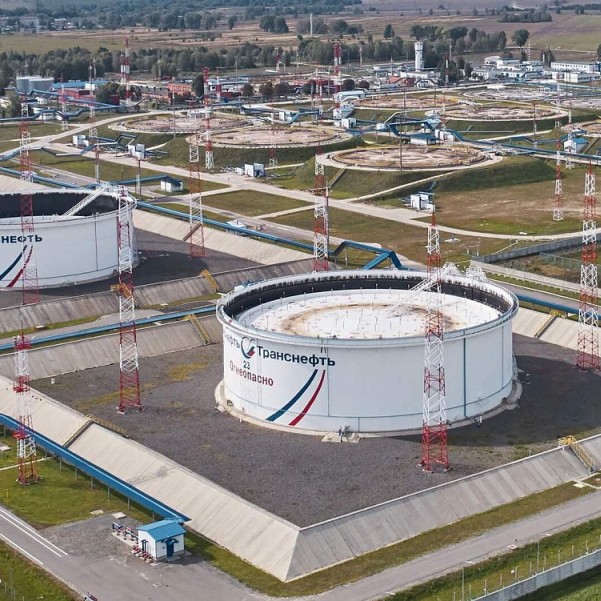
Black Sea Oil Terminal Paralyzed by Drone Attack Amidst Geopolitical Tensions
The Sheskharis oil terminal in Novorossiysk, Russia—one of the most critical oil export facilities in the Black Sea—has been brought to a complete halt following a drone attack, occurring just days after a neighboring terminal operated by the Caspian Pipeline Consortium (CPC) was similarly disabled. This dual disruption has effectively choked off a major artery for global crude oil transportation, sending ripples through an already tense energy market.
Major Export Facility Silent Amidst Growing Security Concerns
The Sheskharis terminal, which has ceased loading crude oil onto tankers since July 21, represents a significant blow to global oil supply chains. According to information reported by Bloomberg, this facility had been exporting an average of approximately 650,000 barrels per day during the first half of 2024. The sudden halt in operations comes at a particularly vulnerable time for global energy markets, as geopolitical tensions continue to threaten multiple critical export routes.
Located in the vital port city of Novorossiysk, the Sheskharis terminal serves as a crucial gateway for Russian oil exports to international markets. Its temporary paralysis eliminates a substantial portion of Russia's export capacity, exacerbating existing market tensions that have been building throughout 2024.
Compounding Disruptions at CPC Terminal
The timing of this attack is particularly concerning as it follows closely on the heels of another significant incident at the CPC terminal. The CPC facility, which typically processes over 80% of Kazakhstan's oil exports, represents approximately 2% of global oil supply. The proximity of these two critical facilities—mere miles apart—creates a concentrated vulnerability in the Black Sea's oil export infrastructure.
The impact of these disruptions is already being felt upstream in Kazakhstan. The Central Asian nation has been forced to reduce its oil production this week following the halt in loading operations at CPC. Notably, production at Chevron's massive Tengiz field has reportedly been cut by more than half, as storage facilities have reached capacity and producers have been compelled to reduce pipeline flows.
| Parameter | Sheskharis Terminal | CPC Terminal |
|---|---|---|
| Average Export Volume | 650,000 barrels/day | 1.5 million barrels/day |
| Market Share of Global Supply | Not specified | Approximately 2% |
| Impact on Kazakhstan | Indirect | Direct (80% of exports) |
| Primary Function | Russian crude export | Kazakh crude export |
| Current Status | Non-operational since July 21 | Disabled by drone attack |
Escalation of Drone Warfare Strategy
These attacks represent an evolution in Ukraine's drone warfare strategy, which has expanded beyond targeting refineries and storage facilities to include commercial vessels and critical export infrastructure in both the Black Sea and Azov Sea. The deliberate targeting of energy export terminals suggests a calculated effort to disrupt Russia's revenue streams while simultaneously creating global market volatility.
In response to these growing threats, Russia has issued warnings that commercial shipping in its Black Sea economic zone can no longer be considered safe due to the dual threats from aerial and maritime drones. This warning effectively creates a no-go zone for international shipping in a region that has historically been a critical corridor for global energy trade.
The continued inability of these terminals to operate would eliminate another major export point from a market already strained by multiple supply disruptions. Global markets are progressively running out of regions capable of absorbing such significant supply shocks without substantial price increases.
Market Reacts with Sharp Price Increases
Global oil prices have responded swiftly to these developments, with Brent crude climbing above $100 per barrel this week. This price surge comes amid multiple geopolitical flashpoints, including tensions around the Strait of Hormuz and Houthi attacks in the Red Sea, all of which threaten oil exports from the Gulf region. The Black Sea disruptions now represent another source of lost barrels rather than a potential source of alternative supply.
Unlike earlier in the year when strategic reserves still provided a buffer against supply disruptions, the current market finds itself in a more vulnerable position. Strategic petroleum reserves have been drawn down for months, commercial inventories have significantly decreased, and refining margins remain elevated as diesel supply remains constrained.
Broader Implications for Energy Security
The convergence of drone attacks, geopolitical tensions, and constrained supply options creates an increasingly complex picture for global energy markets. The Black Sea, which has traditionally served as a stable corridor for Russian and Caspian oil exports, has now become a focal point of energy security concerns.
Kazakhstan, heavily dependent on the CPC pipeline for its oil exports, faces immediate economic challenges as production cuts at fields like Tengiz translate directly into reduced government revenue. The country's economy, already facing various pressures, now confronts the prospect of prolonged disruption to its primary oil export route.
For global markets, these disruptions highlight the interconnected nature of energy infrastructure and the vulnerability of concentrated export chokepoints. The simultaneous impairment of two major terminals in close proximity demonstrates how regional conflicts can have immediate and far-reaching consequences for global energy security.
Future Outlook
As the situation in the Black Sea continues to evolve, market participants are closely monitoring both the physical condition of these terminals and the broader geopolitical landscape. The duration of these outages remains uncertain, with recovery efforts likely complicated by ongoing security concerns and the potential for further attacks.
In the longer term, these events may accelerate efforts to diversify export routes and enhance the security of energy infrastructure. However, in the immediate term, markets must navigate a period of heightened uncertainty with limited spare capacity and depleted strategic reserves.
The convergence of multiple supply threats—from the Black Sea to the Red Sea to the Strait of Hormuz—creates a perfect storm for global oil markets. As summer progresses, energy consumers and producers alike face the prospect of sustained high prices and increased volatility, with the potential for broader economic consequences if these disruptions persist.
The situation underscores the delicate balance of global energy security and how regional conflicts can rapidly escalate into global market crises. As drone technology continues to evolve and proliferate, energy infrastructure may face new and previously unanticipated vulnerabilities that will require innovative security approaches and diversified supply strategies.
Keywords: #OilMarket #BlackSea #Russia #Ukraine #EnergySecurity #GlobalTrade #Geopolitics #DroneWarfare #EnergyInfrastructure