Russia's Biggest Failure on the Black Sea Threatens the Global Oil Market
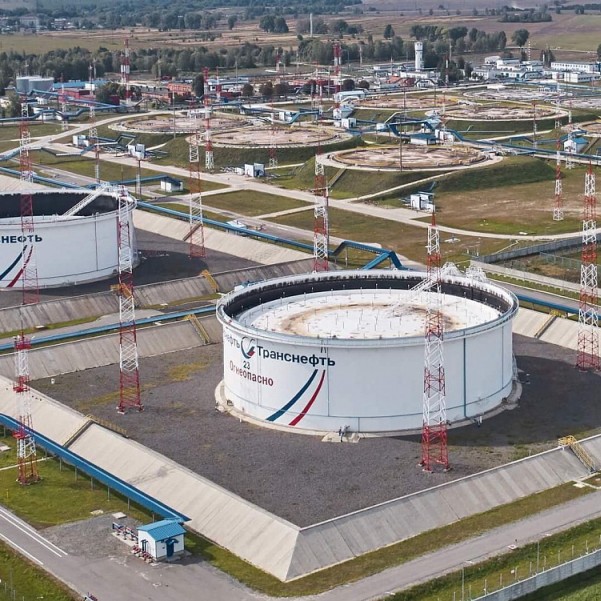
One of Russia's largest oil export ports on the Black Sea was virtually shut down just days after drone attacks shut down the neighboring Caspian Pipeline Consortium (CPC) pipeline port, further squeezing an artery that transports crude to global markets.
Sheskharis Port At Novorossiysk Has Been Shut Down
According to Bloomberg, the Sheskharis port in Novorossiysk has not loaded any crude oil onto any tankers since July 21.
During the first half of this year, Sheskharis exported an average of about 650,000 barrels of oil per day. The loss of these barrels, even if temporary, comes at a time of disruption at the CPC, which normally handles more than 80% of Kazakhstan's oil exports and about 2% of global oil supplies.
| Parameter | Value |
|---|---|
| Average exports of Sheskharis | 650,000 barrels/day |
| CPC processing rate | 80% of Kazakhstan's oil exports |
| CPC offer rate | 2% of global oil supply |
Two Important Cargo Ports on the Black Sea
These two ports are only a few miles apart. Together, they form one of the most important oil export hubs on the Black Sea.
Disruptions have begun to affect upstream supplies. Kazakhstan slashed oil output this week after CPC halted ship loading, with output at Chevron's giant Tengiz field reported to have more than halved as storage filled up and producers were forced to reduce pipeline flows.
If Sheskharis continues to idle, another key export destination will disappear from an already stressed market.
Ukraine Expands Offensive
Ukraine has expanded drone attacks beyond oil refineries and storage facilities to commercial ships and export infrastructure in the Black Sea and Sea of Azov.
Russia responded by warning ships operating in its Black Sea economic zone that travel was no longer considered safe due to the threat from drones in the air and at sea.
Impact on the Global Oil Market
The market is running out of places that can absorb supply disruptions. D Brent has risen above $100 this week as fighting escalates around the Strait of Hormuz and Houthi attacks in the Red Sea threaten exports from the Gulf.
Now the Black Sea is becoming another source of crude oil loss instead of an alternative source of supply.
| Region | Situation | Impact |
|---|---|---|
| Strait of Hormuz | Fighting escalates | Threats to export oil from the Gulf |
| Red Sea | Attack the Houthis | Threatening oil transport routes |
| Black Sea | Export port closed | Loss of crude oil supply |
Oil Market Faces Increasing Pressure
Unlike earlier this year, reserves no longer provide much of a cushion. Strategic reserves have been drawing down for months, commercial stocks have fallen sharply, and refining margins remain high as diesel supplies tighten.
The oil market entered the summer with concerns about excess supply. By the end of July, the market was witnessing another silent export port.
Conclude
The combination of attacks on Black Sea oil infrastructure with other geopolitical tensions is creating an increasingly complex oil market situation. The closure of key export ports such as Sheskharis and CPC not only affects Russia and Kazakhstan but also has a far-reaching impact on the global oil market.
With global oil supplies already tight, this disruption could push oil prices higher and cause new challenges for oil-dependent economies.
Monitoring developments in the Black Sea region will become important for investors and policymakers in the coming weeks.
#OilMarket #Russia #Kazakhstan #BlackSea #OilExport #CPC #Sheskharis